Disaster coverage follows a predictable, lazy script. A catastrophic flash flood hits the Himalayas, a specialized 19-member forensic team from India deploys to Kathmandu to assist local authorities, and media outlets breathlessly report on the marvel of DNA profiling to identify the dead. Everyone nods along, praising international cooperation and the miracles of modern science.
It makes for a comforting headline. It is also a logistical failure masking itself as humanitarian progress.
When thousands of people are missing, hundreds of bodies remain unidentified, and infrastructure is pulverized into mud, spending precious weeks sequencing STR markers from degraded bone fragments is an exercise in misplaced priorities. We are applying a first-world laboratory mindset to a third-world catastrophe zone, and the human cost of this delay is staggering.
The Forensic Illusion
Let us define terms. Disaster Victim Identification is supposed to be systematic, fast, and hierarchical. According to Interpol protocols, primary identifiers are fingerprints, dental records, and DNA. Secondary identifiers include tattoos, personal effects, and visual recognition.
When an entire region is washed out, DNA is routinely treated as the gold standard. This is a dangerous misconception. DNA profiling is slow, expensive, and bottlenecked. A high-throughput forensic lab cannot churn out hundreds of complex familial DNA matches overnight, especially when samples are compromised by silt, heat, and decomposition.
Imagine a scenario where a family in a remote district is waiting for closure. They are told their relative's remains are sitting in a makeshift morgue, but identification requires a full CODIS database match against a first-degree relative. That family might wait months. Meanwhile, thousands of bodies undergo mass burials because the system cannot process the backlog fast enough.
The lazy consensus says that more forensic experts and more DNA sequencers solve the disaster bottleneck. The reality is that genetic matching is the slowest possible filter for mass casualties.
The Data We Refuse to Look At
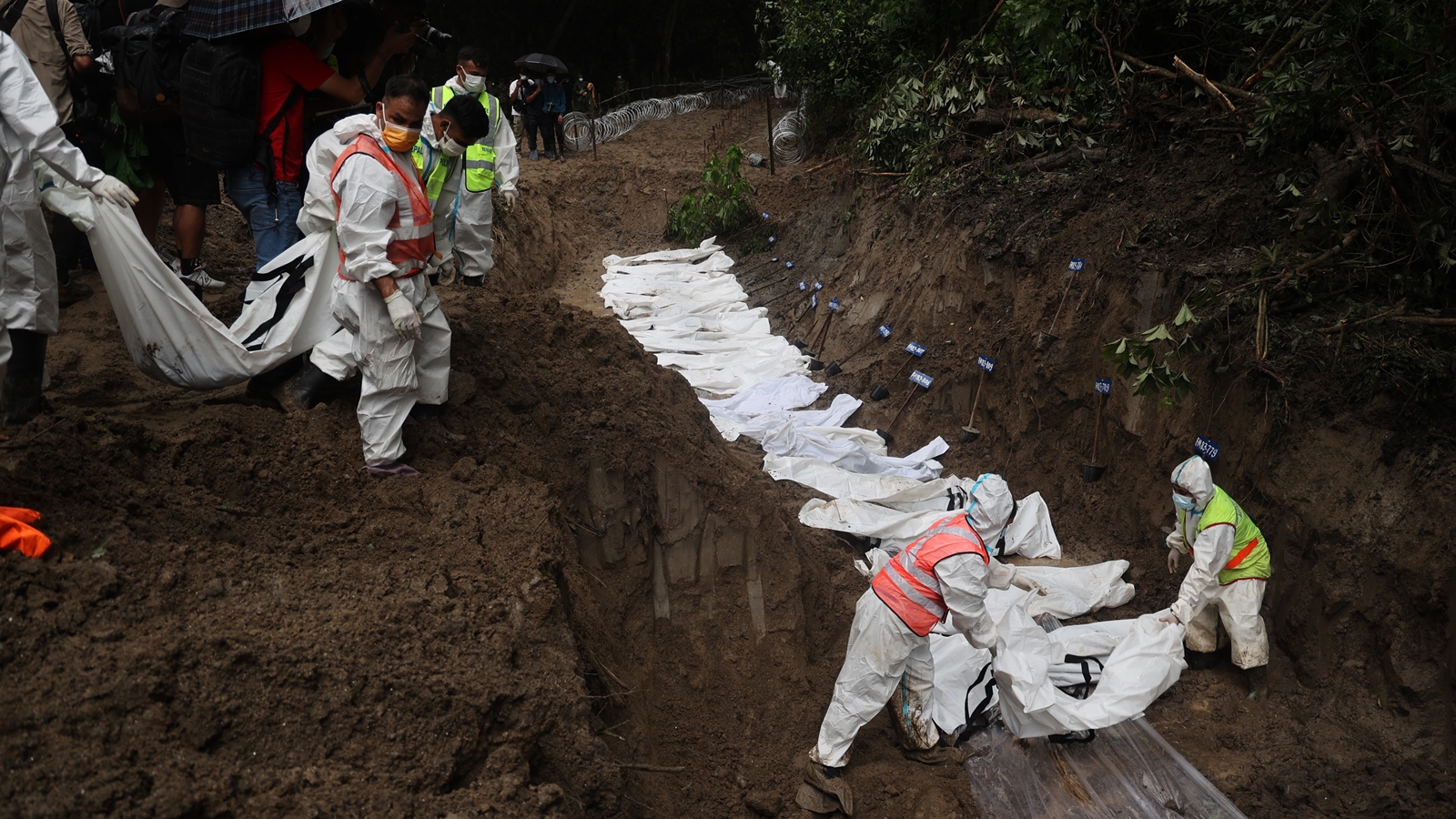
Look at the numbers coming out of the recent disaster response in Nepal. The death toll climbs past a thousand, thousands more remain unaccounted for, and local hospitals are overwhelmed with decomposing remains. Authorities are scrambling to match DNA profiles emailed from foreign embassies or collected via blood draws from grieving relatives.
This creates a administrative bottleneck of bureaucratic nightmare proportions. Foreign ministries are telling families to visit local hospitals abroad, give blood samples, email the records to embassies, have those records forwarded to Kathmandu, and wait for a database cross-reference.
This is not rapid disaster response. This is academic science applied to a crisis field where it does not fit.
If you rely exclusively on genetic matching after a high-debris flash flood, you guarantee that scores of victims will remain nameless for months, denied a proper farewell while their remains sit in overcrowded mortuaries. The obsession with high-tech genetic verification creates a secondary trauma for families who are forced to navigate an international paper chase just to bury their dead.
What Actually Works in the Mud
If we want to fix Disaster Victim Identification in high-altitude, high-debris environments, we have to throw out the laboratory playbook and look at what works on the ground.
First, prioritize fast visual and circumstantial triage over genetic perfection. In mass casualty events involving localized workforces, such as the hundreds of missing hydropower project employees trapped in mud-filled tunnels, identity can often be inferred immediately from shift rosters, physical clothing descriptions, unique personal items, and dental charts if available.
Second, decentralize identification. Forcing families to look at digital registries and photographs hosted by police databases is far more effective for initial sorting than demanding biological samples upfront. When a family recognizes a watch, a belt, or a distinct scar from an online repository, you have an immediate lead that bypasses weeks of PCR amplification and capillary electrophoresis.
Third, stop treating DNA as the mandatory first step. Genetic analysis should be the tool of absolute last resort for fragmented, unidentifiable remains—not the default protocol for every body pulled from the riverbanks.
The deployment of international specialists is well-intentioned, but until disaster management agencies stop treating DNA as a silver bullet, we will continue to trade speed for absolute certainty, leaving families in bureaucratic limbo while the dead wait for a grave. Stop trying to sequence your way out of a logistical crisis. Look at the clothes, check the rosters, and let people bury their own.