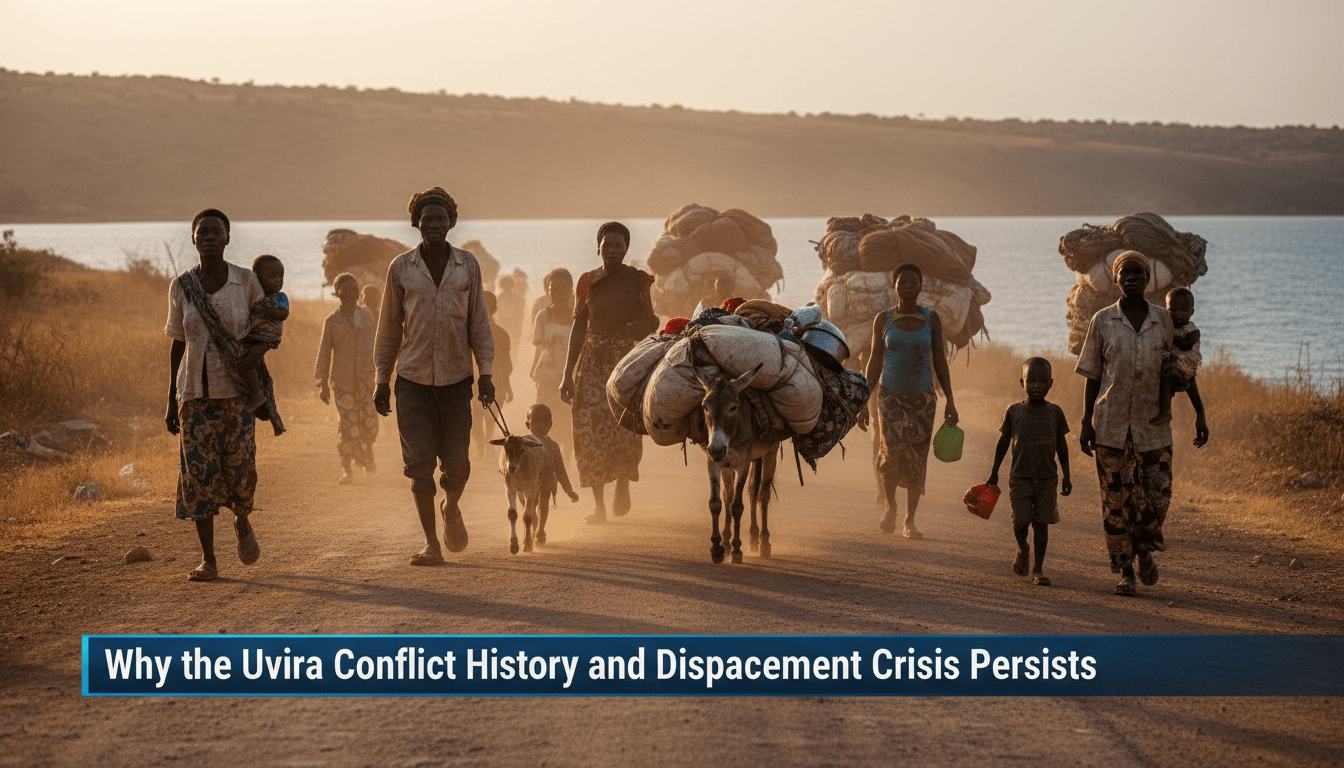
The numbers coming out of Yemen are staggering, yet they barely capture the raw human cost of the ongoing conflict. Recent updates from the United Nations and the International Organization for Migration confirm that displacement numbers have exploded, with over 330,000 people forced to flee their homes since August.
If you look past the cold statistics, you'll see a country fracturing under the weight of active fighting, shuttered supply roads, and collapsed health infrastructure. It's an unfolding catastrophe that rarely captures sustained international headlines, even as the humanitarian toll scales up daily.
The Epicenter of the Crisis
Ta'iz remains the hardest-hit governorate in the country, absorbing nearly 40 percent of the total recent displacement. The reality on the ground in Ta'iz city is brutal. Essential roads connecting the city to government-controlled territories are blocked or heavily restricted by active combat.
When supply routes are severed, everyday survival becomes an uphill battle. Commercial goods can't get in, clean water distribution relies on emergency trucking, and medical supplies dwindle. Waste collection has basically ground to a halt due to fuel shortages, turning urban neighborhoods into public health hazards.
People aren't just fleeing once; they're getting caught in chronic displacement loops. Families pack up whatever they can carry, move to a safer district, and months later, find themselves running from renewed fighting all over again.
Why Access Restrictions Are Choking Aid
Getting relief supplies to families in need is getting harder, not easier. Humanitarian agencies face constant bureaucratic roadblocks, active fighting along transport corridors, and severe funding gaps. When checkpoints close and roads shut down, aid workers have to watch supplies sit idle while communities run out of food and clean water.
Organizations like the UN Office for the Coordination of Humanitarian Affairs keep sounding alarms, but warning fatigue has set in globally. Donors are stretched thin across multiple simultaneous international crises. Meanwhile, local partners on the ground in places like Marib are scrambling to launch emergency health and vaccination campaigns—such as targeting over 125,000 children against preventable diseases—often with bare-minimum resources.
What Real Support Looks Like on the Ground
If you want to understand how aid organizations actually operate in these conditions, look at the logistics of emergency water trucking and makeshift shelter construction. Agencies are delivering tens of thousands of liters of drinking water daily just to keep families from dehydration in makeshift desert camps and crowded urban shelters.
Cash-assistance programs are another vital lifeline, allowing displaced families to buy food locally when markets are functional instead of waiting weeks for imported rations to clear checkpoints. But these interventions are stopgaps. They keep people alive for another week, another month, but they don't solve the structural breakdown of the region.
The international community needs to demand unimpeded humanitarian access, protect frontline aid workers, and step up funding before a localized displacement spike turns into a full-blown famine emergency. Keep an eye on local humanitarian reports rather than waiting for mainstream news cycles to catch up, because the situation on the ground shifts faster than the headlines indicate.


