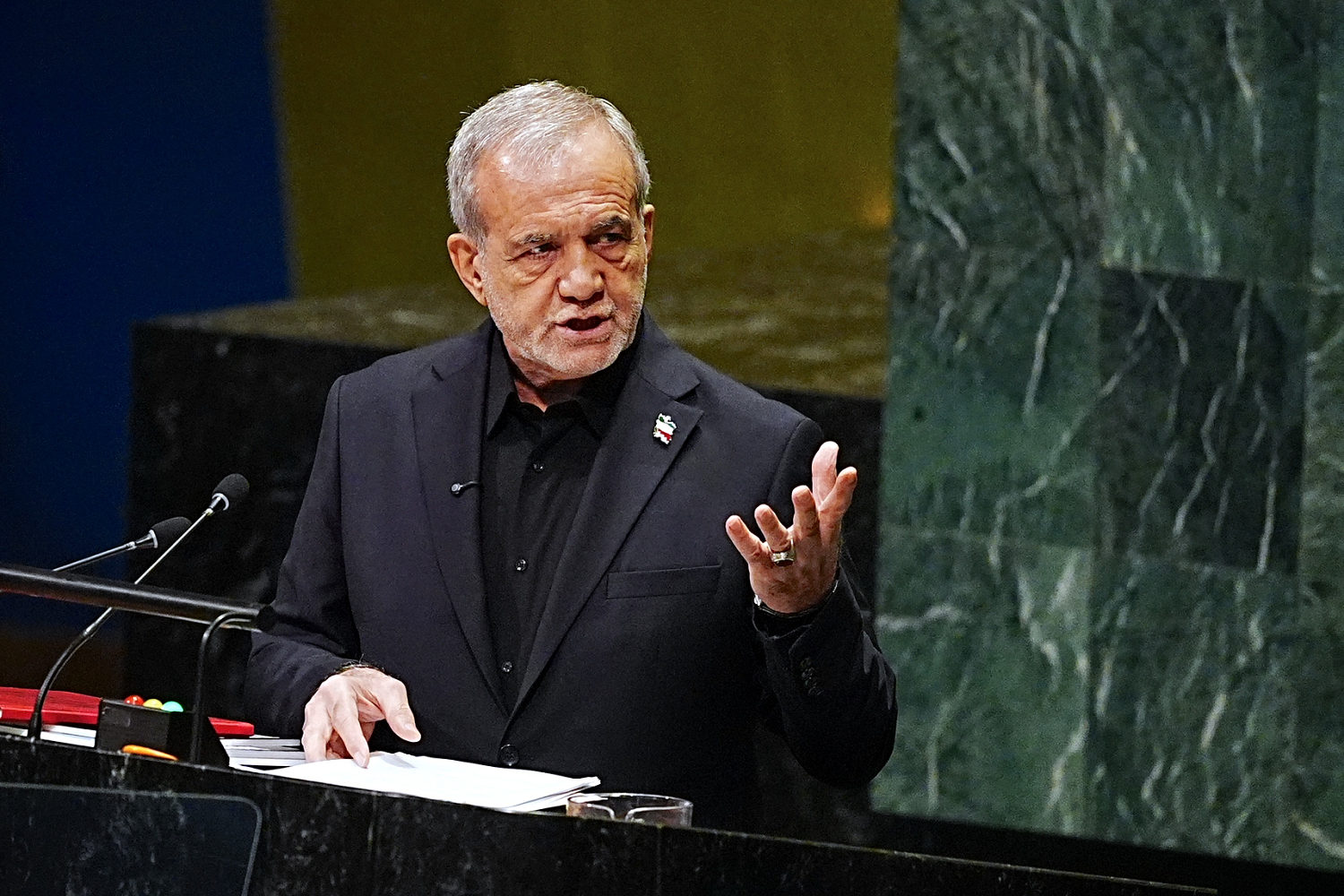
Headlines love a theatrical exit. When diplomats stand up en masse, fold their badges, and storm out of a United Nations assembly hall, the cameras flash, the pundits salivate, and Twitter builds a monument to moral courage.
Everyone treats the mass walkout as a high-stakes power move. The lazy consensus says that empty chairs inflict diplomatic damage, signal international isolation, and force authoritarian or controversial leaders back to the bargaining table.
It is complete nonsense.
Walkouts are not pressure tactics aimed abroad. They are safety valves built for home audiences. When a delegation abandons its seats during a contentious speech, they are performing resistance for the voters back home, trading actual diplomatic leverage for a cheap nightly news clip.
Let us look at the mechanics of international bodies. The General Assembly microphone does not stop broadcasting because a few dozen chairs empty out. The speaker keeps talking. The official record logs the speech word for word. Resolutions move forward based on weighted votes, not floor attendance. By walking out, protesting nations surrender their right to challenge assertions in real time, forfeit their chance to take the floor during rebuttal, and remove themselves from the room where actual, quiet compromises are brokered behind closed doors.
Real diplomacy happens in dusty antechambers, over cold coffee, and through whispered exchanges in the margins of plenary sessions. Grandstanding in front of television crews destroys that machinery. If your goal is to change policy, abandoning your post is the exact opposite of a strategy. It is a vacation from responsibility disguised as principle.
Consider the incentive structures at play. A domestic constituency demands visible opposition. If a foreign leader delivers an address that offends national sensibilities, politicians face immediate pressure to do something. Staging a dramatic exodus requires zero policy compromise, risks zero capital, and costs zero political currency. It satisfies the base without requiring the grueling, unglamorous work of building international coalitions or drafting enforceable sanctions.
This is the core fallacy of performative diplomacy. We mistake motion for progress. We confuse the optics of defiance with the mechanics of deterrence.
When you look past the flashing lights and examine voting records over the last three decades, you find a stark correlation. Nations that rely heavily on dramatic walkouts achieve fewer binding concessions than quiet, dogged delegations that stay in their seats, take meticulous notes, and systematically dismantle hostile arguments during formal debate.
The next time an assembly hall empties out mid-speech, do not ask what message was sent to the speaker. Ask how many votes were flipped by an empty chair. The answer is always zero.
Stop cheering for the theatrical exit. Start demanding the hard labor of staying in the room and winning the argument.