The leather of the briefcases carried into the State Department always looks the same. It is expensive, dark, and heavy. But the air inside the rooms where those briefcases are opened changes depending on the continent the documents traveled from. When a courier arrives from Islamabad, carrying papers that originated in Tehran, the air gets thick. It smells of midnight oil and high-stakes desperation.
Diplomacy is rarely about sudden, blinding breakthroughs. It is about a grueling, quiet process of passing notes in the dark while the rest of the world sleeps under the threat of escalation.
Pakistan has once again stepped into the role of the quiet intermediary. It delivered a fresh Iranian peace proposal to Washington. To the casual observer tracking the news cycle, this is a standard bureaucratic headline. A blip on a ticker. But if you look closer, past the dry terminology of international relations, you find a human story of three nations trapped in a dangerous dance, each looking for an exit ramp without losing face.
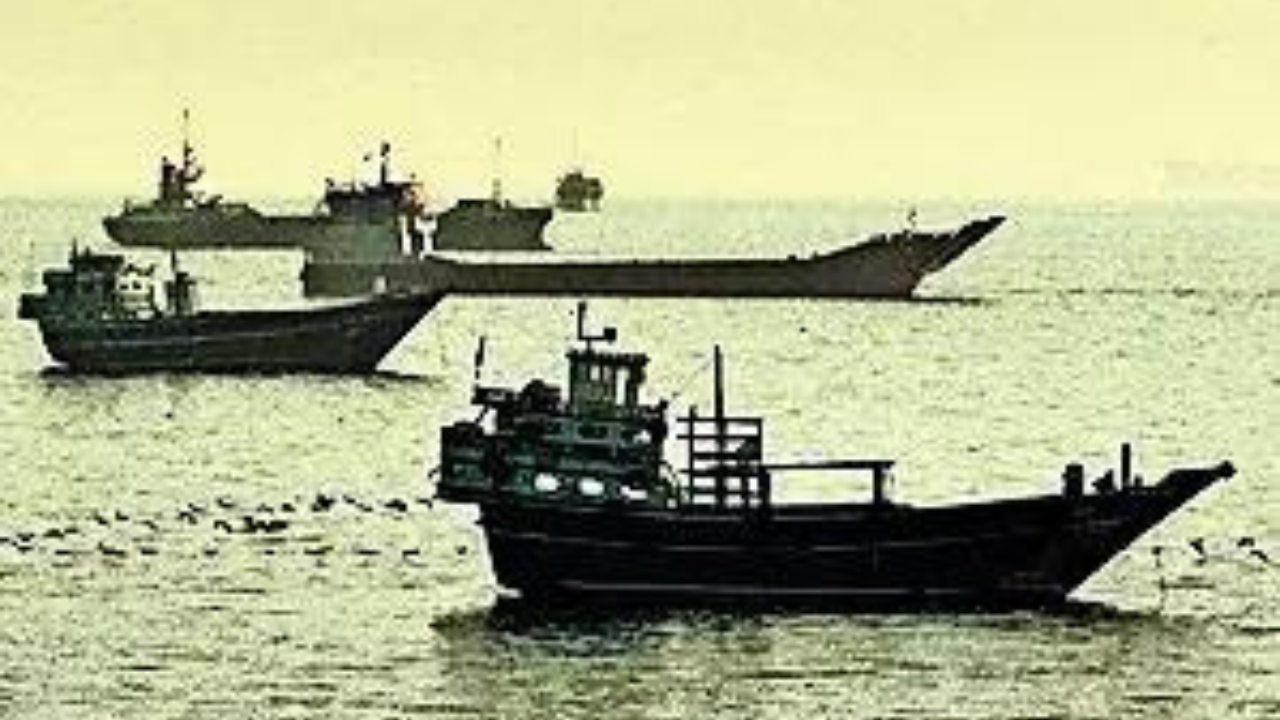
Imagine a back-channel diplomat sitting in a secure room in Islamabad. Let us call him Tariq. Tariq has not slept properly in four days. His phone rings at 2:00 AM. On the other end is a contact in Tehran, whispering details of a compromise on regional security that cannot be spoken aloud over standard lines. Tariq knows that if a single phrase is translated incorrectly, or if the tone strikes the American State Department as too aggressive, months of quiet signaling will evaporate. The stakes are not abstract geopolitical points. They are measured in the price of oil, the stability of borders, and the lives of sailors in the Persian Gulf.
This is the reality of the new Iranian proposal. It is a document forged in the shadows of intense economic pressure and regional volatility.
The Geometry of a Secret Message
For decades, the relationship between Washington and Tehran has resembled a broken mirror. Every attempt to look at each other results in a fractured, distorted image. Direct communication is a political landmine for both sides. An American president cannot easily be seen sitting down with Iranian leadership without facing intense domestic backlash. Similarly, the hardliners in Tehran view open capitulation to Western demands as a betrayal of their foundational ideology.
Enter Islamabad.
Pakistan occupies a unique, deeply complicated position on the global map. It shares a long, porous border with Iran, yet it remains a crucial, if often strained, strategic partner for the United States. This dual identity makes it the perfect postman. When Tehran wants to test the waters in Washington without committing to a public stance, it hands the envelope to Pakistan.
The mechanics of this delivery are fascinatingly archaic. In an era of instant encryption and satellite communication, the most sensitive diplomatic maneuvers still rely on physical delivery. Documents are printed on paper with specific watermarks. They are carried by hand. This ensures there is no digital footprint, no chance of a leak that could torpedo the talks before they even begin.
What does the envelope actually contain? While the specific clauses remain classified, the core of the proposal addresses the familiar, burning friction points that have kept the Middle East on a knife-edge. It touches on uranium enrichment thresholds, the easing of economic sanctions that have crippled the daily lives of ordinary Iranians, and guarantees regarding regional proxy forces.
But the text itself is only half the story. The timing is the real message.
The Cost of the Status Quo
To understand why this proposal matters right now, we have to look at the quiet desperation driving both sides to the table.
In Tehran, the economy is suffocating. The statistics are dry—inflation rates, currency devaluations, GDP contractions—but the human reality is vivid. Walk through the Grand Bazaar, and you see merchants staring at empty stalls, unable to import goods. Mothers struggle to find imported medicines for their children. The Iranian leadership knows that internal dissent grows louder when the kitchen table is bare. They need a deal not because they have suddenly developed a fondness for Western diplomacy, but because economic survival demands it.
In Washington, the calculation is different but equally urgent. The American foreign policy apparatus is stretched thin. Resources and attention are divided between Eastern Europe and the Taiwan Strait. The last thing any administration wants is another protracted, unpredictable conflict in the Middle East. A stable, predictable Iran—even one that remains an adversary—is infinitely preferable to a cornered, unpredictable Iran.
Yet, the path from a Pakistani courier bag to a signed agreement is treacherous.
Consider what happens next: the document arrives in Washington. It is dissected by analysts who have spent their entire careers studying Iranian political maneuvering. They look for hidden traps. They argue over the exact meaning of Persian verbs. One camp will view the proposal as a genuine sign of weakness and an opportunity to negotiate from a position of strength. Another camp will view it as a stalling tactic, a visual illusion designed to buy time while centrifuges spin in underground facilities.
This internal friction is present in every administration. It is a constant tug-of-war between the hawks who believe only maximum pressure yields results, and the pragmatists who know that pressure without an exit ramp leads inevitably to war.
The Invisible Intermediaries
We often think of history as being shaped by presidents and prime ministers making grand speeches at podiums. The truth is much more mundane, and much more human. History is shaped by the people whose names never appear in the newspapers.
It is shaped by the mid-level desk officers who stay up until dawn drafting memoranda. It is shaped by the translators who must find the exact English equivalent for a nuanced Persian concept of honor. It is shaped by the Pakistani diplomats who must walk a tightrope, ensuring they do not alienate their powerful Western ally while maintaining the trust of their immediate neighbor.
This role of the intermediary is a thankless one. If the initiative succeeds, the leaders of the major powers take the credit. If it fails, the intermediary is often blamed for poor communication or accused of playing both sides.
The current proposal faces an uphill battle. The political climate in Washington is deeply polarized, and any move that looks like a concession to Tehran will be weaponized in the next election cycle. Across the ocean, Iranian hardliners are waiting for the American response, ready to declare that the West can never be trusted if the document is rejected out of hand.
But the mere existence of the proposal proves that the channels are alive. It proves that despite the rhetoric, the threats, and the public posturing, there is a shared recognition that the alternative to diplomacy is too catastrophic to contemplate.
The heavy leather briefcase has been opened. The papers are on the desk. The air in the room is tense, filled with the quiet, agonizing calculation of what must be given up to gain a fragile peace. The world waits to see if Washington will write back.