The Hunger Gap is a Lie
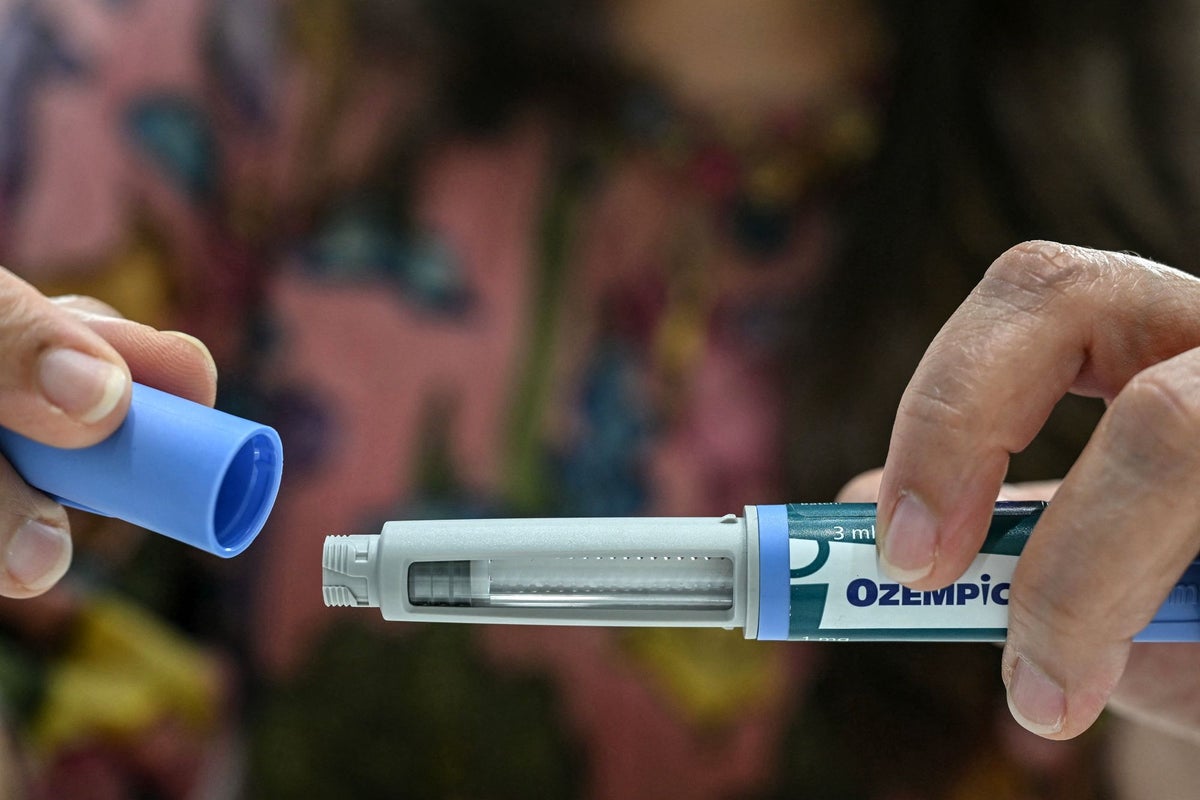
The narrative is everywhere. You’ve seen the headlines claiming that GLP-1 agonists—the Ozempics and Wegovys of the world—are "revolutionizing" the food industry by forcing legacy brands to pivot or perish. The latest victim of this lazy analysis is the story of an iconic Los Angeles hot sauce brand supposedly "selling" its secret recipe because patrons have lost their appetite.
It is a comforting fable. It suggests a world where a syringe can solve the obesity crisis while forcing a Darwinian evolution of the pantry. If you found value in this post, you should read: this related article.
It is also total nonsense.
Hot sauce does not care about your appetite suppression. If anything, the rise of GLP-1s should be a golden era for the condiment industry. When your stomach is a fortress and your interest in a 1,200-calorie burrito has evaporated, the only way to make your 400-calorie bowl of steamed chicken and quinoa palatable is through high-intensity, low-calorie flavor. For another angle on this event, check out the recent update from Reuters Business.
The real story isn't about drugs killing a brand. It’s about a brand using a medical trend as a convenient smoke screen for a failure to scale, a mess of family litigation, or a simple cash-out. Selling a "secret recipe" isn't a pivot; it’s an admission that the founders can no longer compete in a market that has outgrown them.
The Chemistry of Misunderstanding
To understand why the "GLP-1s are killing flavor" argument falls apart, you have to look at the pharmacology. GLP-1 (glucagon-like peptide-1) targets the brain’s reward centers and slows gastric emptying. It makes you feel full. It dulls the "food noise."
But it does not kill the tongue.
- Fact: Capsaicin—the active heat component in hot sauce—is a thermogenic.
- Fact: Hot sauce, in its purest form (vinegar, peppers, salt), has a negligible caloric footprint.
- Fact: The metabolic rate of someone on a GLP-1 is often the primary concern for clinicians.
I’ve spent a decade watching food startups burn through venture capital because they misunderstood their own "moat." If you are a hot sauce company and your sales are dipping, it’s not because the city of Los Angeles stopped being hungry. It’s because your distribution is stagnant, your price point is inflated, or your "secret recipe" isn't actually that special in a world of Small-Batch Artisanal burnout.
We are seeing a massive "Correlation does not equal Causation" error. Just because 12% of the US population might soon be on these drugs doesn't mean they've stopped eating. They've stopped overeating. There is a massive, profitable difference between the two.
The Pivot to "Healthy" is a Death Trap
When these legacy brands see their numbers dip and blame the new medical reality, their first instinct is to "healthify" the brand. They strip out the salt. They add "functional" ingredients like ashwagandha or collagen.
This is a strategic suicide mission.
In the food business, you sell one of two things: fuel or pleasure. Hot sauce is pure pleasure. It is a sensory spike. By trying to market a recipe as "GLP-1 friendly," you are essentially telling your customers that your product is a medicinal necessity rather than a culinary joy.
I once consulted for a beverage brand that tried to pivot from "Bold Flavor" to "Low-Glycemic Alternative" the moment the sugar tax debates heated up. They lost their core demographic in six months and failed to capture the health-conscious crowd because the health crowd already had water.
You don't win by chasing the drug-using demographic with specialized products. You win by doubling down on the fact that your product provides the intensity they can no longer get from volume.
The Los Angeles Mythos
Los Angeles is the epicenter of this delusion. It is a city that treats every new FDA approval like a religious revelation. The "iconic" status of a brand in LA is often just a reflection of its proximity to the right influencers, not the quality of its supply chain.
When a brand sells its secret recipe, it is often because the cost of labor and real estate in California has made the physical production of that recipe an impossibility. Attributing the sale to a shift in consumer appetite caused by Ozempic is a masterclass in PR spin. It sounds modern. It sounds inevitable.
It ignores the reality that hot sauce sales globally are projected to grow at a CAGR of 7.1% through 2030. If you can't sell sauce in 2026, the problem isn't the customer's pancreas. The problem is your boardroom.
The Flavor Vacuum
Imagine a scenario where 50 million Americans are eating 30% fewer calories per day. In that vacuum, every single calorie consumed becomes more valuable. The "share of stomach" has shrunk, which means the competition for intensity has actually increased.
If you are eating a small portion, that portion better be the best thing you've tasted all week. This is why the "secret recipe" sale is so tragic. Instead of leveraging the unique profile of a historic sauce to dominate the high-intensity/low-volume market, the brand owners are giving up. They are treating the drug as a ceiling when it is actually a floor.
Stop Asking if People are Hungry
The industry is obsessed with the wrong question. They keep asking, "How do we sell to people who aren't hungry?"
The question should be: "How do we become the only thing they want to eat when they finally are?"
The "secret" isn't in the recipe. It never was. The secret is in the brand’s ability to remain an essential part of the cultural diet, regardless of how many milligrams of semaglutide the customer is injecting on a Tuesday.
The brands that survive this decade won't be the ones that apologized for being "intense" or "unhealthy." They will be the ones that realized flavor is the only thing you can't get from a pharmacy.
Throwing away a legacy because of a temporary shift in metabolic trends isn't a "shrewd business move." It's an abdication of culinary authority. If you can't make a person on Ozempic crave your sauce, you didn't have a secret recipe. You had a hobby.