The earth holds onto its secrets for millions of years, locked beneath crushing weight and punishing heat, until someone comes along with a drill and a ledger.
For generations, the definition of a precious stone was simple. It came from a hole in the ground. It required vast machinery, dangerous labor, and a story about permanence that was carefully marketed to generations of lovers. But the ground is shifting. Or rather, the ground is being bypassed entirely. For a different look, check out: this related article.
Consider a quiet morning outside of Hanoi. The air is thick with the scent of wet earth and diesel, the humidity clinging to your skin like a second coat. Here, in a sprawling industrial zone where motorbikes buzz like angry hornets, a new kind of cathedral is rising. It is not made of stained glass or ancient stone. It is made of steel, clean rooms, and high-frequency microwave reactors that hum with a steady, quiet authority.
This is where Pandora, the Danish jewelry giant famous for charm bracelets that capture life's milestones, is building its future. Similar reporting on the subject has been provided by Forbes.
They are not just expanding their footprint. They are changing the very definition of what people wear on their fingers. And more importantly, they are making a massive, calculated bet on the streets of Asia, where a new generation of buyers looks at luxury through a completely different lens.
To understand why a company built on affordable silver charms is suddenly obsessed with laboratory-grown diamonds, you have to look at how people actually live right now.
My grandmother kept her wedding band in a velvet box on her dresser, treating it like a sacred artifact. She spoke of its origin with a hushed reverence, as if the diamond had personally survived a volcanic cataclysm just to land on her knuckle. But try telling that to a twenty-something in Seoul or Shanghai who values ethical sourcing, transparency, and financial flexibility over an arbitrary tradition invented by aggressive marketing campaigns in the twentieth century.
The old guard of the diamond industry built an empire on scarcity. They convinced the world that love could be measured in carats, and that those carats had to be dragged out of the earth by human hands, carrying a legacy of environmental scars and human exploitation that corporate brochures conveniently glossed over.
Change is rarely loud. It usually arrives in the hum of a laboratory compressor.
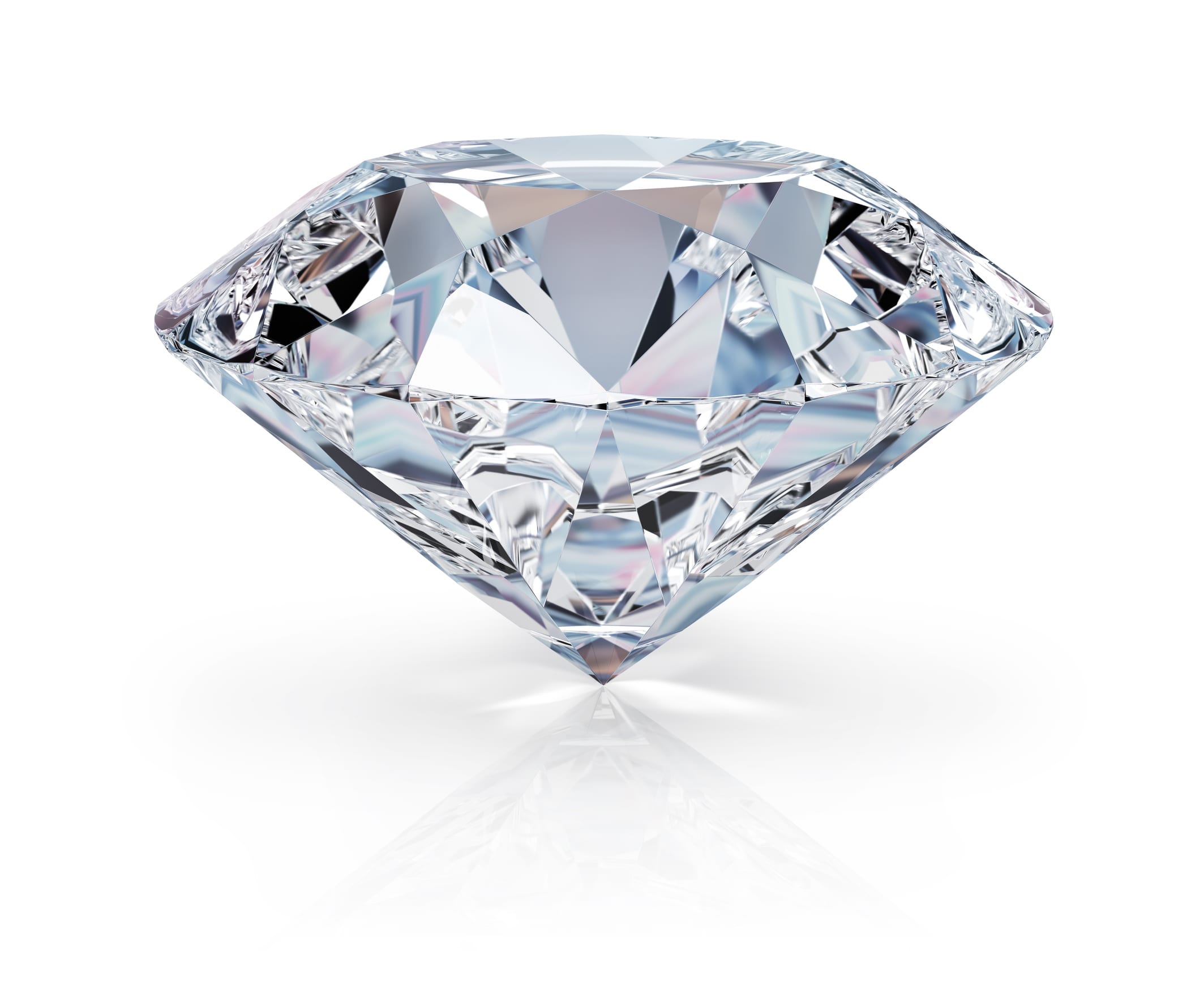
Inside these controlled chambers, scientists recreate the geological furnace. They take a tiny seed of carbon, place it under extreme heat and pressure, and within weeks, a crystal emerges. It is chemically, physically, and optically identical to the stone pulled from an open-pit mine. The only difference is the absence of a trail of destruction.
Pandora noticed. Consumers noticed. And the old mining conglomerates panicked.
When the brand decided to phase out mined diamonds entirely a few years ago, it was treated in financial circles as a reckless gamble. Critics chattered about brand identity. They wondered if customers would accept a diamond born in a lab rather than a crater.
They misread the room.
The modern buyer does not care about fairy tales spun by advertising executives in the mid-1900s. They care about truth. They want to know that the sparkle on their hand did not cost a forest its trees or a community its clean water. They want luxury without the guilt.
And that brings us back to Vietnam.
Building a state-of-the-art facility in Southeast Asia is not merely about lowering production costs, though supply chain efficiency is the quiet engine of modern commerce. It is about proximity to the beating heart of future growth. Europe and North America are mature markets. They are saturated, cautious, and slower to pivot. Asia, however, is electric.
Walk through the shopping districts of Bangkok, Jakarta, or Ho Chi Minh City, and you can feel the kinetic energy of a rising middle class with disposable income and a voracious appetite for self-expression. These consumers are digital-first, globally minded, and profoundly skeptical of old-world gatekeeping. They want affordable luxury, and they want it to align with their personal values.
Pandora is positioning itself right in the center of that intersection. By manufacturing these stones with renewable energy and shipping them directly to the markets where demand is exploding, they are rewriting the logistics of desire.
Yet, numbers rarely capture the emotional core of a purchase.
Imagine walking into a bright, minimalist boutique under the neon glow of a Friday night in a bustling Asian metropolis. A young woman stands before a glass case. She is not looking for a token of someone else's approval. She is celebrating her first promotion, or buying a gift for herself after years of late nights and relentless ambition. She points to a ring featuring a brilliant, flawless laboratory-grown stone.
When the salesperson tells her where it came from—not a hole in the ground, but a marvel of modern science—she smiles. To her, that origin story is not a downgrade. It is an upgrade. It represents human ingenuity. It represents a cleaner future. It means she can wear brilliance without compromise.
This is the invisible stakes of the corporate shift. It is a battle for the soul of modern aspiration.
The traditional diamond houses are fighting a rear-guard action, trying to protect a monopoly on rarity that nature never intended to be exclusive. They emphasize the romance of the earth, as if geological violence inherently equates to emotional purity. But for millions of buyers, the romance lies elsewhere. It lies in progress. It lies in the idea that we can have beauty without destruction.
The new factory in Vietnam is more than just an assembly line or a corporate expansion metric in a quarterly earnings report. It is a physical manifestation of a cultural pivot. It proves that the old ways of doing business are giving way to something cleaner, faster, and more attuned to human conscience.
The earth has plenty of secrets left. But the best ones are no longer buried in the dark. They are being engineered in the light, one brilliant crystal at a time, changing the way the world shines while the rest of the world is still catching up.


