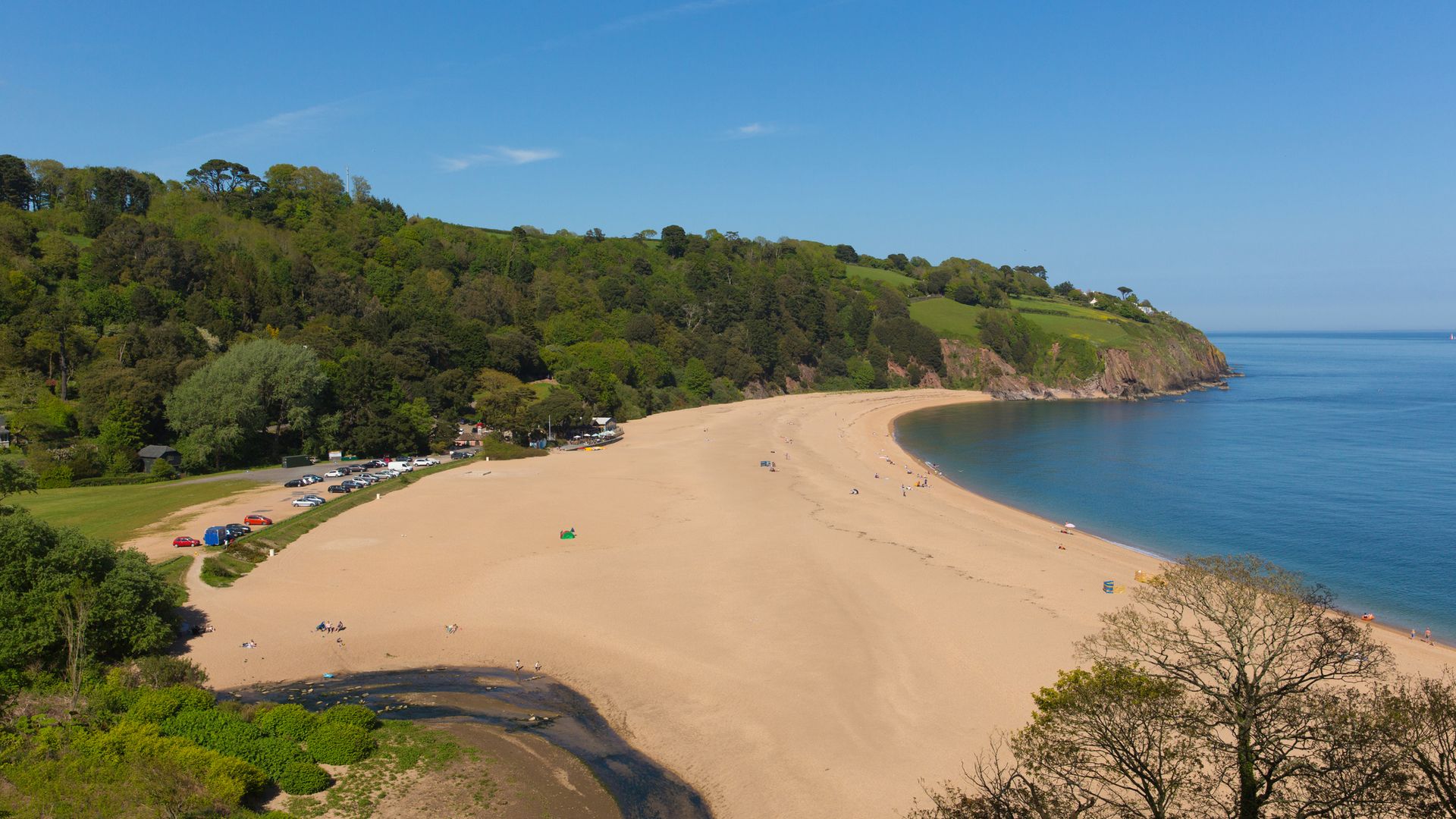
A man in his forties from Surrey entered the clear, deceptively calm waters of Blackpool Sands on a Monday afternoon and never made it back to the shore. Despite an emergency response involving HM Coastguard helicopters, multiple rescue teams, and two RNLI lifeboats, paramedics pronounced him dead at the scene. Another statistic. Another family shattered. Another coroner file opened.
The official reports list the death as non-suspicious, wrapping the tragedy in the standard bureaucratic language of routine maritime incidents. Yet this fatality is part of a relentless, brutal wave of open water deaths that has claimed dozens of lives during a succession of punishing heatwaves. When air temperatures climb and cities turn into ovens, the British coastline beckons with the promise of cool relief. It is an invitation written in physical danger. We are watching a slow-motion public safety failure play out across our beaches, rivers, and lakes, fueled by a collective refusal to understand how open water actually kills. For a closer look into similar topics, we suggest: this related article.
The Anatomy of Sudden Immersion Trauma
The public narrative surrounding coastal drownings almost always defaults to the same tired assumptions. Strong swimmer. Rough surf. Rip currents. While currents and exhaustion play massive roles in marine fatalities, they ignore the initial, silent killer that strikes long before a swimmer ever panics.
Cold water shock kills in minutes, sometimes seconds. Even in the dead of summer, the waters surrounding the British Isles maintain core temperatures that trigger an immediate, involuntary physiological crisis upon entry. When skin encounters water below 15 degrees Celsius, the body reacts with an explosive gasp response. Breathing becomes hyperventilated and uncontrollable. Blood pressure spikes violently as peripheral blood vessels constrict to protect core organs. To get more information on this development, extensive reporting can be read on BBC News.
For an otherwise healthy adult in their forties, this sudden cardiovascular demand acts as an unannounced stress test. If an individual dives straight into the sea to escape a heatwave without allowing their body to acclimate, the heart experiences a massive shock. Cardiac arrhythmias, stroke, and sudden drowning due to water inhalation during that initial gasp occur with terrifying frequency. The victim does not look like they are drowning. They cannot wave their arms or scream because their respiratory system is in complete mutiny. They simply slip beneath the surface while bystanders assume they are diving or swimming long distances.
The Illusion of Safety at Popular Beaches
Blackpool Sands near Strete is not a jagged, forbidding cliffside known only to seasoned mountaineers and commercial fishermen. It is a sheltered, privately managed shingle beach framed by pine trees, regularly marketed as an idyllic family destination complete with safe swimming zones and a coastal cafe.
This environment creates a dangerous psychological baseline. When a beach features calm surface conditions, clear water, and sunbathers lining the shore, human risk perception plummets. Swimmers conflate a lack of visible white water with absolute safety. They forget that topography beneath the surface dictates water behavior. Sheltered bays can conceal sudden drop-offs, shifting underwater shelves, and subtle longshore currents that quietly drain a swimmer's energy reserves as they attempt to return against an invisible offshore pull.
Experience teaches a hard lesson about recreational water use. The most dangerous beach is frequently the one that looks entirely benign. Lifeguards and coastal rescue operators spend summers pulling exhausted, panicked swimmers from locations where locals swore the water was safe. The absence of red flags or immediate storm warnings does not mean the ocean has transformed into a swimming pool. It remains an untamed, high-energy fluid environment governed by physics that care nothing for a visitor's holiday itinerary.
Systemic Failures in Public Safety Messaging
The current strategy for preventing open water tragedies relies heavily on reactive statistics and generic cautionary notices. Government agencies and local councils issue standard warnings whenever a heatwave approaches, urging the public to take care near water. These warnings bounce off the public consciousness like light off a windowpane. They lack teeth, context, and operational utility.
Telling people to be careful does nothing to educate them on how to survive a rip current or how to manage cold water immersion. Educational campaigns treat drowning prevention as an afterthought, relegated to small print on tourist brochures or fleeting social media posts issued after a body has already been recovered.
Compare this to how society treats other hazardous environments. We mandate rigorous training, specialized gear, and strict safety protocols for almost every other outdoor activity involving inherent risk. Yet anyone can walk down to a tidal beach, strip off their clothes, and plunge into a high-energy marine environment with zero swimming proficiency certification, zero understanding of local bathymetry, and zero awareness of tidal windows.
The public response remains trapped in a cycle of mourning and repetition. A cluster of deaths occurs during a hot spell. Headlines flash across national media outlets for forty-eight hours. Politicians express sorrow. Then the weather cools, the news cycle shifts, and the underlying structural indifference returns until the next heatwave drives crowds back to the shoreline.
Re-Engineering How We Approach the Sea
Preventing future tragedies like the one on the South Devon coast requires dismantling comfortable illusions about coastal recreation. We need a fundamental shift in how beach safety infrastructure operates across the United Kingdom.
First, seasonal lifeguard coverage must be expanded beyond a handful of designated tourist hotspots during peak afternoon hours. Many drowning incidents happen outside standard lifeguard patrol windows or in semi-remote coves where emergency services must travel significant distances to mount a rescue. Time is the absolute enemy in water immersion cases; irreversible brain damage from oxygen deprivation begins within minutes.
Second, hazard communication must move away from passive signage. Bright yellow warning signs covered in dense legal text are routinely ignored by beachgoers looking for a spot to lay their towels. Dynamic, high-visibility hazard indicators that update daily regarding water temperature, local undertow risks, and immediate survival instructions would force a cognitive pause before entry.
Third, water safety education must be treated as an essential life skill rather than an optional extracurricular activity. Basic survival swimming instruction should include open water awareness, teaching individuals how to float on their backs to conserve energy when caught in a current, and how to manage the suffocating panic of cold water shock.
The man who died at Blackpool Sands went to the coast looking for a brief escape from the summer heat. His death is a grim reminder that nature offers no compromises and grants no exemptions for good intentions. Until public policy matches the genuine lethality of our coastal waters, the coroner's office will continue to fill files with the names of people who simply wanted to swim.
.jpg?auto=webp&format=pjpg&width=3840&quality=60)