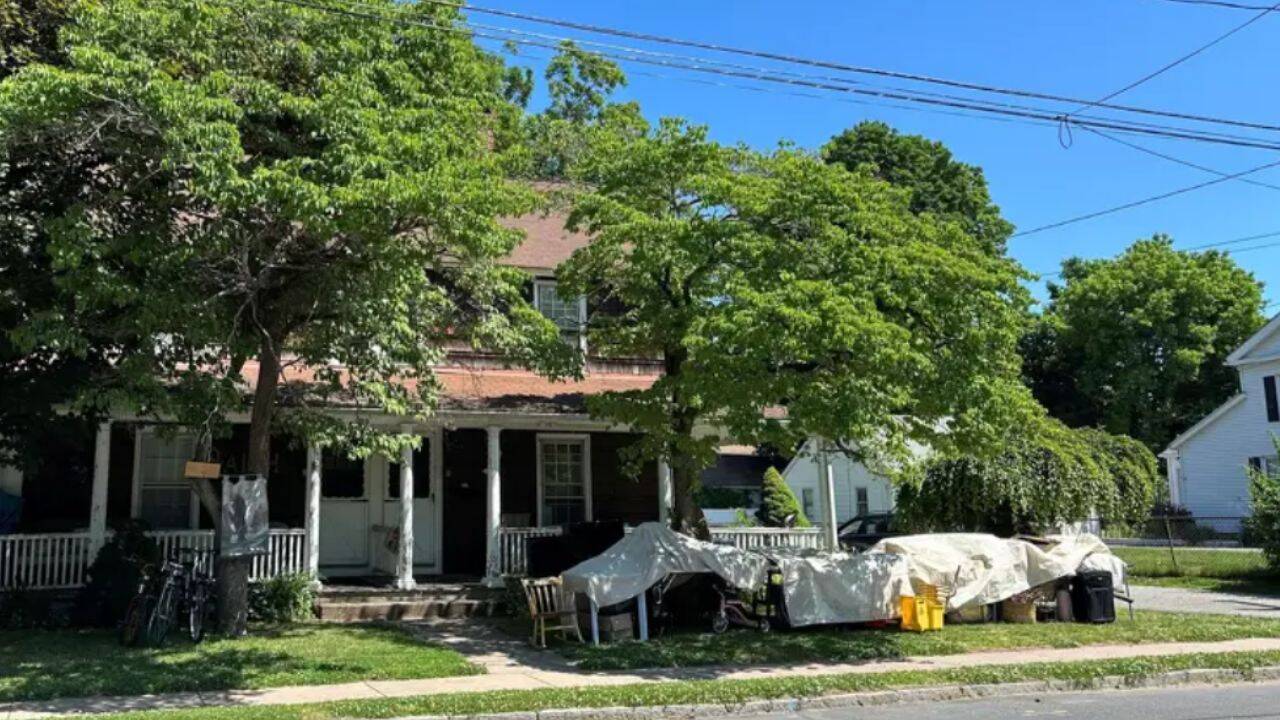
Municipal leaders love asphalt more than heritage. When a Connecticut town dropped four hundred fifty-five thousand dollars of public money on a historic home simply to knock it down for extra parking spaces, residents lost their minds. Rightfully so. You can rebuild a parking lot anywhere. You cannot recreate a piece of local history once it meets a demolition excavator.
This clash between small-town expansion and historic preservation happens everywhere. Local governments look at cramped downtown zones, point to crowded library lots, and see a simple math problem. Cars need concrete. Old houses need maintenance. Bulldozing the old house looks like the cheap, easy fix. If you enjoyed this article, you should read: this related article.
Except it is rarely cheap, and it is never simple.
The True Cost of Paving Over the Past
Municipal spending rarely stops at the initial purchase price. Spending four hundred fifty-five thousand dollars on a piece of residential property to expand a parking zone is just the down payment. Think about the hidden line items nobody talks about during town council meetings. For another perspective on this development, check out the recent update from Al Jazeera.
Demolition crews charge thousands to tear down plaster, lath, and framing. Environmental abatement for lead paint and asbestos adds another heavy bill. Then comes site prep, grading, runoff management systems, stormwater permits, asphalt laying, striping, and ongoing maintenance. By the time the first minivan parks on the fresh blacktop, the actual cost to taxpayers easily doubles.
Meanwhile, historic homes hold tangible asset value. Real estate experts note that older construction often features growth rings and timber density you cannot buy today. When a town buys a piece of real estate, it also acquires options. You can sell it with preservation easements. You can lease it out to generate municipal revenue. You can convert the interior into auxiliary municipal office space or archives. Paving it turns a multi-use asset into a single-use expense that generates zero return.
Why Libraries Need Space But Hate Losing Character
Libraries anchor modern communities. They aren't just quiet warehouses for books anymore. They host coding clubs for kids, tax assistance for seniors, 3D printing workshops, and community meetings. Success brings foot traffic. Foot traffic brings cars.
Town planners face a real squeeze. If patrons cannot find a place to leave their vehicles, circulation numbers drop. People stay home and download e-books. Library directors want convenience for their visitors, but they rarely want to be cast as the villains who paved paradise to put up a parking lot.
The compromise often fails because planners look at a map, draw a red circle around the adjacent parcel, and decide eminent domain or direct purchase is the path of least resistance. They forget that neighborhoods remember.
The Backlash No One Anticipates
Civic apathy has limits. Tell residents that tax dollars are going toward fixing roads or upgrading school technology, and people nod along. Tell them the town is spending nearly half a million dollars to destroy a standing piece of the town's architectural timeline for thirty extra parking spaces, and the phones at town hall start ringing off the hook.
Opposition groups form overnight. Yard signs sprout up. Heated public comment sessions stretch past midnight. Citizens point out zoning inconsistencies, environmental runoff concerns, and the loss of neighborhood character.
Elected officials get caught flat-footed. They treat the purchase as a routine administrative transaction. The public treats it as an assault on local identity. When trust breaks down between residents and municipal leadership, every subsequent public works project faces immediate suspicion.
Smarter Ways to Solve Municipal Parking Crunches
Communities don't have to choose between functional public spaces and saving their historic architecture. Better strategies exist for leaders willing to look past the asphalt-first playbook.
Shared parking agreements change the game. Most commercial plazas, churches, and office buildings sit empty on weekends and evenings when libraries are packed. Negotiating shared usage rights with nearby private property owners costs a fraction of buying real estate outright.
Mobility infrastructure matters just as much as vehicle storage. Installing secure bike racks encourages local families to pedal over instead of driving a massive SUV for a two-book pickup. Improving sidewalk connections from nearby residential neighborhoods cuts down vehicle trips naturally.
When a town has to expand its physical footprint, creative retrofitting beats demolition. Turning the backyard of an existing municipal property into a permeable paver lot while keeping the historic structure intact preserves the streetscape while solving the capacity crunch.
History gives a town its soul. Asphalt just gives it runoff. Elected leaders should spend less time looking for houses to knock down and more time figuring out how to manage the space they already own.