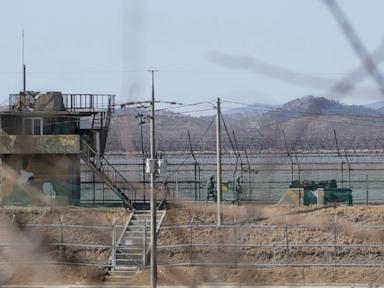
The border separating North and South Korea remains one of the most heavily fortified stretches of land on the planet. It's a place where tension hangs in the air like a physical weight, and routine exercises can instantly turn into critical security incidents. Recently, that volatile reality struck close to home when an explosion injured three South Korean military officers during operations near the heavily guarded border zone.
When you hear about military injuries in the Korean Demilitarized Zone, the immediate instinct is to look for signs of a sudden skirmish or an escalation of hostilities. Yet, the reality of border defense involves daily hazards that often go overlooked by casual observers. Landmines left over from decades past, aging infrastructure, and high-stakes tactical drills create an environment where a single misstep or equipment failure brings severe consequences.
Understanding what happened requires looking past the breaking news headlines. Let's break down the context behind this incident, the unique dangers facing troops stationed along the Korean border, and why these events matter for regional stability.
The Reality of Border Duty on the Korean Peninsula
Stationed along the Military Demarcation Line, South Korean soldiers face a daily grind unlike almost any other military posting. It's not just about watching opposing guard posts through binoculars. Troops manage miles of physical barriers, surveillance networks, and legacy minefields that crisscross the rugged terrain.
Border operations require constant maintenance of defensive structures. When an explosion occurs during these operations, investigators immediately look at a few standard possibilities. Was it an active provocation? Did an old explosive device shift due to heavy seasonal rains? Or did a piece of military equipment malfunction during a routine engineering task?
Military officials keep details tightly controlled during the initial phase of any investigation. Speculation spreads fast on social media, but seasoned analysts know that rushing to conclusions usually leads to bad intelligence. The immediate priority is always medical care for the injured personnel and securing the sector against secondary hazards.
Why Legacy Landmines Remain a Constant Threat
One of the most persistent dangers in the border region isn't incoming fire from the northern side. It's the ground itself. Millions of landmines were planted across the peninsula during the Korean War and the decades of military standoff that followed.
Heavy monsoons, soil erosion, and shifting terrain regularly dislodge these buried weapons. A hillside that was completely safe last year might harbor a corroded mine today. Engineering units take massive risks every time they clear brush, repair fences, or conduct maintenance near the wire.
When an explosion happens during non-combat engineering work, veteran observers immediately suspect environmental factors or unexploded ordnance. The Korean landscape holds decades of violent history just beneath the surface. Clearing it remains a painfully slow, high-risk endeavor that demands absolute precision from every soldier involved.
Strategic Implications of Border Incidents
Every loud noise or sudden blast near the inter-Korean border sends ripples through international diplomatic channels. Seoul and Washington evaluate every incident through a strategic lens to determine whether a military accident signals a broader shift in threat levels from Pyongyang.
At the same time, domestic politics in South Korea react sharply to military casualties. Public support for strong defense measures depends heavily on the safety and readiness of active-duty troops. When service members get hurt during routine operations, questions about safety protocols, equipment updates, and operational tempo invariably follow.
Military leadership faces intense scrutiny to prove they're protecting their personnel while maintaining combat readiness along a hostile frontier. It's a difficult balancing act. You can't secure a border by hiding away in a barracks, but you can't ignore preventable risks during engineering and patrol duties either.
What Happens Next on the Ground
For the injured officers, the road ahead involves immediate medical evacuation, specialized trauma care, and a long recovery process. For the broader South Korean armed forces, the incident triggers a comprehensive safety review across all front-line units.
Commanders will inspect engineering gear, re-evaluate mine-clearing protocols, and assess weather-related vulnerabilities along the fence line. These internal reviews rarely make international headlines, but they shape the day-to-day survival of thousands of soldiers serving in the sector.
The border doesn't sleep. Even as investigators comb through the blast site and officials brief government leaders in Seoul, other patrols are stepping out into the cold mountain air to watch the line. Understanding these incidents requires looking past the politics and recognizing the raw, physical danger faced by the people standing watch.