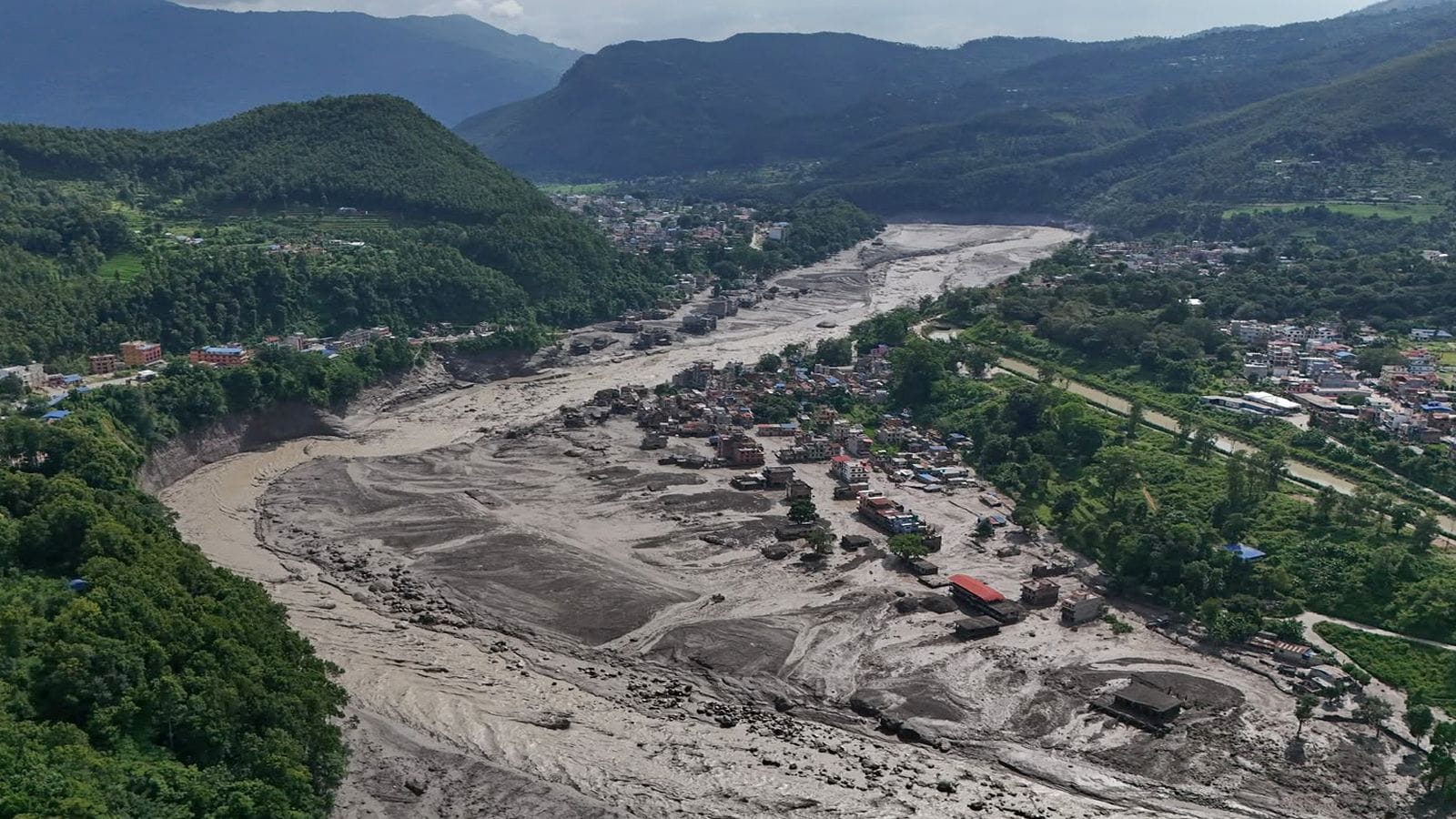
The water did not knock. It broke the door.
In the high mountain valleys of the Hindu Kush, where the air tastes of pine and thin ice, the monsoon used to arrive as a predictable guest. It watered the terraces of barley and filled the stone cisterns before moving on toward the plains. But the sky has lost its memory. Last year, the monsoon came down the slopes like an express train carrying boulders, mud, and the unspooled lives of entire communities.
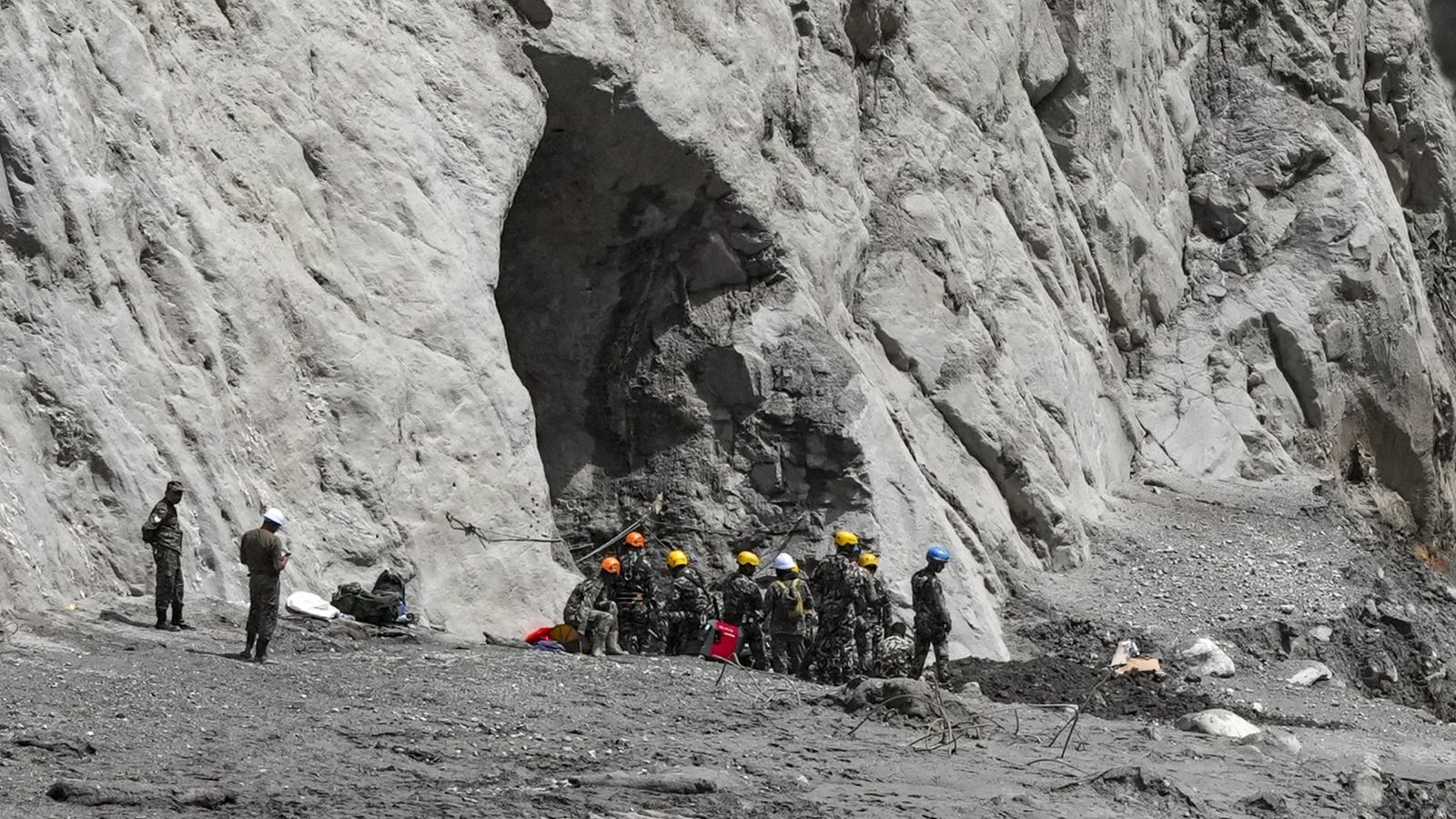
Meet Maya. This is a hypothetical portrait built from a hundred real faces, but her hands are calloused with the distinct dirt of the Himalayas. She is thirty-four, though the sun and the wind have written forty on her skin. On the night the flood came, she did not hear a weather alert on a smartphone. She heard the mountain roar—a deep, metallic grinding of earth against earth that sounded like a freight derailment in the dark. She grabbed her youngest child, scrambled up a jagged goat path, and watched from a ledge as thirty generations of her family's labor vanished beneath a grey soup of silt.
When the water receded, it left behind no gold, no insurance adjusters, and no blueprints for tomorrow. It left a bill.
And that is where the argument begins.
The Geography of Fault
We live in a world obsessed with neat lines on maps. We draw borders between nations as if the atmosphere respects our ink. It does not. The carbon pumped from exhaust pipes in distant mega-cities does not stay put; it drifts upward, wrapping the globe in an invisible thermal blanket. It warms the oceans. It melts the glaciers. It loads the dice for every storm that rolls off the Bay of Bengal and slams into the roof of the world.
Nepal contributes a vanishingly small fraction of the greenhouse gases choking the planet. Its per capita emissions are among the lowest on Earth. Yet the nation sits directly in the crosshairs of climate destruction. Glacial lakes, swollen by rising temperatures, burst their natural moraine dams with terrifying regularity. These are known as glacial lake outburst floods, or GLOFs, and they act like liquid dynamite.
When a nation that did nothing to strike the match is left holding the burn ward bill, a fundamental question of justice arises.
For years, international climate talks have danced around this reality. Rich nations talk about "aid." They speak the language of philanthropy, of benevolence, of writing checks out of the goodness of their hearts when disaster strikes. But walk through a devastated village in Sindhupalchowk, and charity feels like an insult. Charity implies that you are handing someone a coin out of pity.
Nepal’s leaders have begun using a different vocabulary. They call it moral liability. They call it compensation.
They are entirely right.
Why Words Matter
Consider the mechanics of debt. If you borrow money to buy a car, you pay it back. If you break a neighbor’s window with a stray cricket ball, you pay for the glass. This is the oldest, most foundational rule of human society: cause and effect.
Yet, on a planetary scale, we have spent decades pretending that cause and effect stop at national borders. Industrialized economies built their prosperity on cheap fossil fuels. Every factory engine that roared to life in the nineteenth and twentieth centuries added another brick to the modern world, while quietly weakening the foundations of houses thousands of miles away.
When Nepal demands compensation, it is not asking for a handout. It is presenting an invoice.
The distinction changes everything. Charity creates a hierarchy between the savior and the saved. Liability creates a relationship between a debtor and a creditor. Liability acknowledges that a wrong was committed, that damage was sustained, and that restitution is owed.
Imagine standing in front of a ruined schoolhouse where children used to learn their arithmetic under the shadow of peaks that now look less like monuments and more like loaded weapons. Would you look at the villagers and talk about foreign aid budgets? Or would you recognize that the carbon in your own atmosphere helped wash those foundations away?
The Cost of Silence
The global financial architecture moves at the speed of bureaucracy, while climate change moves at the speed of physics.
When funds are finally promised through international climate mechanisms, they are often buried under mountains of red tape, or worse, offered as high-interest loans rather than direct grants. Think about that for a moment. A country is battered by a climate-induced disaster it did not cause, and the global financial system responds by offering to lend them money to fix it, complete with interest.
It is financial absurdity masquerading as policy.
The human cost of this inertia is measured in quiet tragedies. Farmers abandon their ancestral plots because the soil has turned to gravel. Young men leave the mountain villages to work in sweltering construction sites in the Gulf, sending remittances back home just to keep their families from starving. The culture, the songs, the oral histories tied to those specific high-altitude valleys are fraying at the edges.
All because the ledger is out of balance.
The Horizon of Reckoning
There is a stubborn myth that we can adapt our way out of this crisis through sheer ingenuity. Build higher walls. Plant tougher crops. Move away from the rivers.
Adaptation is necessary, of course. But it has limits. You cannot adapt away the loss of an entire ecosystem. You cannot adapt when the glacier that feeds your river system has simply ceased to exist. At a certain point, adaptation without accountability becomes a cruel joke—telling people to build better sandcastles while you keep turning up the tide.
The demand coming out of Kathmandu is a crack in the polite diplomatic facade of global climate negotiations. It forces wealthy nations to confront an uncomfortable mirror. It strips away the comforting fiction that we are all simply passengers on this journey together, sharing the risks equally.
We are not sharing the risks. The people who built the vehicle are sitting safely in the air-conditioned cabin, while the people who never even touched the steering wheel are strapped to the bumper.
The water has receded from the valleys now, but the mud has dried into a hard, grey crust that refuses to grow anything at all. In the quiet evenings, the villagers listen to the wind howling through the empty gorges, waiting to see if the world beyond their mountains will finally look at the invoice, stop talking about charity, and pay what it owes.