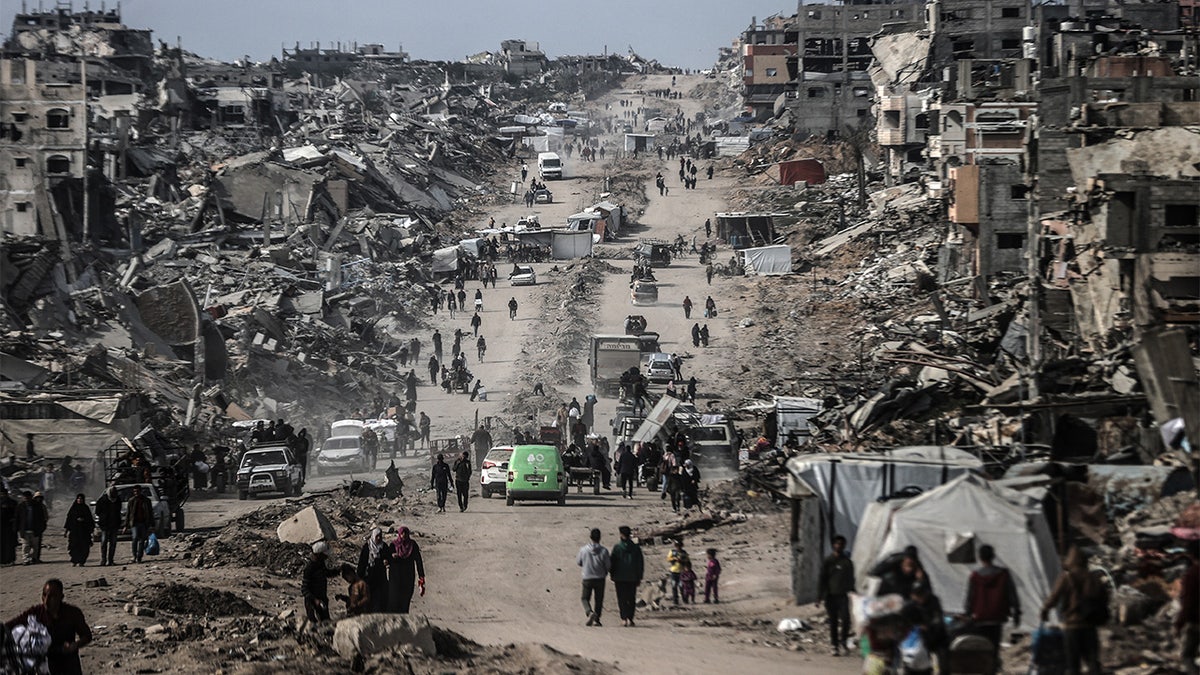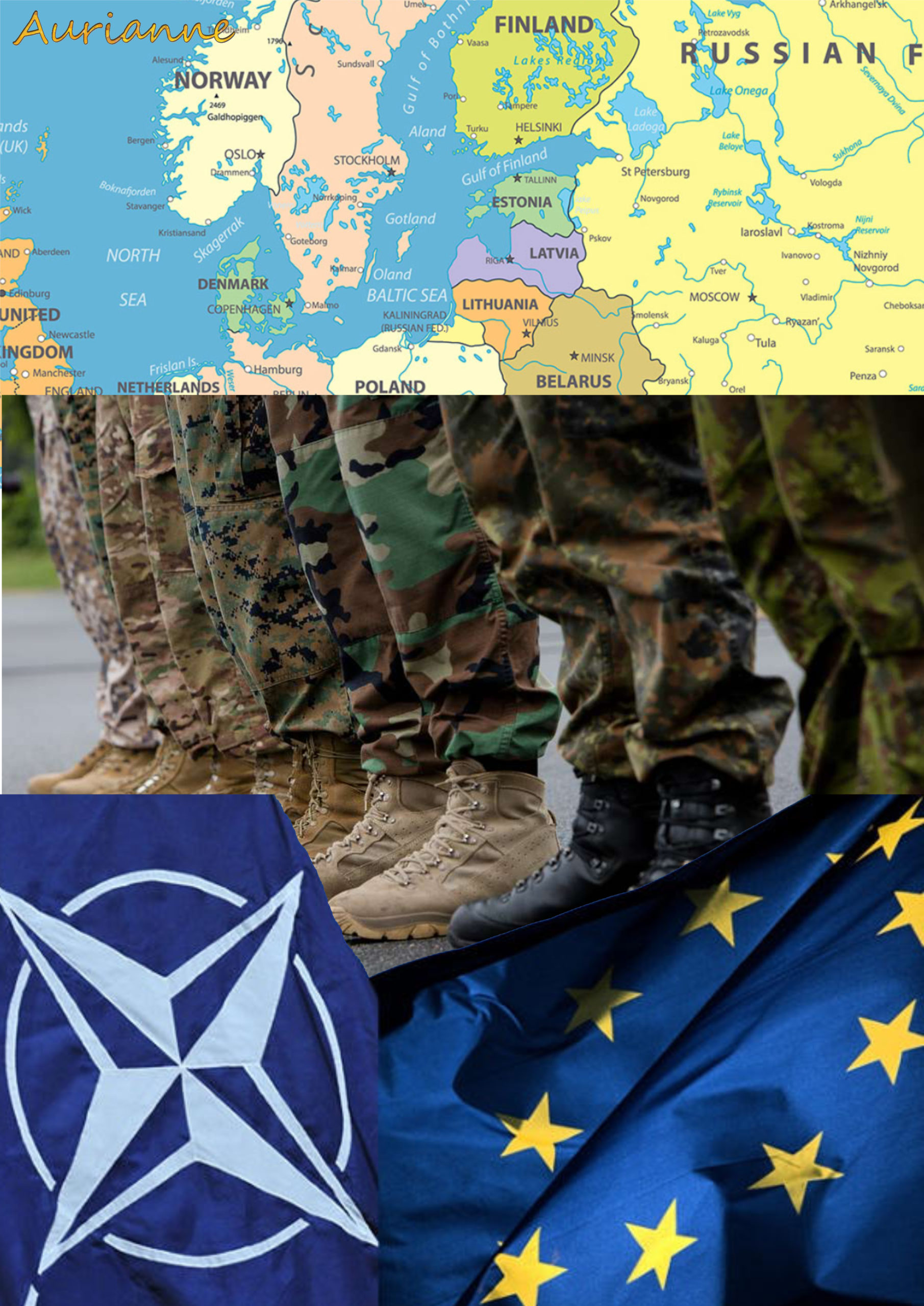
The lights in the harbor of Bandar Abbas do not flicker with the rhythm of commerce anymore. They pulse with the anxiety of a world waiting for a ghost to materialize. We often speak of war as a singular event—a thunderclap that changes the map overnight. But what we are witnessing now, as the friction between Iran and the West grinds toward a breaking point, isn't a single explosion. It is a slow, methodical dismantling of the systems we take for granted.
It is the death of a thousand papercuts.
Consider a man named Elias. He is a mid-level logistics manager for a shipping firm in Hamburg. He doesn't carry a rifle. He doesn't study troop movements in the Levant. Yet, his hair is graying faster than it should because of a series of "mini-crises" happening five thousand miles away. For Elias, the Iran conflict isn't a headline; it’s a spreadsheet of diverted tankers, astronomical insurance premiums, and the terrifying realization that the global supply chain is far more brittle than the glossy brochures suggest.
Each time a drone swarms a vessel in the Red Sea or a battery of missiles illuminates the sky over Isfahan, a tiny tremor ripples through the global nervous system. These events are often dismissed as contained incidents. Pundits call them "calibrated" or "proportional." But the math of stability doesn't work that way. Stability is cumulative. Chaos is, too.
The Fragility of the Straight Line
The Strait of Hormuz is a geographical bottleneck, a narrow throat through which a fifth of the world’s daily oil consumption must pass. If you look at a map, it seems like a simple transit point. In reality, it is the jugular vein of the modern world.
When tensions spike, the cost of moving goods doesn't just rise; it mutates. Insurance companies, the silent arbiters of global trade, begin to rewrite the rules of what is "insurable." For someone like Elias, this means a cargo ship carrying electronics or grain suddenly becomes a liability too expensive to float.
We see the "mini-crisis" of a single ship being seized. We do not see the invisible collapse of the trust required to keep the shelves of a grocery store in Ohio or a pharmacy in Berlin stocked. When the Straight of Hormuz is threatened, the world doesn't just lose oil. It loses the certainty of tomorrow.
The Psychology of the Slow Burn
In the corridors of power in Tehran and Washington, the game is one of brinkmanship. It’s a high-stakes poker match where the chips are human lives and economic futures. But for the person on the street, the impact is psychological.
Take Sarah, a freelance graphic designer in London. She doesn't think about Iranian centrifuge capacity when she wakes up. But she notices that her heating bill has doubled. She notices that the "temporary" surcharge on her imported hardware hasn't gone away. She feels a low-level, persistent hum of dread. This is the "big collapse" in its embryonic stage—not a falling building, but the steady erosion of a family’s ability to plan for the future.
These mini-crises act as a feedback loop. Iran’s regional proxies launch a strike; the markets jitter; the West responds with sanctions; Iran retaliates with cyberattacks or maritime harassment. Each cycle tightens the noose.
The danger isn't just the "Big War" everyone fears. The danger is the transition period where we become accustomed to the dysfunction. We stop expecting things to work. We start hoarding. We start looking for scapegoats. Society doesn't usually fail because of one bad day. It fails because it gets tired of fighting a hundred small battles every week.
The Digital Front and the Invisible Sabotage
Beyond the tankers and the missiles lies a realm of conflict that leaves no craters but causes massive internal bleeding. Cyber warfare is the perfect tool for the "mini-crisis" strategy. It is deniable, relatively cheap, and deeply unsettling.
Imagine a city where the water treatment plants suddenly glitch, or the electrical grid stutters for three hours every Tuesday. There is no smoke. There are no sirens. Just a creeping sense that the infrastructure of life is no longer reliable. Iran has invested heavily in these asymmetric capabilities. They understand that you don't need to win a tank battle if you can make the enemy’s civilian population lose faith in their own government’s ability to provide basic services.
This is where the "add up to a big collapse" theory finds its teeth. When physical security is threatened by regional skirmishes and digital security is compromised by state-sponsored hacking, the social contract begins to fray. People stop looking outward at the world and start looking inward at their own survival.
The Cost of Cold Facts
The competitor’s data points tell us that oil might hit $120 a barrel or that shipping routes are 30% longer. These numbers are accurate, but they are sterile. They don't capture the exhaustion of the port worker who has to stay for a double shift because a vessel was delayed by three days to avoid a combat zone. They don't capture the heartbreak of a small business owner who has to close because his "just-in-time" inventory model was decapitated by a maritime blockade.
Logic dictates that if you keep hitting a glass pane with a small hammer, eventually, it will shatter. It doesn't matter that each individual strike was "minor." The structural integrity is gone.
We are currently testing the structural integrity of the 21st century.
The Mirage of Containment
There is a dangerous comfort in the word "containment." It suggests that as long as the fighting stays within certain borders, the rest of us are safe. It’s a lie we tell ourselves so we can keep shopping and scrolling.
The reality is that we live in a world of interconnected dependencies. A missile strike in Isfahan affects the retirement fund of a teacher in Tokyo. A cyber-attack on a bank in Riyadh changes the interest rate for a home loan in Toronto. The "war" is already here; it’s just not being fought with the weapons we recognize from history books.
The real collapse happens when the "mini-crises" stop being news and start being the environment. When we accept that certain seas are unnavigable, that certain borders are permanent flashpoints, and that the price of energy is a volatile mystery, we have already lost the world we built after 1945.
Elias, the logistics manager, looks at his screen. A red dot indicates a ship has stopped moving. Is it a mechanical failure? A pirate boarding? A state-sanctioned seizure? In the current climate, he has to assume the worst. That assumption, multiplied by ten thousand managers across the globe, is the sound of the engine seizing up.
The collapse won't be a movie scene with a dramatic musical swell. It will be a quiet afternoon where you realize that the things you used to rely on simply aren't coming back.
The water is rising. We are busy arguing about the shape of the raindrops.