When the ground violently convulsed beneath Kumamoto Prefecture, stripping shelves bare and sending thousands of shoppers scrambling into the open air, 22-year-old Kurumi Otake did what any sensible person would do. She ran.
The young retail clerk successfully evacuated the sprawling Aeon Mall Kumamoto complex, escaping the immediate danger of collapsing ceilings and violent aftershocks. She even crossed paths with her aunt and cousin outside in the parking lot, safe, breathing, and alive. Minutes later, she was dead.
She did not die because she was trapped by falling concrete during the initial seismic jolt. She died because corporate management ordered her back inside a structurally compromised building to secure a drawer full of cash.
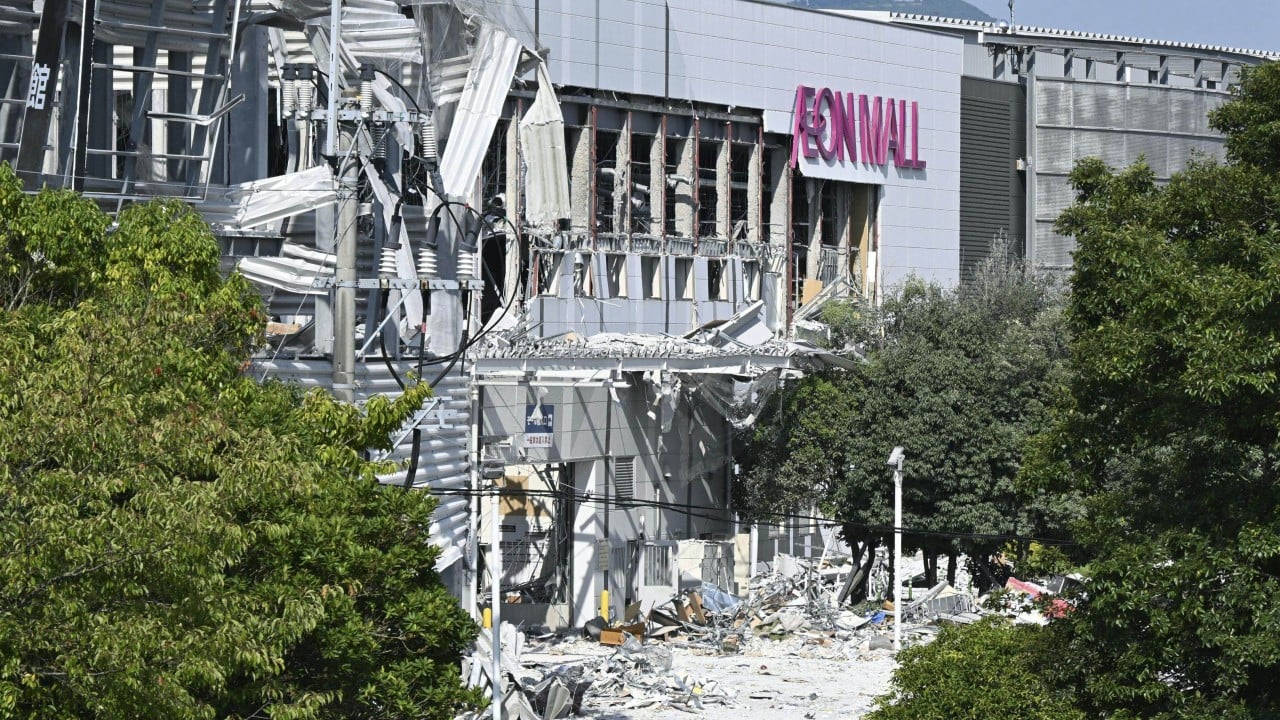
Executives at Habita Inc., the operator of the tenant variety store where Otake worked, publicly admitted that they instructed employees to re-enter the hazard zone following the disaster to place daily sales proceeds into a safe. Moments after she re-crossed the threshold, a massive gas leak ignited, triggering an explosion that reduced parts of the shopping center to rubble and claimed multiple lives.
This tragedy exposes a grim, systemic rot within corporate retail culture. When disaster strikes, institutional panic over inventory and cash flow frequently supersedes basic human survival.
The Anatomy of a Fatal Directive
Emergency protocols in major Japanese commercial hubs are supposed to be ironclad. Large retail groups like Aeon maintain extensive evacuation guidelines stating explicitly that staff must vacate structures immediately and never return inside following a major seismic event. Thousands of shoppers and workers followed these exact rules during the initial emergency, streaming safely out into open lots within minutes.
Yet, tenant shops inside these massive multi-tenant complexes operate in a precarious administrative netherworld. While the mall owner enforces umbrella safety rules, individual corporate operators retain direct control over their workforce. Middle management, staring down the barrel of potential inventory loss or missing paperwork, often exercises catastrophic discretion.
For Otake, that discretion proved fatal. Her family later recounted how she hesitated at the perimeter, acutely aware of the danger, only to feel compelled by her employers' direct demands.
Insurance covers lost revenue. Corporate balance sheets absorb petty cash variances. But middle managers prioritizing daily drawer counts over human lives treat workers as disposable units of labor.
The Myth of Compliance and the Breakdown of Autonomy
To understand how a worker can be convinced to walk back into a ticking time bomb, one must examine the absolute conditioning of corporate hierarchy.
In many traditional retail environments, instructions from superiors carry an implicit weight that overrides physical intuition. When an authority figure on a phone call or messaging app demands an accounting of the register, the psychological pressure to obey creates a profound hazard. Employees fear professional ruin, social ostracization, or insubordination penalties more than abstract environmental threats.
This compliance trap is particularly acute for younger or non-permanent workers. They are conditioned to solve administrative friction at all costs. When the earthquake hit, the reflex of the corporate office was not to check on the physical wellbeing of its staff, but to secure the physical assets.
By the time Habita executives attended Otake's wake to hand over a written apology and confess their negligence, the structural failure of corporate oversight was laid bare. Admissions of guilt during a funeral wake are rare in corporate history. The unprecedented speed of the admission suggests that the evidence of liability was so overwhelming, and the public fury so intense, that stonewalling was impossible.
Systemic Vulnerabilities in Multi-Tenant Retail
The disaster at the Kumamoto complex highlights a dangerous flaw in how shopping malls are managed during natural disasters. Large footprints host dozens of independent storefronts, each bound by separate corporate directives.
- Communication Silos: Mall management units lose unified control the moment an evacuation begins, leaving individual stores to manage their own personnel remotely.
- Asset Fixation: Mid-tier corporate offices lack real-time situational awareness, treating disaster zones with the same administrative urgency as a routine Tuesday closing shift.
- Enforcement Gaps: Vague emergency manuals often fail to penalize companies that pressure staff to secure property, creating an environment where profit protection trumps life safety.
When an entire region is jolted by a major tremor, gas lines warp, electrical systems short, and structural joints weaken. Every minute spent lingering inside a damaged facility exponentially increases exposure to secondary hazards like gas explosions and structural collapses.
The Legal and Moral Reckoning
The fallout from the Kumamoto tragedy must extend far beyond a single corporate apology. When employers direct staff back into active disaster zones, they cross the line from negligence into reckless endangerment.
Legal experts point out that written admissions of guilt simplify civil litigation, but civil settlements do not restore human life. True accountability requires structural change across the entire retail sector. Emergency response training must explicitly grant workers the absolute right to refuse dangerous post-disaster orders without fear of professional retaliation.
Until corporate boards face criminal liability for treating employee safety as secondary to petty cash, workers will continue to pay the ultimate price for administrative greed. Kurumi Otake should have been celebrating her survival in a parking lot. Instead, she became a casualty of a system that values paper currency more than human breath