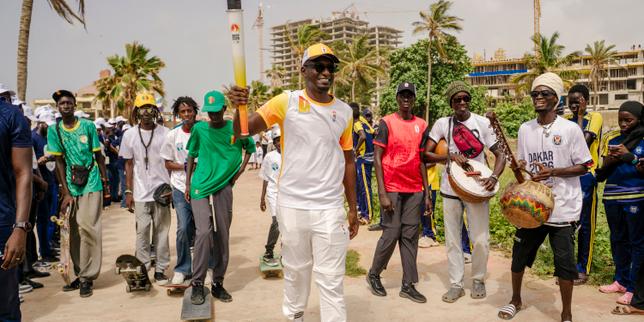
Big global events always look glamorous on television. Massive stadiums, smiling athletes, and billions in economic promises fill the official press releases. But talk to people living on the ground in Dakar, and you will hear a completely different story.
The upcoming Youth Olympic Games scheduled for Senegal are creating serious social friction. Local residents aren't celebrating. They are worried, frustrated, and pushing back.
If you only read official sports bulletins, you would think this international showcase is universally welcomed. That is far from reality. The tensions running through Senegal right now highlight a massive disconnect between high-level political ambitions and everyday economic survival.
The Cost of Prestige While Living Costs Rise
Money talks. And right now, it is screaming in Dakar.
Hosting any major athletic tournament requires astronomical funding. Infrastructure needs overhauls. Roads get widened, transit systems receive upgrades, and brand-new arenas rise from the ground. Billion-dollar budgets sound impressive on paper. Yet ordinary citizens look at these mega-projects and ask a very simple question.
Who pays? And who actually benefits?
Inflation has hit households hard across Senegal. Basic food items cost more. Rent prices keep climbing. Finding steady employment remains a daily grind for thousands of young people. Pumping massive public and international funds into sports facilities while basic social services feel squeezed creates deep resentment.
It feels tone-deaf. When families struggle to pay for healthcare or education, spending fortunes on temporary sporting venues feels like misplaced priorities.
Displacement and the Fight for Urban Space
Major athletic events require land. Lots of it.
Across developing cities chosen for global showcases, urban renewal often means eviction. Neighborhoods slated for redevelopment or transport corridors face sudden disruption. People who have built communities over decades find their homes or informal businesses threatened by sudden modernization drives.
Street vendors form the backbone of local commerce in Dakar. They operate in the informal economy, making just enough to feed their families day by day. When authorities clear areas to make way for beautification projects or security zones ahead of international visitors, these workers lose their livelihoods instantly.
You cannot simply sweep local commerce under the rug and pretend it does not exist. These vendors are fighting for their economic survival. Ignoring them leads directly to street protests and boiling social anger.
Promises Versus Reality
Governments always promise a lasting legacy. They talk about tourism booms, international exposure, and long-term economic growth.
Skeptics point to historical examples where massive athletic events left host nations saddled with white elephant infrastructure—costly stadiums that sit empty once the cameras leave. Dakar wants to avoid that trap, but the anxiety remains valid. Will these facilities serve local youth sports programs long after the closing ceremony, or will they turn into expensive monuments to a two-week party?
Citizens demand transparency. They want clear answers on public debt and accountability. When governments rush projects through without adequate public consultation, suspicion naturally grows.
What This Means Moving Forward
The friction in Senegal goes beyond sports administration. It is a classic clash between top-down global ambitions and bottom-up local realities.
Hosting the world stage is an honor, but it should never come at the expense of the people who call the host city home. Listening to community concerns, protecting informal workers, and ensuring tangible local benefits are non-negotiable steps. Ignoring social unrest will not make it disappear. True success requires addressing these grievances head-on before the first whistle blows.