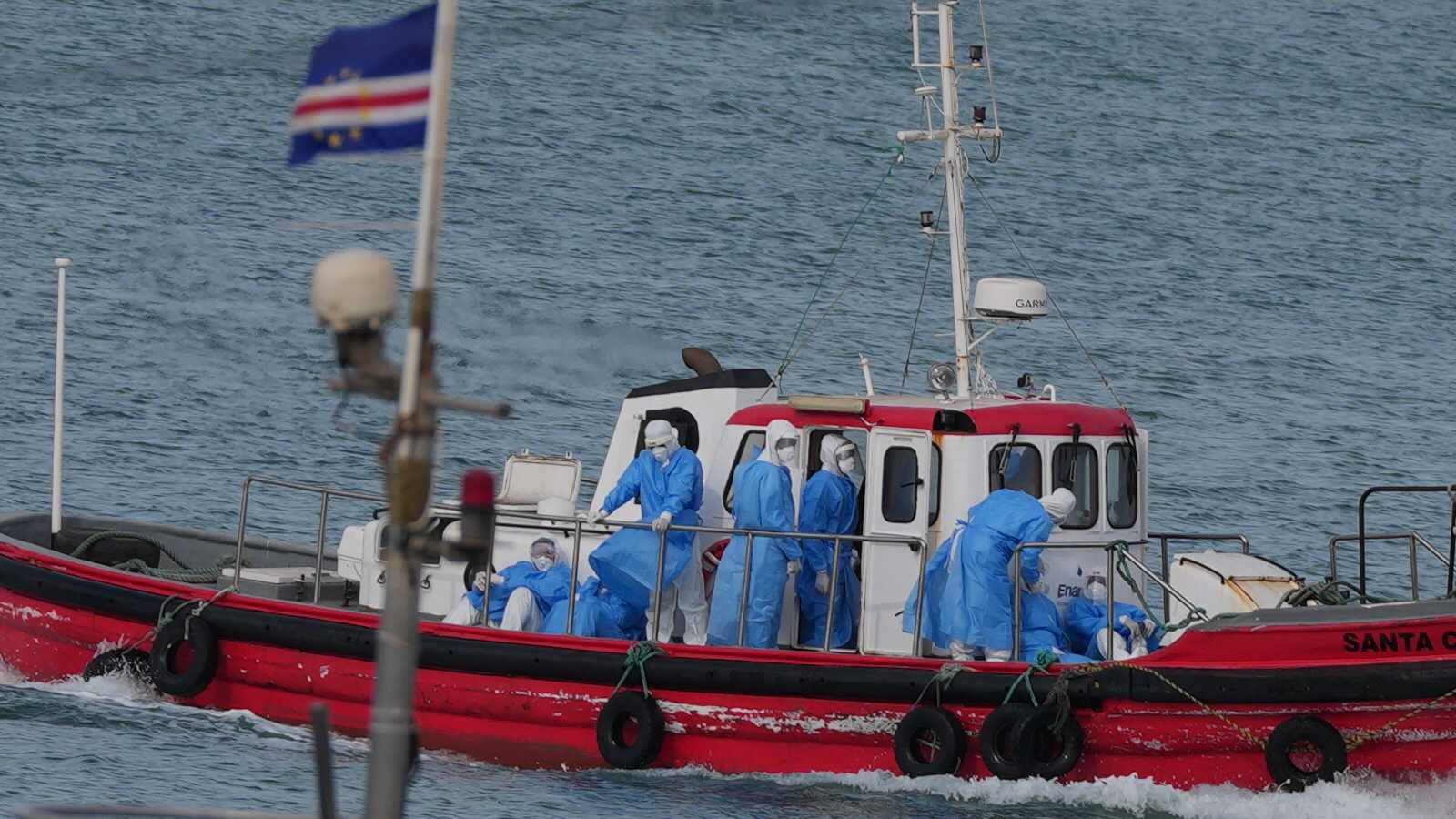
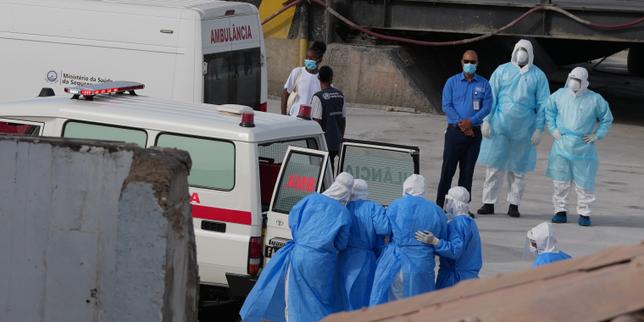
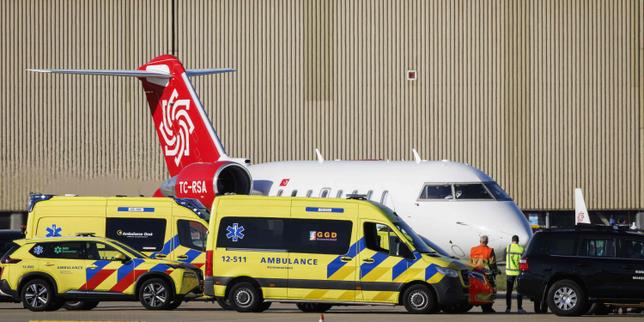
The evacuation of a British tour guide from a luxury vessel wasn't just a localized medical emergency; it was a loud, coughing warning for an industry that has long prioritized aesthetics over biological security. While initial reports focused on the individual drama of a hospital stay in a foreign port, the broader story lies in the systemic failure to manage zoonotic risks in confined, high-traffic environments. This isn't just about one sick passenger. It is about how a multi-billion dollar sector remains vulnerable to the primitive biology of rodents and the pathogens they carry.
A British tour guide, whose identity remained a focal point of tabloid curiosity, found himself at the center of a nightmare when he was airlifted from a cruise ship following an outbreak of a suspected "rat virus"—typically a hantavirus or Leptospirosis. He remains in isolation, unsure of his recovery timeline or the long-term impact on his health. But his individual uncertainty is a mirror for the entire travel industry. For an alternative perspective, read: this related article.
The Biological Hazard Under the Deck
Cruise ships are essentially floating cities, but unlike land-based cities, they are closed-loop systems. When a virus enters that loop, it doesn't just spread; it amplifies. We have seen this with Norovirus for decades, but the introduction of rodent-borne illnesses suggests a breakdown in the most basic sanitation protocols. Rats don't just appear on ships; they are brought on via cargo, poorly managed waste facilities at ports, or through the very supplies meant to feed the thousands of guests on board.
The specific threat in this case—often linked to hantavirus pulmonary syndrome or similar hemorrhagic fevers—is far more lethal than the standard stomach bug. These pathogens are typically transmitted through contact with rodent urine, droppings, or saliva. In the tight quarters of a ship’s crew area or ventilation systems, these materials can become aerosolized. One deep breath in the wrong corridor is all it takes to turn a dream vacation into a life-threatening medical crisis. Similar coverage on this trend has been published by AFAR.
Why Containment Fails in High-End Travel
The luxury travel market thrives on the illusion of perfection. When a tour guide—a person responsible for the safety and experience of dozens of others—is the one who falls ill, the illusion shatters. The industry’s standard response is often to isolate the individual and sanitize the immediate area, but this ignores the source. If a rat is present in a ship's galley or storage hold, it is rarely alone.
Industry analysts have noted a disturbing trend: as ships get larger, the complexity of maintaining a vermin-free environment grows exponentially. There are more nooks, more miles of wiring for rodents to chew through, and more massive quantities of food being moved daily. The "rat virus" isn't a freak accident. It is an inevitable outcome of logistical corners being cut in the race to fill larger and larger vessels.
The Financial Fallout of a Health Crisis
For the individual guide, the costs are personal and immediate. For the cruise line, the costs are structural. A single evacuation can cost tens of thousands of dollars in logistics alone, but the real damage is to the brand. When "rat virus" enters the public lexicon alongside a specific cruise line, the bookings for the following quarter inevitably plummet.
Investors often look at "ship cleanliness" as a secondary metric, but it should be a primary indicator of operational health. A company that cannot manage its pest control is likely struggling with other back-of-house efficiencies. The guide’s "silence" being broken is the first crack in a wall of non-disclosure agreements and PR spin designed to keep these incidents quiet.
The Port Authority Problem
We cannot blame the ships alone. Global ports are notorious breeding grounds for disease vectors. Many international hubs lack the rigorous health inspections necessary to prevent rodents from boarding vessels during the loading process. A tour guide working the Mediterranean or Caribbean routes is constantly moving between these high-risk zones and the sanitized environment of the ship.
The breakdown occurs at the interface between the ship and the shore. If the port’s waste management is subpar, the ship becomes a sanctuary for local vermin. This creates a cycle where the vessel effectively "exports" a local virus to every other port on its itinerary, turning a single rat into a global health liability.
The Reality of Isolation
When a patient is hospitalized with a zoonotic virus, the timeline is never clear. Doctors are dealing with pathogens that can have incubation periods of weeks and recovery periods of months. The British guide’s admission—that he has no idea when he will be released—is the most honest statement to come out of this entire ordeal.
Medical facilities in various port cities vary wildly in quality. An evacuee might find themselves in a world-class infectious disease ward or a cramped provincial clinic with limited resources. This "medical lottery" is something most travelers never consider when they sign their waivers. They assume that if they get sick, they will be flown home immediately. In reality, quarantine laws often prevent international transport until the patient is no longer a biological threat, leaving them stranded in a legal and medical limbo.
The Failure of the Duty of Care
Employers in the travel sector owe their staff a "duty of care" that extends beyond a paycheck. Sending a guide into an environment where they are exposed to rodent-borne illnesses is a failure of that duty. There is a growing movement among travel professionals to demand more transparent health reports and better protection against biological hazards.
- Sanitation Audits: Regular, third-party inspections that go beyond the surface level.
- Vermin Proofing: Utilizing modern architectural techniques to seal off cable runs and storage areas.
- Staff Training: Ensuring every member of the crew knows how to identify and report signs of infestation before an outbreak occurs.
The Shadow of Future Outbreaks
We are entering an era where the crossover between wildlife and human populations is becoming more frequent. Climate change and urban sprawl are pushing rodents into new territories, and our global transport networks are providing them with free passage. The "rat virus" incident is a preview of a future where travel is constantly disrupted by emerging pathogens.
The cruise industry likes to talk about "innovation" in terms of giant waterslides and celebrity-chef restaurants. They are far less vocal about their innovations in waste management or pest exclusion. Until the engineering of the ships matches the marketing of the experience, these health crises will continue to happen.
The Hidden Cost of the Low-Bid Supply Chain
To maintain the margins required for massive cruise operations, food and supplies are often sourced from the lowest bidders in various international ports. These suppliers may not adhere to the same rigorous standards found in the UK or the US. A pallet of grain or fresh produce can easily hide a stowaway that carries a viral load capable of sickening a hundred people.
The tour guide is the "canary in the coal mine." His illness is the physical manifestation of a supply chain that values speed and cost over the biological integrity of the vessel. When he says he doesn't know how long he will be in the hospital, he is speaking for an entire industry that doesn't know how to fix a problem it refuses to fully acknowledge.
A Systemic Overhaul
Waiting for the next evacuation is not a strategy. The industry needs a total rethink of how it handles the biological reality of long-term maritime travel. This includes investing in real-time pathogen monitoring and more aggressive pest management that doesn't rely on toxic chemicals that can also harm passengers.
The guide remains in his hospital bed, a victim of a system that failed to keep a basic pest off a multi-million dollar ship. His story isn't a "freak accident." It is a case study in the dangers of ignoring the microscopic world in favor of the macroscopic bottom line. If you are boarding a ship this year, you aren't just buying a ticket for a room; you are betting your health on the effectiveness of a crew’s ability to keep the rats at bay.
The industry must stop hiding behind non-disclosure agreements and start publishing their health and sanitation scores with the same pride they use for their dining menus. Transparency is the only vaccine for a reputation poisoned by a "rat virus." Without it, the next evacuation is already on the horizon, and the next patient might not be a guide, but a paying guest who won't be so quiet about their stay in a foreign ward.
Stop looking at the horizon and start looking at the floorboards. The real threat to the future of travel isn't a bad economy or a shift in consumer taste; it's the biological cargo we are accidentally inviting on board. Every day that a ship sails without a revamped sanitation protocol is another day the industry gambles with the lives of its staff and its patrons. The British guide’s isolation is a stark reminder that in the battle between human luxury and rodent biology, biology is currently winning.