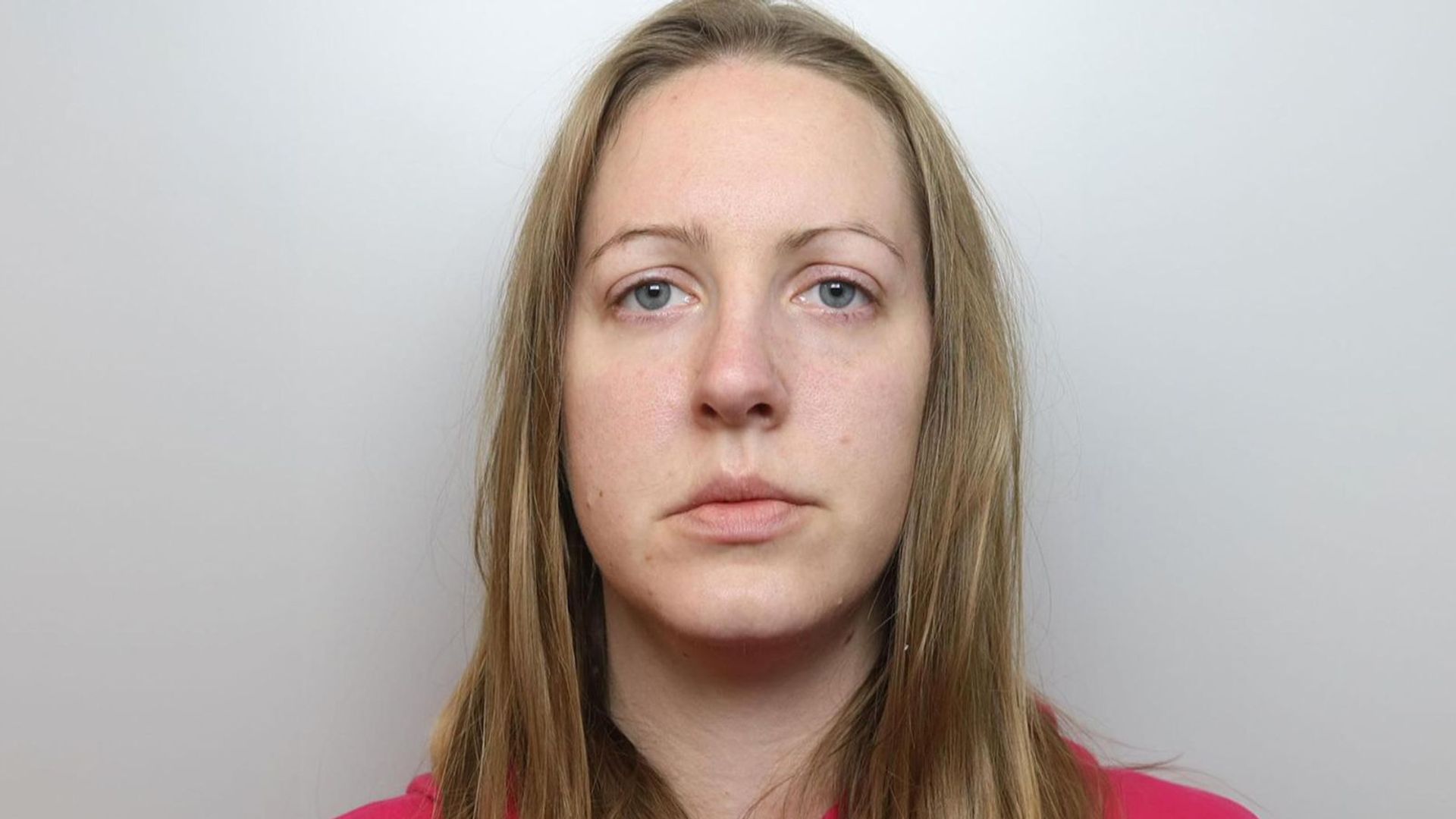
When the Crown Prosecution Service announced that former neonatal nurse Lucy Letby would face no additional criminal charges, it forced a sharp realization about the strict thresholds required for a criminal trial. Cheshire Police had spent months investigating extra allegations involving nine children across the Countess of Chester Hospital and Liverpool Women's Hospital, submitting a file of evidence that they genuinely believed met the standard for prosecution. Prosecutors disagreed.
Understanding the Evidential Test
The public often confuses police belief with prosecutorial certainty. Police officers gather intelligence and build investigative files, but the Crown Prosecution Service must apply a rigid two-stage test under the Code for Crown Prosecutors. They evaluate whether there is enough admissible evidence to provide a realistic prospect of conviction, and whether public interest demands a prosecution.
In Letby's case, the review covered two infant deaths and seven non-fatal collapses. Prosecutors concluded that the material simply did not clear the high bar required for a criminal court. Honest disagreement between investigators and lawyers happens more often than people think, but high-profile cases amplify every single friction point.
Why This Decision Matters Now
Letby is already serving multiple whole-life orders for murdering seven babies and attempting to harm six others between June 2015 and June 2016. Because she faces a lifetime behind bars with zero chance of release, extra charges would not alter her actual prison sentence.
Yet, the decision carries massive weight for the families involved. For parents seeking definitive answers about the safety of their children during that dark period, a lack of formal charges leaves an agonizing vacuum. Cheshire Police publicly acknowledged they didn't get the outcome they anticipated, highlighting the deep friction between what investigators suspect and what lawyers can legally prove beyond a reasonable doubt.
Separate Investigations Continue
The refusal to add new charges does not mean accountability efforts have stopped. Independent investigations looking into corporate manslaughter and gross negligence management at the Countess of Chester Hospital keep moving forward. Hospital leadership, systemic failures, and institutional responses remain under intense public scrutiny.
If you are following these legal developments, keep in mind that criminal law operates on absolute proof, not statistical suspicion. The legal system demands hard evidence that survives intense cross-examination, and when cases rely heavily on complex medical history, meeting that standard remains exceptionally difficult.
Lucy Letby CPS decision upheld
This video provides additional context regarding the legal challenges and ongoing court decisions surrounding the Lucy Letby case.


