Driving a multi-ton vehicle packed with over 2,000 pounds of illegal cargo across provincial borders sounds like a terrible gamble. Yet, people still try it.
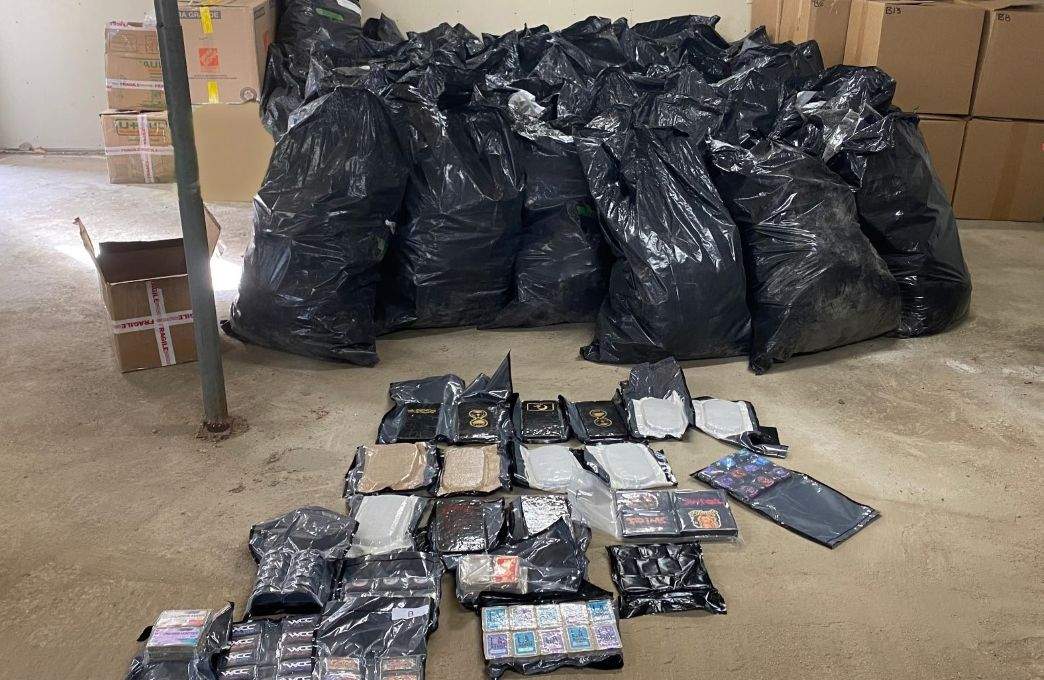
Take the recent bust by the Saskatchewan RCMP's Roving Traffic Unit. Officers pulled over an eastbound vehicle on Highway 1 near Maple Creek for a routine equipment violation. What started as a simple traffic stop turned into a massive drug seizure. The driver, a 56-year-old man from Rosedale, British Columbia named Istvan Mikula, claimed he was just driving from B.C. to Ontario. Police discovered a staggering 1,928 pounds of dried cannabis, 56 pounds of hashish, and 15 liters of THC resin hidden inside.
If you think moving illicit bulk cannabis across Canada is getting easier now that the plant is legal, you're missing the bigger picture. Law enforcement agencies have adapted fast. Specialized highway units treat the Trans-Canada Highway like a high-stakes filtering system, and drivers carrying tons of product are walking right into the trap.
The Reality of Highway 1 Enforcement
The Trans-Canada Highway is Canada's economic spine, but it's also a primary corridor for illicit trafficking. Teams like the Saskatchewan RCMP Roving Traffic Unit don't sit around waiting for 911 calls. They actively patrol, look for subtle equipment infractions, and watch driver behavior.
In Mikula's case, the stop began over a simple vehicle safety equipment violation. That is how most major contraband operations unravel. Smugglers often focus so heavily on hiding cargo that they neglect basic maintenance, expired tags, or minor traffic infractions. Once an officer pulls a vehicle over, legal grounds open up for a closer inspection. If driver answers feel evasive or vehicle contents look suspicious, things escalate quickly.
The sheer scale of the Maple Creek seizure highlights an ongoing logistical pipeline moving product from the West Coast to central and eastern markets. British Columbia has long-standing legacy and illicit production networks that dwarf local demand. Moving that surplus east remains a lucrative temptation for organized distribution networks, despite the massive risks.
What Shifting Markets and Seizures Mean for Buyers
Federal legalization was supposed to choke out the black market. Years later, underground supply chains still operate because price points and tax structures keep illicit channels alive. Legal dispensaries face strict regulatory costs, testing requirements, and excise taxes. Illicit producers undercut those prices significantly, creating a continuous incentive for cross-country smuggling operations.
However, moving literal tons of product in a single vehicle is high-risk, low-reward over the long term. Losing a two-thousand-pound payload worth hundreds of thousands of dollars cripples a distribution chain overnight.
Mikula is now facing serious charges under the federal Cannabis Act, including possession of illicit cannabis for the purpose of distribution, alongside possession of cannabis derivatives and proceeds of crime. He is scheduled to face a provincial court appearance in Maple Creek. When you look at the track record of these highway intercepts, the math rarely works out for the couriers behind the wheel. Specialized traffic units catch loads like this with surprising frequency, proving that driving cross-country with a commercial-scale stash is a fast track to a prison cell.