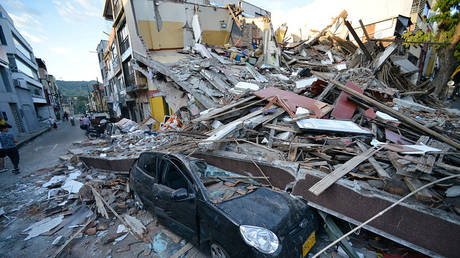
When a massive 7.4-magnitude earthquake struck western Colombia, shattering concrete, flattening residential blocks, and sending panicked citizens scrambling into the streets, corporate priority malfunctioned in the most grotesque way imaginable. Reports and verified footage emerged showing employees at operations run by foreign corporate entities being physically blocked, threatened, or explicitly warned against fleeing their workstations as the earth tore open beneath them.
This is not simply a failure of emergency protocol. It is an indictment of modern operational management systems that treat human capital as disposable inventory.
The Anatomy of Forced Compliance
Modern corporate environments, particularly outsourced administrative centers, manufacturing hubs, and multinational operations spread across Latin America, function on strict hierarchical obedience. When disaster strikes, middle management faces an immediate psychological conflict. They fear the wrath of regional directors or corporate headquarters more than they fear an active seismic event.
Witness accounts from affected hubs like Cali and Pereira highlight an alarming trend. Supervisors locked exit doors, threatened payroll deductions, or insisted that client service level agreements superseded physical survival.
- Production continuity metrics were prioritized over human evacuation paths.
- Asset protection protocols superseded employee safety directives.
- Fear of financial penalties dictated real-time crisis response behavior.
The rationale driving these decisions is rooted in cold, calculated optimization. To a distant executive team sitting in a secure high-rise thousands of miles away, an evacuation means lost minutes, dropped metrics, and potential client dissatisfaction. To the worker on the ground, those same minutes represent the narrow threshold between life and death.
The Myth of Emergency Preparedness
Corporations love compliance binders. Every multinational operating in seismic zones maintains exhaustive safety manuals detailing evacuation routes, assembly points, and designated floor wardens. These documents look exceptional during annual audits. They fail spectacularly when human judgment is overridden by corporate culture.
When the tremors began, employees report being told that leaving their desks without authorization would be treated as job abandonment. Consider the psychological weight placed on an underpaid, precarious worker in a developing economy. Refusing an order means risking livelihood. Complying means risking burial under collapsing masonry.
"We saw the walls cracking and the ceiling tiles raining down, but the team leads were screaming at us to stay logged in and hold our positions," said one survivor from a commercial facility caught in the chaos.
This dynamic exposes a profound governance failure. Companies that demand absolute obedience during normal operations inadvertently cultivate a dangerous paralysis during emergencies. Employees have been conditioned not to think, not to act independently, but to wait for permission. When permission to save your own life is withheld by a terrified mid-level manager trying to protect quarterly metrics, catastrophe follows.
Legal Liabilities and the Global Supply Chain Blind Spot
Multinational corporations often hide behind local subsidiaries and third-party contractors to insulate themselves from liability. When workplace safety violations occur overseas, tracing accountability back to Western boardrooms requires cutting through layers of corporate shell structures and contractual buffers.
Yet, international human rights frameworks and domestic labor laws are increasingly targeting these blind spots. Forcing employees to remain inside structurally compromised buildings during a major natural disaster crosses the line from mere corporate negligence into reckless endangerment.
Insurance investigators and labor rights advocates are now examining the corporate communications sent to these regional offices in the hours leading up to and immediately following the quake. Did upper management issue blanket directives prioritizing operational uptime over life safety? Did local facilities lack independent seismic shut-off systems that remove human discretion entirely from the evacuation process?
The answers to these questions will dictate whether this disaster serves as a watershed moment for corporate accountability or merely another tragedy swallowed by the 24-cycle news machine.
Re-Engineering the Workplace Ethic
Fixing this systemic rot requires an aggressive overhaul of how multinational corporations manage risk in vulnerable regions. Safety protocols must be decoupled from managerial discretion. If an earthquake sensor triggers or ground acceleration surpasses safety thresholds, automated alarms must override local operational controls, unlocking every exit immediately.
Furthermore, whistleblower protections must be expanded to shield employees who walk out of dangerous situations, regardless of what corporate handbook guidelines suggest. No contract, no service level agreement, and no profit margin justifies trading human lives for uninterrupted data streams.
The rubble in Colombia is still being sifted. Families are still waiting for news. The corporations responsible for locking doors and threatening fleeing workers must face the full weight of legal reckoning, public condemnation, and regulatory scrutiny. Survival should never require permission.
Workers prevented from leaving their jobs during the earthquake in Colombia
This video documents raw footage and firsthand accounts of workers being restricted from evacuating during the seismic event, illustrating the immediate workplace dangers discussed.
http://googleusercontent.com/youtube_content/1