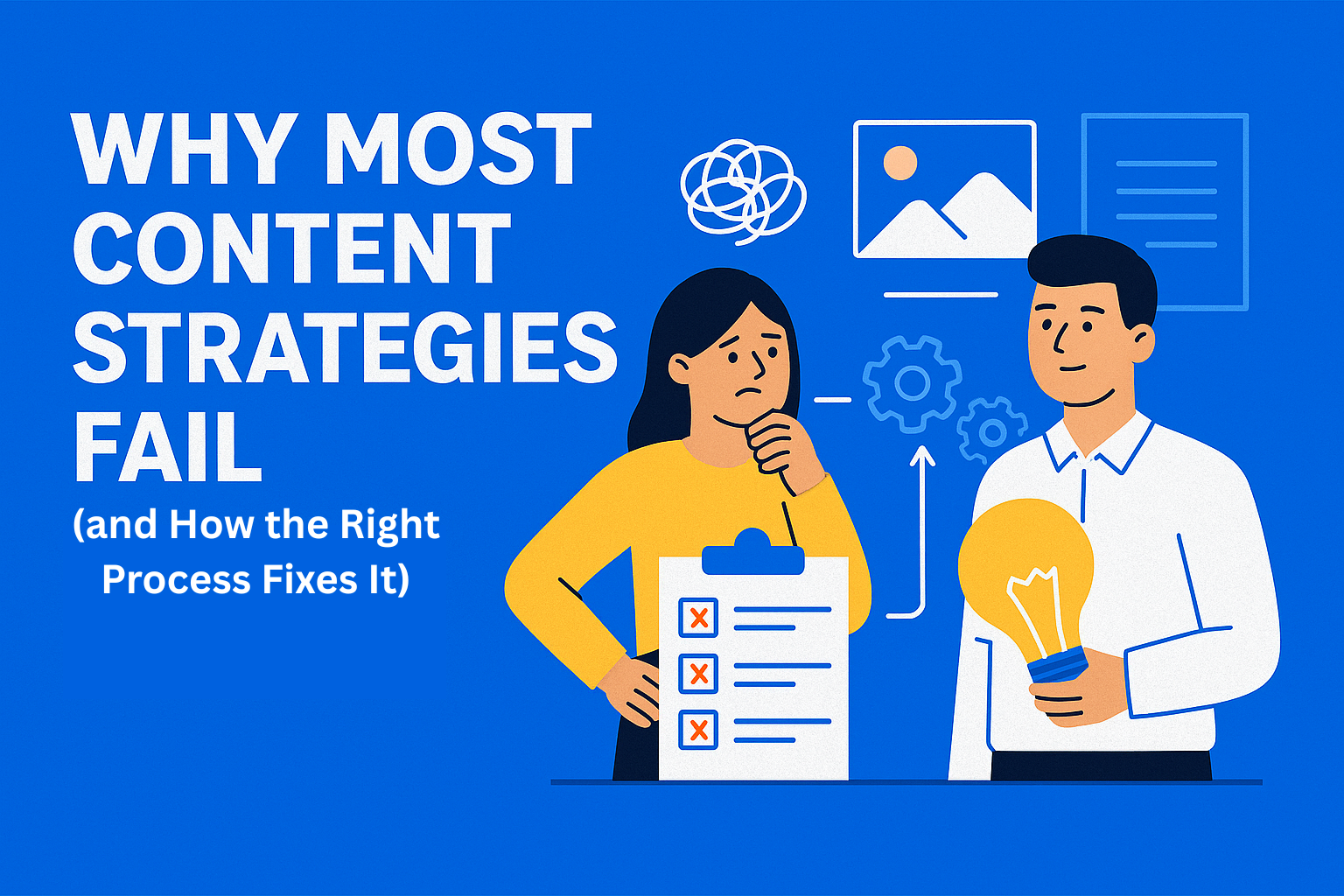
Everybody wants to build an audience. Almost nobody wants to do the boring, gritty work required to keep one. You've probably read dozens of guides telling you to post daily, chase algorithms, or hook readers with dramatic promises. Most of that advice is garbage. It treats publishing like a slot machine instead of a craft.
When you look at what actually works online, you notice a massive gap between the noise and the substance. Brands and creators churn out millions of pieces of content every single day, yet attention spans shrink. Why? Because the output is hollow. It sounds like a machine wrote it, it offers no real perspective, and it wastes the reader's time. If you want to cut through the static, you have to throw out the playbook that everyone else is following.
The Trap of Volume Over Value
The internet has an obsession with output. Agencies tell you that you need five blog posts a week, twenty tweets a day, and a constant stream of short-form video. They preach consistency as if churning out mediocre junk on a strict schedule will somehow magically convert into revenue. It won't.
I've watched companies burn through tens of thousands of dollars paying writers to pump out superficial listicles. The traffic metrics look fine for a month or two, but the conversion rates stay flat at zero. Nobody shares a generic summary of a topic they already understand. People share things that make them feel smart, angry, or deeply understood.
If your strategy relies entirely on volume, you're competing in a race to the bottom against automated text generators. You can't out-produce a machine. What you can do is out-think one.
Writing With Real Skin in the Game
Real authority comes from experience. If you haven't made mistakes in your field, you don't have enough scar tissue to write anything worth reading. Readers have an internal radar for authenticity. They can smell corporate polish from a mile away, and they hate it.
When you share what actually went wrong—the client who ghosted, the campaign that completely bombed, the software update that broke your workflow—people pay attention. That vulnerability builds trust faster than any polished case study ever could.
- Stop hiding behind passive voice. Own your opinions.
- Share exact numbers when you have them, and admit when you're guessing.
- Stop trying to appeal to everybody. If your work isn't alienating someone, it's probably too boring to matter.
Most content fails because it tries to offend no one. By playing it safe, you make your work completely forgettable.
Designing Content Architecture That Holds Up
Great writing isn't just about stringing clever sentences together. It's about structure. If a reader lands on your page and sees a giant wall of text, they're bouncing back to Google within three seconds.
You need to break up the rhythm. Mix short, punchy statements with longer, explanatory thoughts. Give the brain a chance to breathe. Use clear headings that actually describe what is happening in the section rather than leaning on cute puns.
Why Formatting Dictates Readership
Think about how you read on your phone while standing in line for coffee. You scan. You look for bold text, bullet points, and distinct visual breaks. If a writer demands your undivided, unbroken concentration for two thousand words without giving you a structural anchor, you check out.
Structuring your thoughts properly means respecting your reader's time. Get to the point. Answer the primary question in the first few paragraphs instead of burying the lead behind a lengthy, unnecessary introduction about the history of the industry.
Escaping the Generic Advice Cycle
We need to talk about the obsession with shortcuts. Every few months, a new trend emerges promising that you can automate your entire content operation with a few clever prompts. People buy into it because everyone wants an easy win.
The problem is that when everyone uses the same templates, everything starts looking identical. The same stock phrases, the same predictable structures, the same hollow optimism. It creates a digital wasteland where individuality goes to die.
If you want to build a lasting presence, you have to double down on the things that cannot be easily copied. Your specific point of view. Your personal anecdotes. Your willingness to take a hard stance against conventional wisdom.
What to Do Right Now
Stop planning your next ten campaigns for a moment. Look at what you published last month. Find the piece that performed the worst, figure out why it felt flat, and rewrite it with actual opinions instead of safe generalizations.
Cut out the filler words. Delete every instance of corporate jargon. If a sentence doesn't advance your argument or teach the reader something concrete, chop it out without mercy. Build a habit of saying what you actually mean, even if it goes against what the current marketing gurus are preaching.
The internet rewards people who have a distinct voice and refuse to water it down. Pick your angle, state your case, and stop worrying about whether everyone is going to like it.


