Driving through Joshua Tree National Park feels like stepping onto another planet. The twisted, spiky trees, the massive boulder piles, and the vast desert expanse pull millions of visitors every year. But beneath the breathtaking sunsets and the steady hum of tourist cars lies a brutal reality. State Route 62 and the local highways cutting through the park act as lethal barriers for local wildlife.
Animals like desert tortoises, bighorn sheep, and kit foxes try to cross the asphalt every single day. Most don't make it.
Traditional conservation methods rely heavily on roadkill counts, wildlife cameras, and sheer guesswork to figure out where animals cross and where they die. That system is broken. Counting dead animals tells you where a disaster already happened, but it doesn't help you prevent the next one.
Enter the conservation detection dogs.
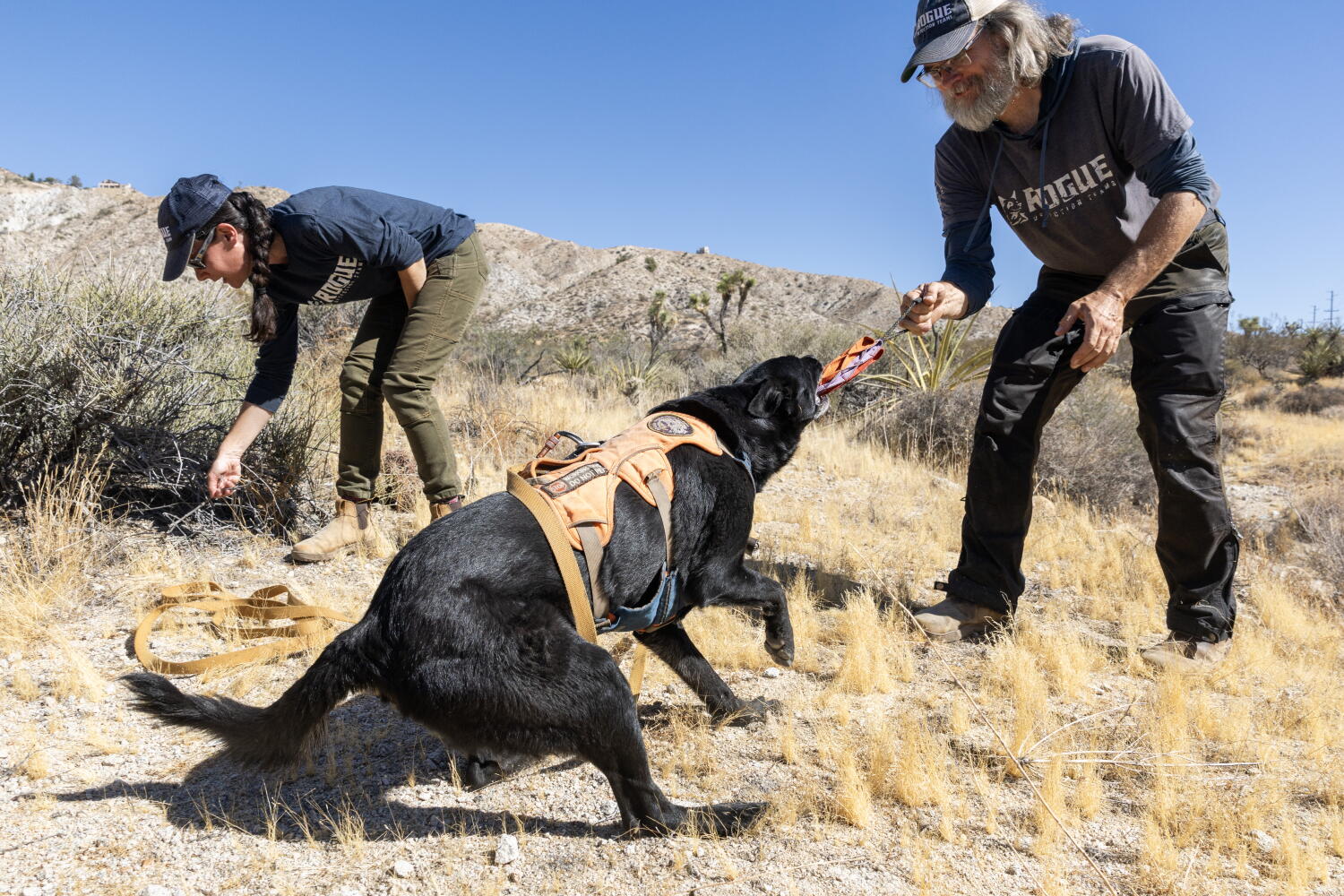
These aren't your average pets. They are high-drive rescue dogs specifically trained to sniff out scat—animal poop—rather than drugs or explosives. By tracking down scat left behind by desert species, scent-detection dogs give researchers precise maps of wildlife movement corridors. This helps highway planners figure out exactly where to install wildlife overpasses, underpasses, and fencing before more animals end up as statistics.
The Problem With Asphalt and Wildlife
Roads carve up natural habitats into isolated patches. When a highway splits a desert ecosystem in half, animals face a terrible choice. Stay put and risk inbreeding and dwindling resources, or cross the road and risk getting hit by a speeding vehicle.
Joshua Tree is growing fast. Gateway communities like Yucca Valley and Twentynine Palms see heavy commuter and tourist traffic. Vehicles routinely barrel down these desert highways at speeds well above fifty miles per hour. At night, headlights blind nocturnal creatures like kit foxes and owls, freezing them in the path of oncoming cars.
For years, agencies tried to manage this by putting up warning signs. Drivers ignore them. Then came wildlife fencing, but fences built without knowing exact migration paths just trap animals or force them into even more dangerous areas.
Researchers needed a better way to understand how animals navigate the pavement. They needed data on live animals moving through the landscape, not just post-mortem counts on the shoulder of the highway.
Why Scat Detection Beats Cameras and GPS
You might wonder why scientists don't just use trail cameras or GPS collars. Both tools have serious blind spots.
Trail cameras only capture what happens directly in front of the lens. If an animal crosses ten feet to the left of the camera, it misses the shot entirely. Furthermore, cameras are expensive, vulnerable to extreme desert heat, and frequently stolen or vandalized by park visitors.
GPS collars provide incredible data, but catching desert bighorn sheep or elusive tortoises to collar them is stressful for the animals and wildly expensive for cash-strapped conservation groups.
Scat is different. Poop tells a story.
A single pile of scat reveals:
- Which species passed through the area
- The individual animal's genetic profile via DNA extraction
- Stress hormone levels
- What the animal ate recently
Dogs can smell this evidence across vast distances, even when the scat is buried in sand or weathered by the harsh sun. While a human researcher might walk right past a tiny tortoise dropping on a rocky slope, a trained detection dog locks onto the scent cone from yards away.
Meet the Canine Conservationists
The dogs doing this work usually come from animal shelters. They aren't purebred working lines hand-picked from elite breeders. Instead, trainers look for dogs with an obsessive, relentless toy drive.
If a dog will destroy a tennis ball in three seconds flat, rescue groups flag it as a prime candidate for conservation work.
In the field, these dogs don't care about the science. They care about their reward. When a dog finds a fresh sample of bighorn sheep scat, it freezes or sits, staring intently at the target. The handler immediately steps in, praises the dog wildly, and throws a brightly colored toy. To the dog, the entire operation is just an intense game of fetch.
Working in Joshua Tree presents unique challenges for these dogs. Summer temperatures soar past 100 degrees Fahrenheit. The ground bakes until it can burn paw pads. Sharp cholla cactus joints wait to ambush unwary paws, and rattlesnakes are a constant hazard.
Handlers have to manage these risks carefully. Dogs work during the coolest parts of the morning, wear protective boots when necessary, and drink electrolyte-enhanced water from portable bowls. Their safety comes first, because a dehydrated dog can't smell a thing.
How the Data Changes Highway Planning
Once the dogs locate the scat, human researchers log the GPS coordinates and collect a small sample in a vial. Back in the lab, geneticists extract DNA to identify specific individuals.
Plot these points on a map, and clear patterns emerge.
You start to see the exact washes and arroyos where desert tortoises cross under the road, or the rocky ridges where bighorn sheep attempt to navigate traffic.
This is where the real work begins. Armed with concrete data, conservationists can lobby the California Department of Transportation to build wildlife crossings in the right spots.
We already know these structures work when placed correctly. In other states and countries, wildlife overpasses draped in native vegetation have reduced animal-vehicle collisions by over eighty percent. Animals adapt quickly. Once they realize a safe bridge or culvert exists, generations pass down that knowledge.
Without the dogs, planners would have to guess where to spend millions of dollars on fencing and bridges. Guessing is an expensive way to save an ecosystem.
What You Can Do on Your Next Desert Trip
If you care about the wildlife sharing the desert with us, your behavior behind the wheel matters.
Slow down, especially at dawn and dusk when desert animals are most active. Watch the shoulders of the road. If you see brake lights ahead, ease off your own gas pedal immediately. Someone might be slowing down to let a tortoise cross the asphalt.
Support local conservation groups funding these canine programs. Organizations like the Mojave Desert Land Trust and various wildlife corridors projects rely heavily on donations to keep detection teams in the field.
The next time you cruise past a Joshua Tree sign on the highway, remember what is happening just out of sight. Beneath the tourist photos and the campfires, a small army of rescue dogs is working to make sure the desert's original residents survive the modern world.