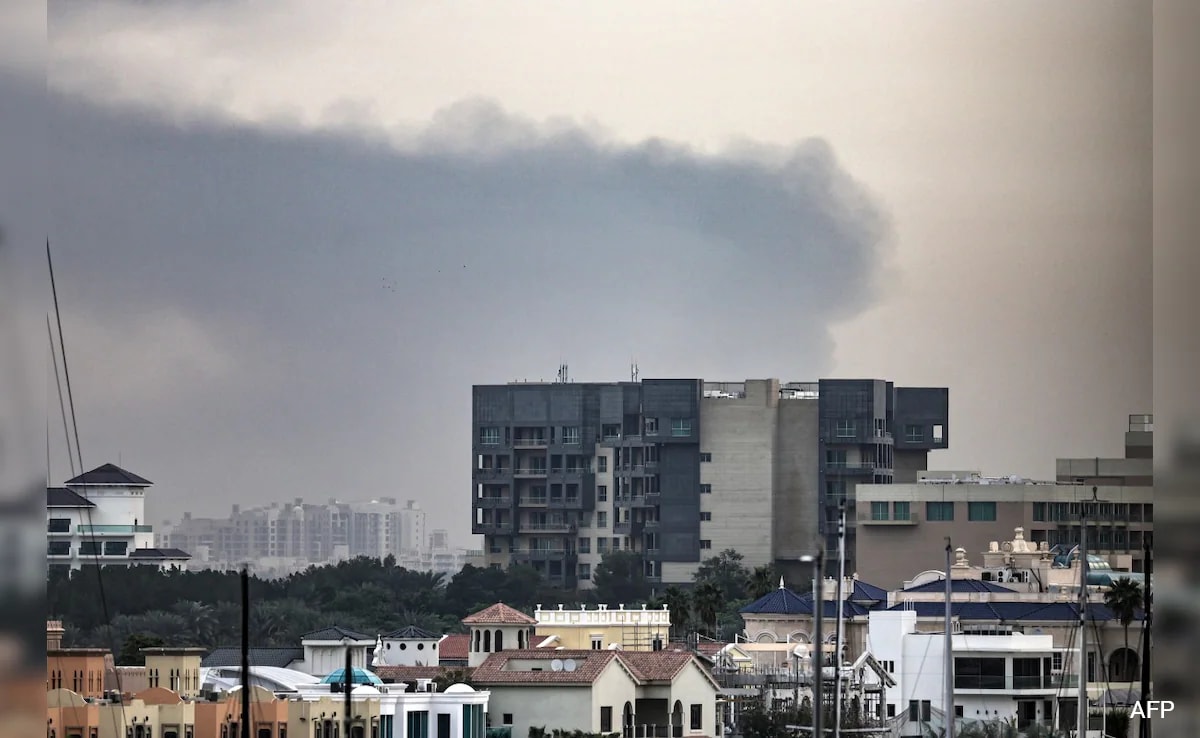
The sound of a city usually hums in a predictable frequency. In Beirut, that frequency is a chaotic blend of scooters weaving through traffic, the rhythmic clink of espresso cups, and the distant, melodic call to prayer. But there is a specific kind of silence that precedes the breaking of a city. It is a vacuum. A momentary gasp for air before the world turns into gray dust and jagged rebar.
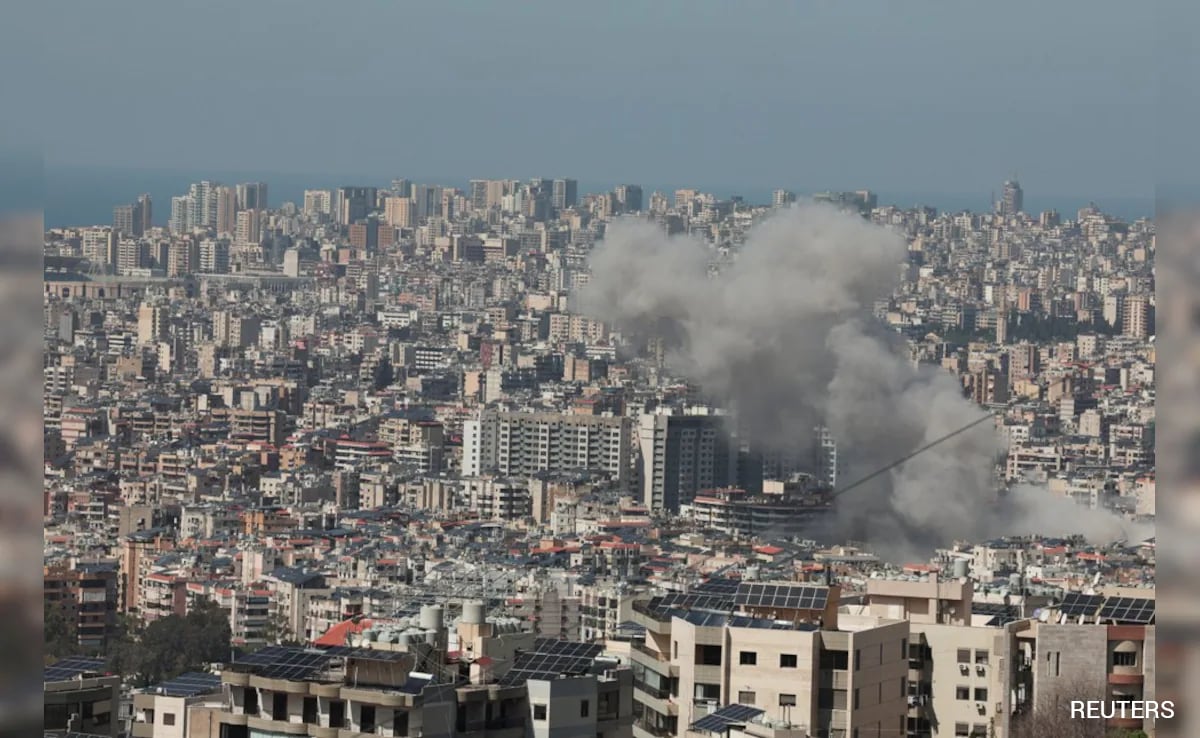
When the missiles struck the Bachoura district in the heart of central Beirut, that silence was replaced by a roar that didn’t just fill the ears—it vibrated through the marrow of bones. This wasn't the southern suburbs or the border towns that have grown accustomed to the shadow of war. This was the core.
Six people did not go home that night.
To the world, they are a statistic in a scrolling news ticker. "At least 6 killed." The number is small enough to be digested between bites of dinner, yet large enough to justify a headline. But numbers are a lie we tell ourselves to make the unbearable measurable. A number doesn't tell you about the smell of scorched upholstery or the way a half-finished cup of tea sits on a table in an apartment that no longer has a north wall.
The Geography of a Nightmare
Bachoura is not a place of sprawling military complexes. It is a neighborhood of narrow streets and history, located a stone's throw from the Lebanese Parliament and the United Nations headquarters. It is the kind of place where grandfathers sit on plastic chairs to watch the world go by. When the strikes hit a multi-story building housing a health center linked to the Islamic Health Organization, the geography of safety in Lebanon shifted instantly.
Precision is a word used by generals in air-conditioned rooms. On the ground, precision looks like a surgical extraction of a building's soul. The strike, according to Lebanese officials, was carried out by Israel using phosphorus munitions in some areas—a claim that adds a chemical sting to an already burning wound. International law regarding the use of such substances is clear and complex, but to the person breathing in the acrid smoke, the legality is a distant, meaningless abstraction.
Consider the building itself. It wasn't just a structure; it was a vertical village. People lived above the clinic. They slept in rooms where they had taped their windows to prevent shattering, a desperate, fragile ritual of modern warfare. When the strike landed, those strips of tape did nothing. The force of the blast turned glass into a thousand tiny daggers, and the heavy concrete floors, designed to hold the weight of families and furniture, became a crushing weight.
The Invisible Stakes of Centrality
For months, the conflict had a perimeter. There was a grim understanding—a set of "rules" that neither side admitted to but both seemed to follow. The fighting stayed mostly in the south or in the Bekaa Valley. Then, the perimeter dissolved.
When the heart of a capital city is struck, the message isn't just about the target. It’s about the vulnerability of everything else. It tells the shopkeeper in Hamra and the student in Achrafieh that the walls of their homes are thinner than they thought. The psychological toll of a strike in central Beirut is a ripple effect that destabilizes the mental health of an entire nation. It erases the concept of a "safe zone."
Imagine a father who moved his family from the south to central Beirut, thinking the proximity to government buildings and international embassies would act as a shield. He spent his life savings on a temporary rental, a small price to pay for the breath he could finally take without looking at the sky. Then, the sky opened up anyway. That man doesn't just lose a roof; he loses the belief in his own ability to protect his children. That is the invisible stake of this escalation.
The Human Cost of a Ticker Tape
We often speak of "targeted strikes" as if they occur in a vacuum, but every strike leaves a ghost. The six people killed in Bachoura were part of a larger, terrifying tally. In less than two weeks, over 1,000 people in Lebanon have been killed. Over 6,000 have been wounded. These are not just casualties; they are a hole in the fabric of a society already frayed by economic collapse and political paralysis.
The rescuers—members of the Lebanese Civil Defense and the very health organizations being targeted—work in the dark. Beirut’s electricity is a fickle ghost at the best of times. Under the threat of follow-up strikes, they dig through the rubble with flashlights and bare hands. They aren't looking for "operatives" or "assets." They are looking for the person who lived in 4B. They are looking for the woman who ran the pharmacy on the corner.
The irony is thick and bitter. The facility hit was a health center. In a time of war, a health center is a sanctuary. When the sanctuary becomes the site of the wreckage, the message to the public is one of total abandonment. Where do you go when the place meant to heal you is the place where you die?
The Mechanics of Escalation
The strikes in Beirut occurred alongside intense ground skirmishes in the south. The Israeli military reported the deaths of eight soldiers in those border fights, the first major losses since the ground incursion began. War is often described as a chess match, but in a chess match, the pawns don't have mothers. The escalation is a feedback loop of grief. A loss on one side fuels a strike on the other, which in turn demands a "response."
In this loop, the "core facts" often get lost. We focus on the how—the types of missiles, the flight paths, the military objectives. We rarely focus on the why of the survivor.
The survivor is left to navigate a city that is being redrawn by fire. They have to decide if they should stay in a building that might be next, or flee to a street that might be even more dangerous. They have to explain to a child why the thunder didn't come with rain.
Beyond the Rubble
The international community watches with "grave concern," a phrase that has become the white noise of the 21st century. Diplomatic statements are drafted in elegant prose, calling for restraint while the concrete is still warm from the blast. But restraint is a luxury that those under the flight path cannot afford.
The Bachoura strike is a pivot point. It signals that the interior of the city is no longer a spectator to the war on its borders. The "at least 6" are the messengers of a new, darker reality. They are the evidence that the war has moved from the outskirts into the living rooms.
As the sun rises over Beirut, the smoke from Bachoura mingles with the morning mist. The city tries to wake up. It tries to find that old frequency—the scooters, the coffee, the prayer. But the hum is different now. It is higher, thinner, and laced with a jagged edge of fear.
The rubble in Bachoura will eventually be cleared. The "at least 6" will be buried. The news cycle will move to the next explosion, the next number, the next "targeted" success. But in the quiet moments, when the drones are buzzing overhead like mechanical mosquitoes, the people of Beirut will remember the night the center didn't hold.
A shoe lies in the middle of the street, a few blocks from the site. It is a child's sneaker, white with blue stripes, perfectly intact except for a coating of fine, gray dust. It sits there, unclaimed, a small, silent monument to a night when the world's eyes were on the coordinates, but the heart of the city was under the debris.