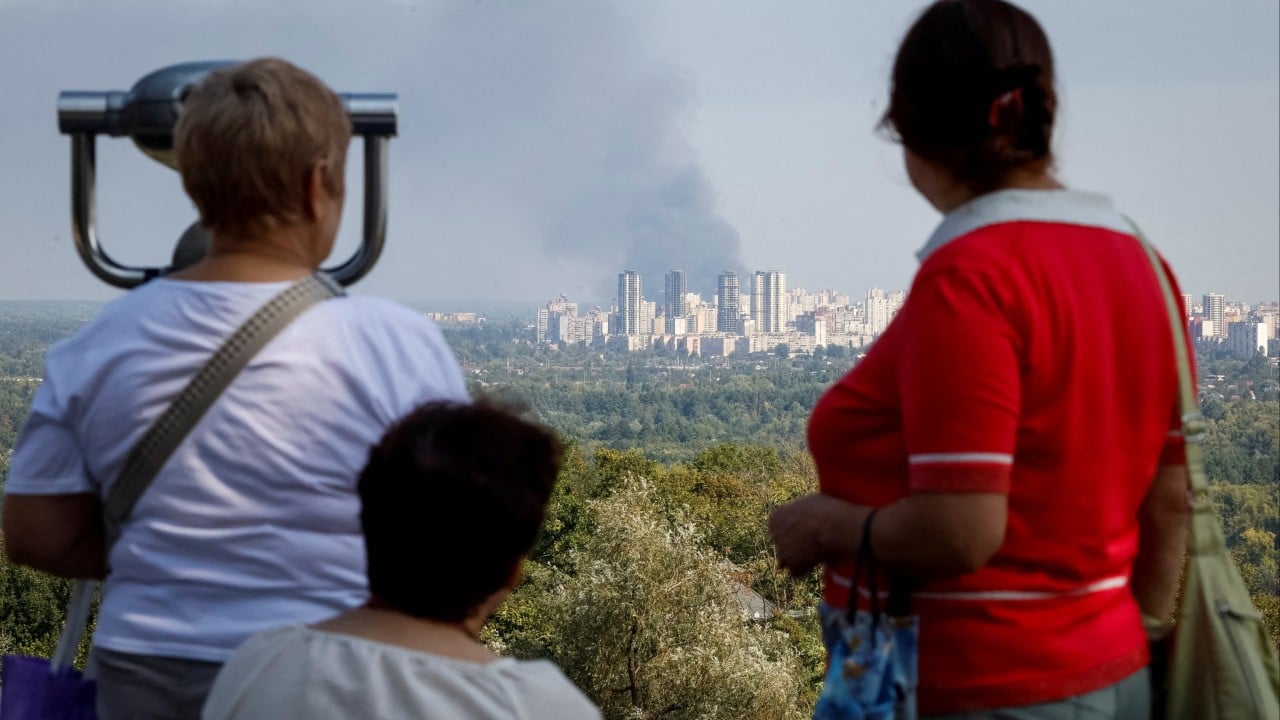
The dust of Mission Valley does not settle easily. It hangs in the hot California air, catching the amber glow of tailights crawling along Interstate 8, a fine film of grit that settles on the dashboards of commuters who have lived here long enough to remember when this basin smelled of dairy farms rather than freshly poured asphalt.
Progress has a way of arriving with a bulldozer and an exemption.
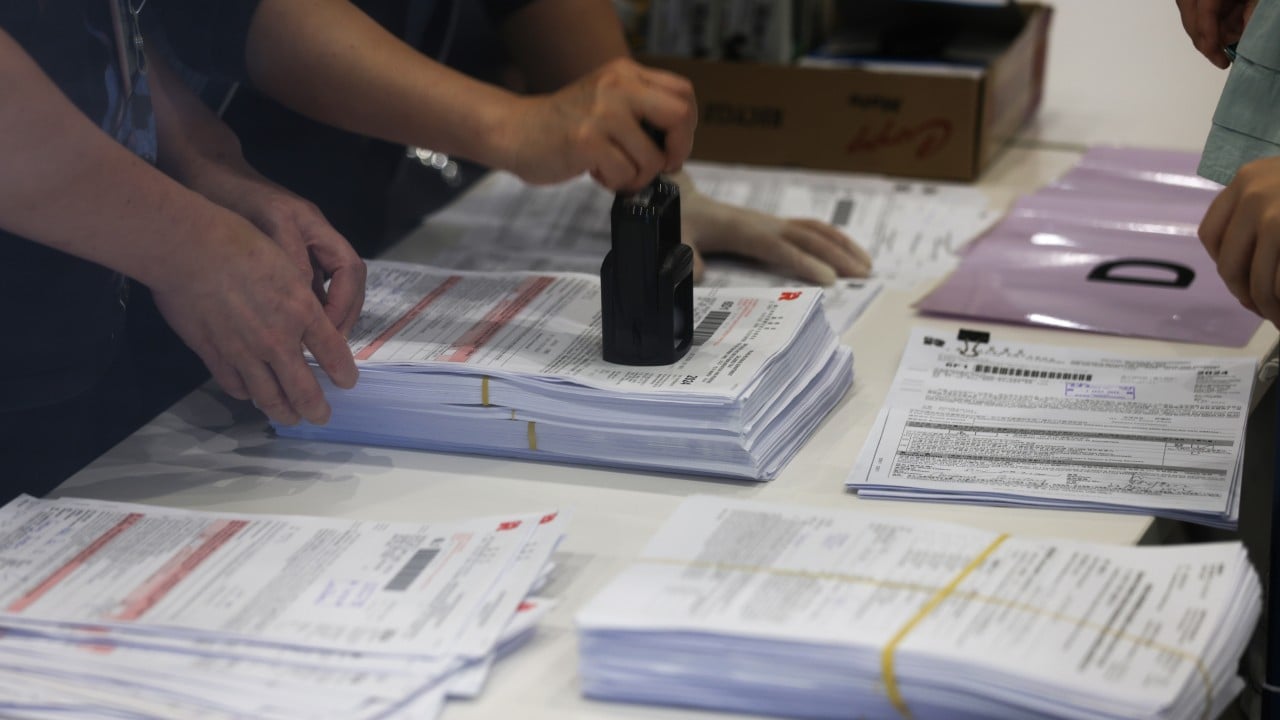
State lawmakers recently carved out a specialized exemption, a quiet legal bypass ensuring that a massive new stadium project in San Diego can bypass the grueling, friction-heavy hurdles of traditional environmental review. On paper, it is a matter of statutory efficiency. Expediting permits. Streamlining development. Cutting through red tape to deliver a modern sporting venue.
To understand what that exemption actually means, you have to stand on the sidewalk near Snapdragon Stadium on a Tuesday afternoon when the heat radiates off the pavement in visible shimmers.
Meet Elena. (This is a hypothetical portrait grounded in the actual experiences of neighborhood residents.) She lives three blocks away from the construction zone, in a modest stucco home her parents bought in 1984. When the wind blows from the east, she hears the steady, concussive thrum of pile drivers. Her windows rattle. Her dust rags come away gray every single morning. She isn't inherently opposed to sports, or cheering crowds, or the economic pulse of a packed arena. But she remembers the promise made a decade ago when the old stadium was demolished. She remembers the assurances that the community surrounding the basin would be protected from the crushing weight of gridlock, air pollution, and unchecked urban density.
Instead, the rules changed.
When legislators step in to grant an environmental carve-out, they are not merely trimming administrative fat. They are short-circuiting the California Environmental Quality Act, a foundational statute born out of the smoggy, congested 1970s. That law was designed with a simple, obstinate premise: before you pave paradise, you must measure the cost. You must count the tailpipes. You must calculate the gallons of stormwater runoff. You must look the people who live downwind in the eye and prove that their air will still be breathable when the stadium lights flip on.
An environmental carve-out says those questions take too long to answer.
Stadiums are secular cathedrals. They command loyalty, municipal pride, and billions of dollars in private and public capital. They promise jobs, revenue, and a glittering nightlife that makes a city feel relevant on national broadcasts. But spectacles require sacrifice, and the bill is rarely paid by the executives sipping cold brew in glass-walled boardrooms overlooking the construction site. It is paid by the Elenas of the world. It is paid by the migratory birds losing their resting spots along the riverbed. It is paid by the invisible cumulative strain on an electrical grid already gasping under summer heatwaves.
Consider what happens when a legal safeguard is labeled a bottleneck. To a developer, a lawsuit filed by a local neighborhood coalition over traffic mitigation is a delay costing tens of thousands of dollars a day. To a mother with an asthmatic child, that exact same lawsuit is the only thing standing between her family and a permanent wall of diesel exhaust idling on game days.
The state house in Sacramento operates at a high altitude. From that distance, the map of San Diego looks clean, geometric, and manageable. Lines are drawn, votes are tallied, and exceptions are carved out with the stroke of a pen. But politics is local down where the rubber meets the shredded asphalt.
We are told that exceptions are necessary for exceptional projects. We are told that modern engineering can mitigate any impact, making formal environmental reviews redundant relics of bureaucratic sluggishness. Yet, trust is a fragile commodity in municipal development. Every time a shortcut is legalized, every time a standard is lowered to accommodate a timetable, a silent bargain is struck between the city and its citizens. The city gets its shiny monument. The citizens get the noise, the asphalt, and the lingering suspicion that their neighborhood was traded away in a backroom compromise.
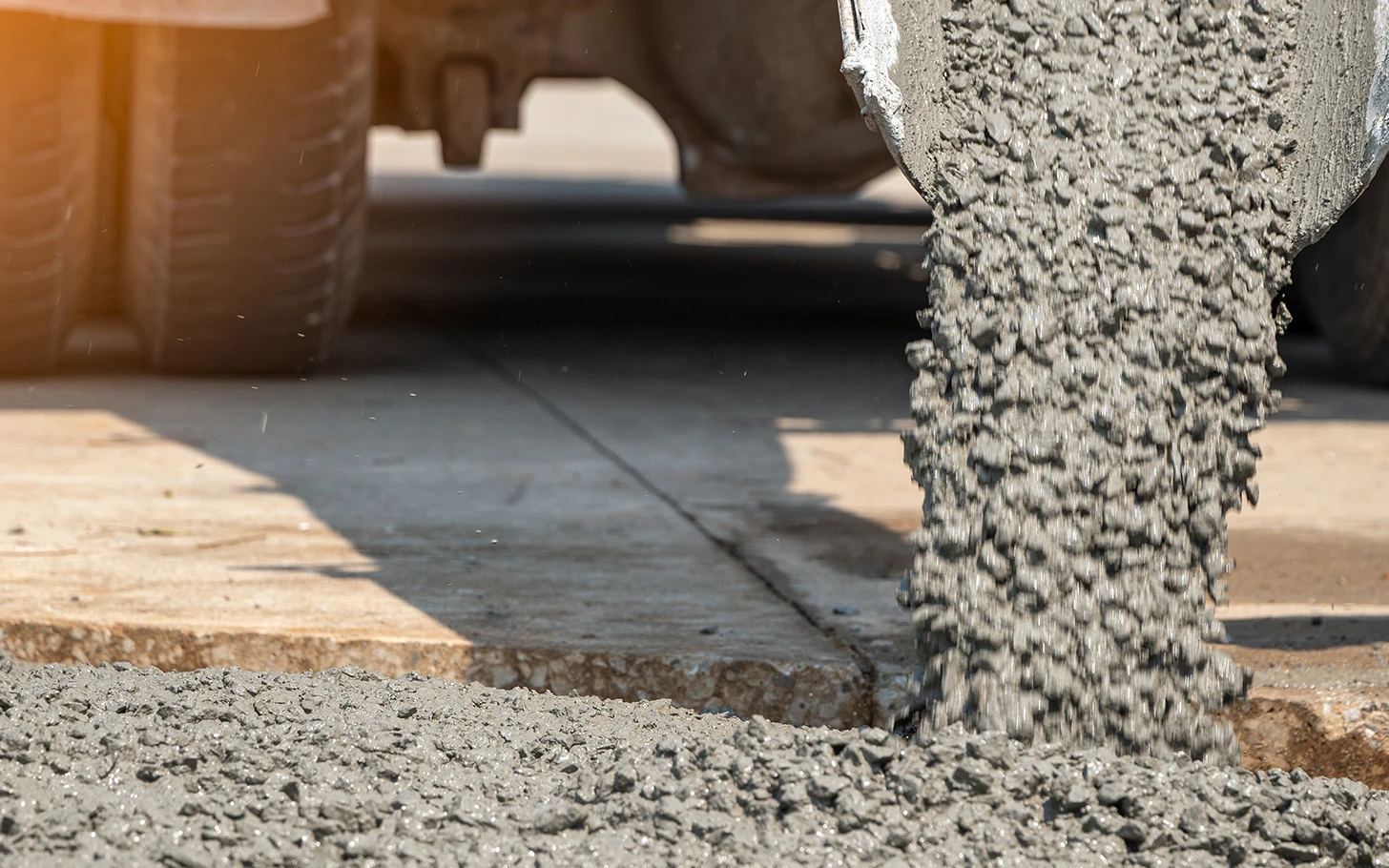
The cranes will keep turning tomorrow morning. The concrete trucks will rumble down the off-ramps, spilling fine gray dust across the windshields of idling cars. Somewhere inside the perimeter fence, workers will weld steel beams into place, framing up the upper deck where fifty thousand screaming fans will eventually stand to watch a game.
The stadium will rise. It will be magnificent, loud, and brilliantly lit against the dark California sky. But long after the final nail is driven and the ribbon is cut, the question will remain suspended in the air above Mission Valley, lingering like the dust on Elena's windowsill. Who are cities actually built to shelter?