Twenty feet beneath the surface of the Atlantic, just off the sun-bleached stretch of Miami Beach between fourth and fifth streets, twenty-two concrete automobiles sit trapped in a perpetual traffic jam. Conceptualized by artist Leandro Erlich and deployed as the inaugural phase of the ambitious seven-mile public art initiative known as the ReefLine, these marine-grade monoliths are more than a surreal tourist attraction for snorkelers. They represent a desperate, calculated marriage of municipal infrastructure and marine biology designed to fight coastal erosion.
For decades, the standard playbook for coastal defense involved dumping millions of dollars of offshore sand onto eroding beaches—a recurring, multi-million-dollar exercise in treading water. The ReefLine changes that calculus by turning public art into an artificial barrier reef. Each life-size vehicle sculpture has been embedded with specialized plugs. Marine biologists from the Miami Native Coral Lab have hand-screwed over two thousand nursery-grown soft corals onto the hoods and roofs of these submerged sedans.
The Engineering Behind the Submerged Metaphor
Critics often dismiss underwater art installations as expensive greenwashing for municipal PR departments. Decades of poorly planned artificial reefs—such as the infamous Osborne Tire Reef disaster off the coast of Broward County in the 1970s—taught marine scientists hard lessons about the dangers of dumping debris into delicate marine ecosystems. Tires bonded poorly, broke loose during storms, and scraped away existing natural coral instead of nurturing new growth.
Erlich's project avoids those historical pitfalls through uncompromising material science. The cars are cast from high-density, pH-neutral marine concrete, providing a stable, alkaline substrate that allows coral polyps to calcify and anchor securely.
Placing them was an exercise in extreme marine logistics. Working from a 160-foot construction barge, commercial crane operators had to account for underwater currents where a six-inch shift on the surface translates to three erratic feet of movement on the seafloor. Divers marked precise GPS grids on a barren stretch of sand that was originally smothered by decades of coastal dredging.
Biology Meets Municipal Policy
The choice of automobiles as the structural medium carries heavy irony. South Florida is defined by asphalt arteries and endless gridlock, systems that pump billions of tons of carbon into the atmosphere and accelerate the very warming trends threatening the coastline.
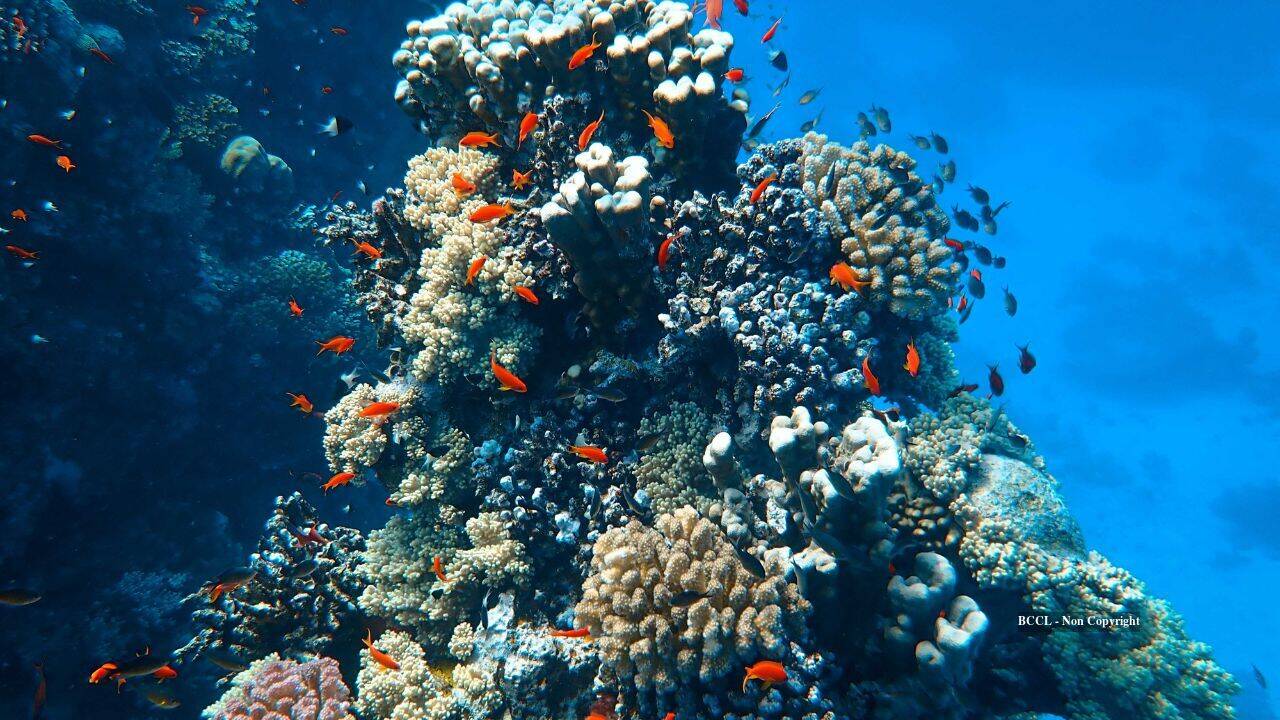
Yet, biological reality quickly overrides artistic conceptualism once the crane cables are detached. Within days of deployment, local populations of grunts, mojarras, and French angelfish began investigating the shadowy cavities of the concrete vehicles. Over the next five years, as gorgonian soft corals grow four to eight inches annually, these artificial frames will completely vanish under a dense canopy of marine life.
This biological expansion serves a distinct protective function. Barrier islands like Miami Beach rely on offshore topography to absorb the raw kinetic energy of Atlantic storm surges. Healthy, branching soft corals act as natural speed bumps for incoming waves, diffusing their power before they slam into the shore.
Financing the Coastline's Future
Art installations of this scale demand heavy capital. The initial phases of the ReefLine project have drawn roughly six million dollars, combining municipal bond funding from the city of Miami Beach with private philanthropic backing. Organizers are targeting an eventual forty-million-dollar budget to extend the underwater sculpture park across multiple municipalities.
This funding model shifts the financial burden of environmental restoration away from purely reactionary disaster relief. Instead of waiting for the next major hurricane to wipe out municipal budgets, the city is betting that combining tourism, contemporary art, and ecological engineering will create a self-sustaining defense mechanism.
The concrete cars will outlast the politicians who approved them and the tourists who swim above them. Nature is slowly taking ownership of the metal forms, burying human miscalculations beneath a thriving underwater metropolis.