Dust sticks to the roof of your mouth when the wind shifts. It tastes like chalk and old iron.
If you stand on the perimeter berm of Zaatari or Dadaab—or look down at the packed-earth arteries of any major humanitarian settlement holding tens of thousands of souls—you do not see a camp. You see a city that was born overnight and refused to die by morning. You see corrugated tin roofs catching the glare of a desert sun, pinned down by old tires. You see children kicking a deflated football down a jagged alleyway named after a street in Homs or Mogadishu. Recently making news in related news: The Structural Pathology of Scale Why Uber Cut Three Thousand Jobs Despite Growth.
And then, you smell the charcoal. You hear the rhythmic, metallic clatter of a sewing machine punching through denim. You smell fresh flatbread blistering on a propane stove.
For decades, the global humanitarian machine operated on a quiet, paralyzing fiction. The script dictated that displaced human beings were static objects of pity. They were passive recipients of aid. They lived in neat, geometric rows of canvas tents, waiting quietly for the international community to hand them a sack of flour and a jerrycan of water before escorting them back to where they came from. Additional details regarding the matter are detailed by The Wall Street Journal.
Reality tore that script to shreds years ago.
When people are locked inside a geography of indefinite limbo for five, ten, or twenty years, human nature does what human nature has always done under pressure. It commercializes. It builds. It trades. It creates an economy out of thin air, using grit, remittances from cousins scattered across three continents, and the stubborn refusal to starve in silence.
Consider what happens next when you hand a family a voucher or a small cash transfer instead of a pre-packed box of lentils they might not even eat.
Money enters the dirt. And money has a gravitational pull.
Within weeks, a shift occurs in the dusty lanes. The woman who received cash doesn't just buy flour; she buys a slightly better grade of flour from a neighbor who bartered for it with a truck driver bringing smuggled goods through the checkpoint. That neighbor now has extra cash to pay a young man to fix his leaking roof. That young man takes his earnings and buys a cup of spiced tea from a stall cobbled together from wooden pallets and plastic sheeting.
This is not a black market. This is an engine. It is a mini-economy, beating with a pulse entirely independent of the aid agencies that try to map it.
Economists who have walked these dirt tracks with clipboards and quiet disbelief have crunched the numbers, and the findings rewrite the old textbooks. In places like Kakuma in Kenya or sprawling settlements across the Middle East, the turnover of goods and services is staggering. Millions of dollars churn through channels that do not appear on any traditional municipal ledger.
Let us look at the anatomy of this invisible marketplace.
You find supply chains that span international borders. A smartphone screen cracked in a remote settlement is replaced three days later by a part smuggled in a spare tire from the capital city, repaired by a technician who used to run an electronics shop in a city that no longer exists. You find hawkers selling solar panels imported through informal trading networks, allowing shopkeepers to keep their freezers humming and sell cold soda to parched travelers.
Why does this happen? Because human beings possess an irrepressible commercial instinct.
Aid keeps people breathing, but it is commerce that keeps them human. When you deny people the legal right to work outside the perimeter fence, you do not stop them from working. You simply drive their labor underground, turning brilliant, resourceful entrepreneurs into shadow operators.
Yet, even in the shadows, innovation thrives.
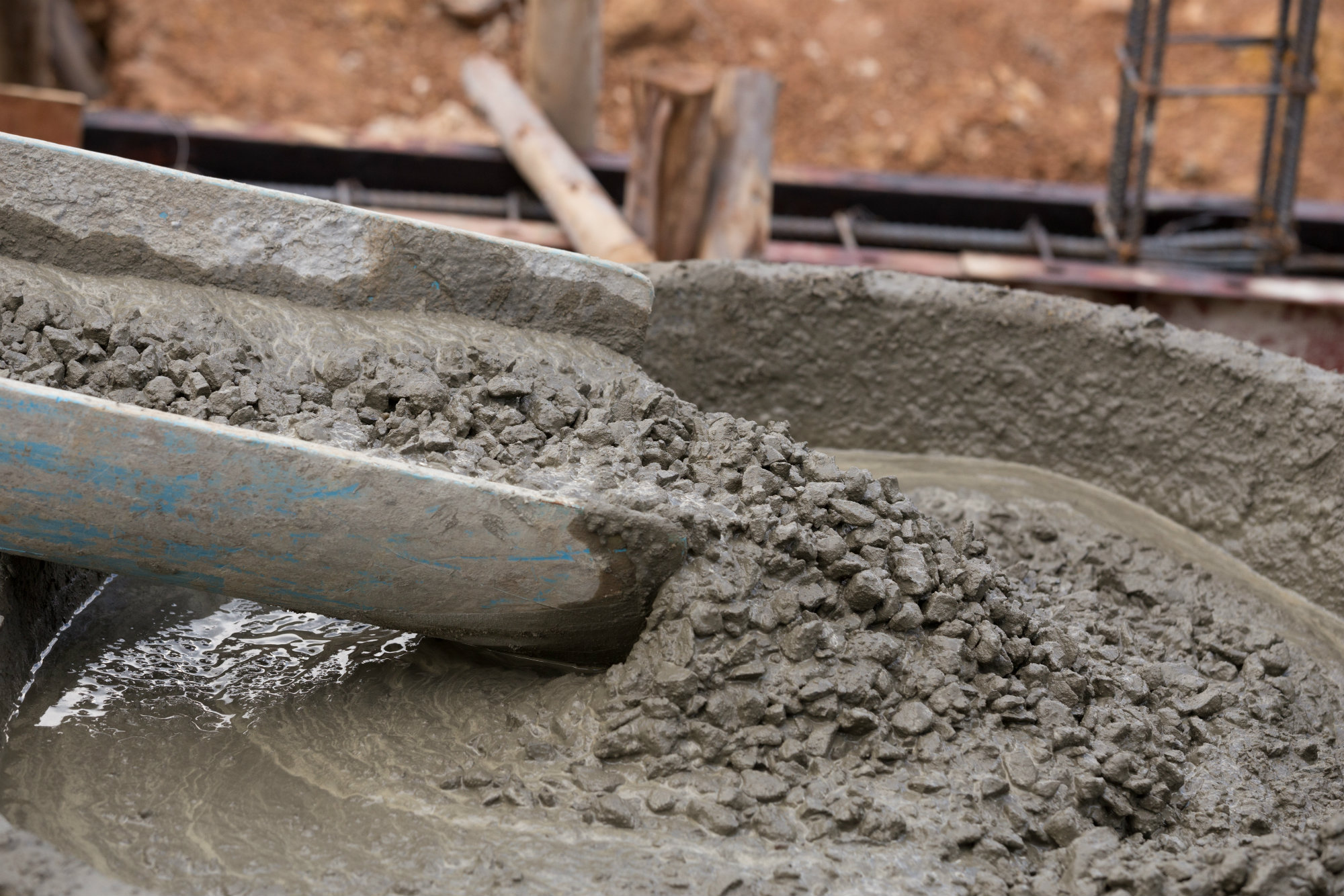
Take the mobile money revolution. Long before digital wallets became trendy in Silicon Valley boardrooms, displaced communities were utilizing makeshift financial networks. Remittances sent via phone from a relative working a graveyard shift in Minneapolis or Berlin hit an account in a makeshift tent city within seconds. That digital currency is immediately converted into physical capital. It buys cement bags, corrugated iron sheets, and inventory for a grocery stall.
The velocity of money inside these settlements is ferocious. Every dollar changes hands half a dozen times before sunset.
Governments and aid organizations are slowly waking up to this uncomfortable, liberating truth. For years, the fear was that allowing refugees and displaced persons to engage in open commerce would strain local resources or create unfair competition for host communities. But the opposite keeps proving true. When you integrate these micro-economies with the surrounding towns, wealth compounds for everyone. Host country merchants sell wholesale goods to camp traders. Local farmers find a captive, reliable market for their surplus tomatoes and onions.
A rising tide does not care about passports or border posts. It just rises.
The challenge now is not figuring out whether these economies exist. The challenge is figuring out how to stop strangling them with red tape. When local banks refuse to open accounts for camp-based entrepreneurs because of archaic compliance regulations, they are cutting the brakes on a downhill cart. When restrictions on freedom of movement prevent a brilliant tailor from traveling to the nearest city to buy better fabric, everyone loses.
Walk through one of these neighborhoods at dusk. The heat of the day breaks into a cool, starry desert night. The generator hums behind the butcher shop. The neon glow of a single LED bulb—powered by a dusty solar panel on a mud-brick wall—illuminates a row of fresh vegetables.
Inside, an old man is calculating next week's inventory in a worn-out ledger, his pencil moving with the precise, methodical rhythm of a man who refuses to let circumstance dictate his utility.
Outside, the dust settles back into the earth, waiting for tomorrow's trade.