Dawn in the jagged mountains of northern Iraq arrives not with a golden glow, but with a sharp, iron-gray chill that bites through heavy wool and tactical fleece alike. At four thousand feet, the wind is a restless thing. It sweeps down from the Anatolian plateau, scouring the rocky ridges, whipping through concertina wire, and rattling the corrugated tin roofs of military outposts that have stood like jagged teeth on foreign soil for years.
In one such outpost, a Turkish soldier turns a brass key in a heavy padlock. The iron groans—a sound familiar to anyone who has spent a winter guarding a lonely frontier. Inside, maps are rolled tight. Desks are cleared of paperwork. Coffee cups, stained dark and forgotten, sit on folding tables. Outside, crates of ammunition are hoisted onto the flatbeds of olive-drab trucks with a metallic clatter that echoes off the limestone cliffs.
For decades, these mountains have been a theater of shadows and artillery fire. Turkey maintained dozens of military positions across the border in the Kurdistan Region of northern Iraq, digging into the earth to choke off the logistical arteries of the Kurdistan Workers Party, or PKK. To Ankara, these forward bases were non-negotiable shields against militant incursions. To Baghdad, they were a stinging reminder of a sovereign border breached, a quiet humiliation written in concrete bunkers and drone hums over ancient valleys.
Now, the lock turns. The key changes hands.
In a quiet diplomatic and military realignment that has largely escaped the frantic news cycles of the West, Turkey is handing over military bases and installations in northern Iraq to the central government in Baghdad. It is a shift so subtle in its mechanics yet so seismic in its strategic implications that it threatens to redraw the geopolitical architecture of the Middle East.
To understand why this is happening, one must step away from the polished walnut tables of foreign ministries and walk the stony paths where real people live under the shadow of these outposts.
Imagine Hazhar. He is fifty-four years old, his skin weathered like old leather by decades of tending sheep in the borderlands of Dohuk. For Hazhar, "geopolitics" is not an abstract term found in op-eds. It is the whistle of a drone passing overhead while he tries to sleep. It is the sudden rustle of brush that sends his flock scattering, not from wolves, but from patrols stepping out of the mist. It is the curfew that kept him from reaching the lower valley when his youngest daughter fell feverish three winters ago.
When Hazhar hears that Turkish forces are packing their duffel bags and handing the keys of the local hill station over to Iraqi federal border guards, he does not break out the sweet tea in celebration. He narrows his eyes at the horizon and asks the question that every villager from Erbil to Sulaymaniyah is whispering: Who keeps the peace when the soldiers leave?
For years, a bitter paradox defined the northern Iraqi frontier. Baghdad lacked both the military muscle and the political cohesion to police its own rugged northern marches. The central government fumed over Turkish boots on its soil, yet it could not—or would not—clear out the militant groups operating from those exact same caves and valleys. Ankara stepped into the vacuum, bearing the immense financial and human cost of maintaining forward-operating bases in hostile, roadless terrain.
It was an unsustainable geometry of power. Occupation breeds resentment; vacuum breeds chaos.
Yet, states are organisms driven by survival and profit, and survival often requires uncomfortable compromises. Over the past year, high-level delegations between Ankara and Baghdad have traded accusations for ledger books. They discovered a mutual language that transcended old grievances: commerce, water, and regional security.
Enter the Development Road project. Imagine a multibillion-dollar artery of steel and asphalt—a grand highway and high-speed rail line designed to connect the Persian Gulf port of Al-Faw all the way through the heart of Iraq and up into Turkey, linking the Middle East directly to European markets. It is an economic dream of staggering ambition, meant to turn Iraq from a permanent battleground into a bustling global hub.
You cannot lay fiber-optic cables or high-speed rail tracks through an active combat zone. You cannot attract foreign direct investment when artillery duels punctuate morning prayers.
Stability is the ultimate currency. Turkey realized that maintaining physical occupation of dozens of scattered hilltops in northern Iraq was an endless drain on resources, alienating a Baghdad government it increasingly needs as an economic partner. Baghdad realized that if it wanted international trade, foreign investment, and true national sovereignty, it had to put its own skin in the game. It had to prove it could secure its northern border.
And so, the grand trade-off was born.
The handover of these military installations is not a retreat; it is a structural evolution. Turkey is stepping back from permanent physical occupation of forward-facing outposts, transitioning instead to a model of joint intelligence centers, high-tech border surveillance, and coordinated cross-border operations. Meanwhile, Baghdad is stepping forward, deploying its federal border guards and elite units into installations that were once strictly Turkish domains.
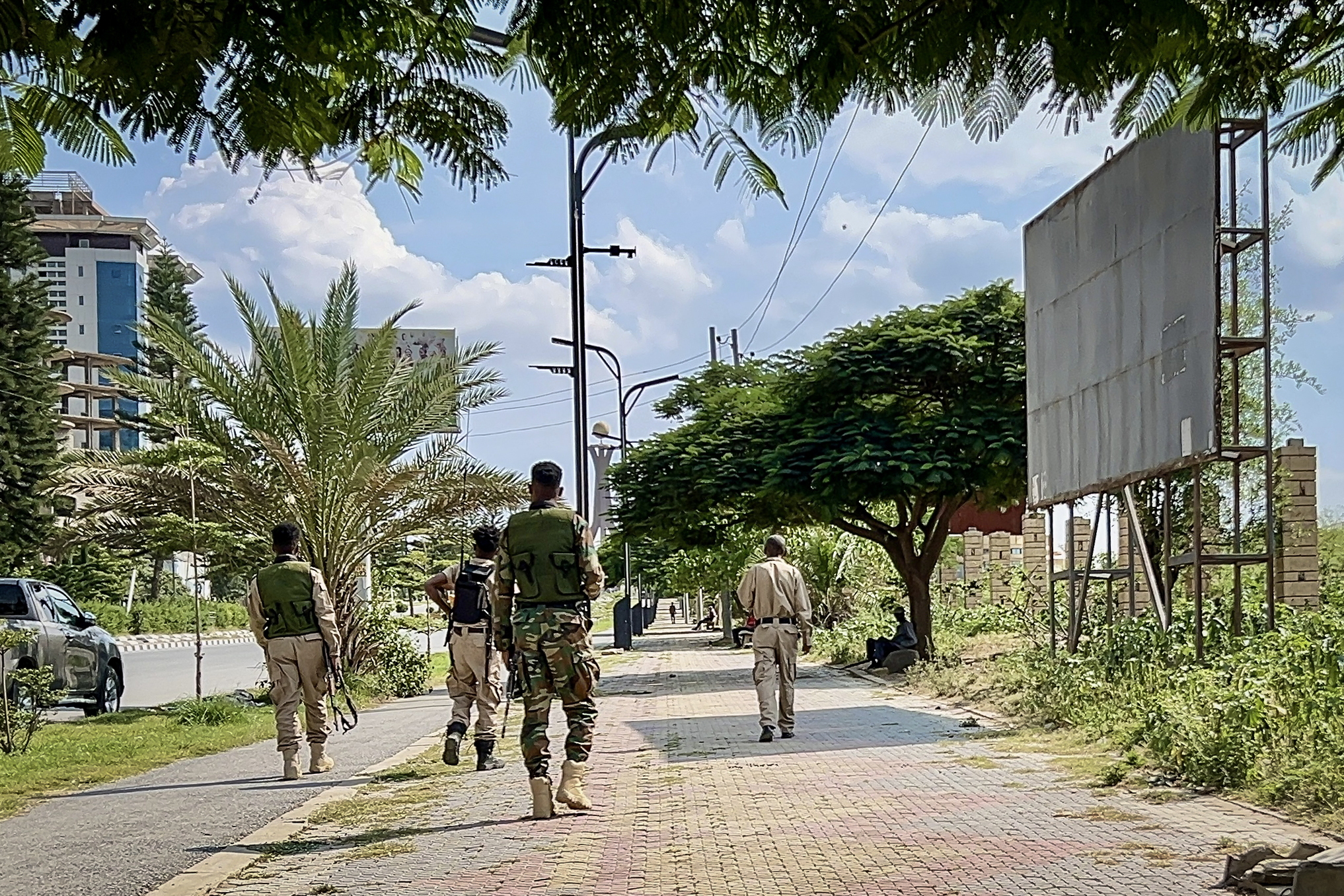
The logistics of this transition are a study in bureaucratic anxiety and tactical tightroping. Picture an Iraqi captain stepping into a concrete bunker as Turkish engineers pack up their generators. The walls still bear the scrawled markings of the departing unit—unit patches, inside jokes, tally marks counting down deployment days. The new occupants bring their own flags, their own tea kettles, and a heavy, suffocating awareness of the eyes watching them from the surrounding ridges.
Militant groups do not simply vanish because a different uniform stands at the gate. The PKK remains entrenched in the deeper, more inaccessible crags of the Qandil Mountains, watching the shifting chessboard with calculating patience. They know that holding a concrete box on a windy ridge is very different from controlling the valleys below.
This is where the story grows messy, shedding the clean lines of diplomatic press releases and descending into the gritty reality of human vulnerability.
No one in Ankara or Baghdad is selling a fairy tale of instant peace. The transition is fraught with risk. If Iraqi forces prove stretched too thin, or if local political alliances fray, the vacuum left by shifting deployments could invite renewed violence. Villages caught in the middle hold their collective breath, knowing that every treaty signed in a distant capital is tested first by the men holding rifles in the freezing rain.
Consider the historical weight hanging over these mountains. Empires have marched through these passes for millennia, leaving behind broken pottery, forgotten fortresses, and the bones of soldiers who thought they could tame the frontier. The Ottomans, the British, the kings, the dictators—all of them drew lines in the dirt that the mountain wind eventually blew away.
Yet something genuinely novel is happening beneath the cold October sky. For the first time in modern history, Turkey and Iraq are attempting to manage their shared border not through unilateral imposition or bitter estrangement, but through a managed, transactional partnership. It is cold, calculated, and entirely necessary.
As the last Turkish truck rolls down the winding gravel road, its headlights cutting amber paths through the gathering dusk, the dust begins to settle over the base. The Iraqi flag flutters stiffly against the gray sky, snapping in the wind that blows down from the north.
Hazhar stands on the slope a mile away, watching the tail lights disappear around the bend. He pulls his coat tighter against his chest, turns his sheep toward the fold, and listens to the sudden, profound silence of the mountain—a silence that is heavy with the weight of an uncertain tomorrow.