Every year, hundreds of well-dressed politicians pack their bags for foreign capitals, claiming they are securing national prestige and forging vital democratic alliances. The media dutifully transcribes the press releases, calling it a historic milestone for international cooperation.
It is a glorified vacation paid for by taxpayers who receive zero return on investment.
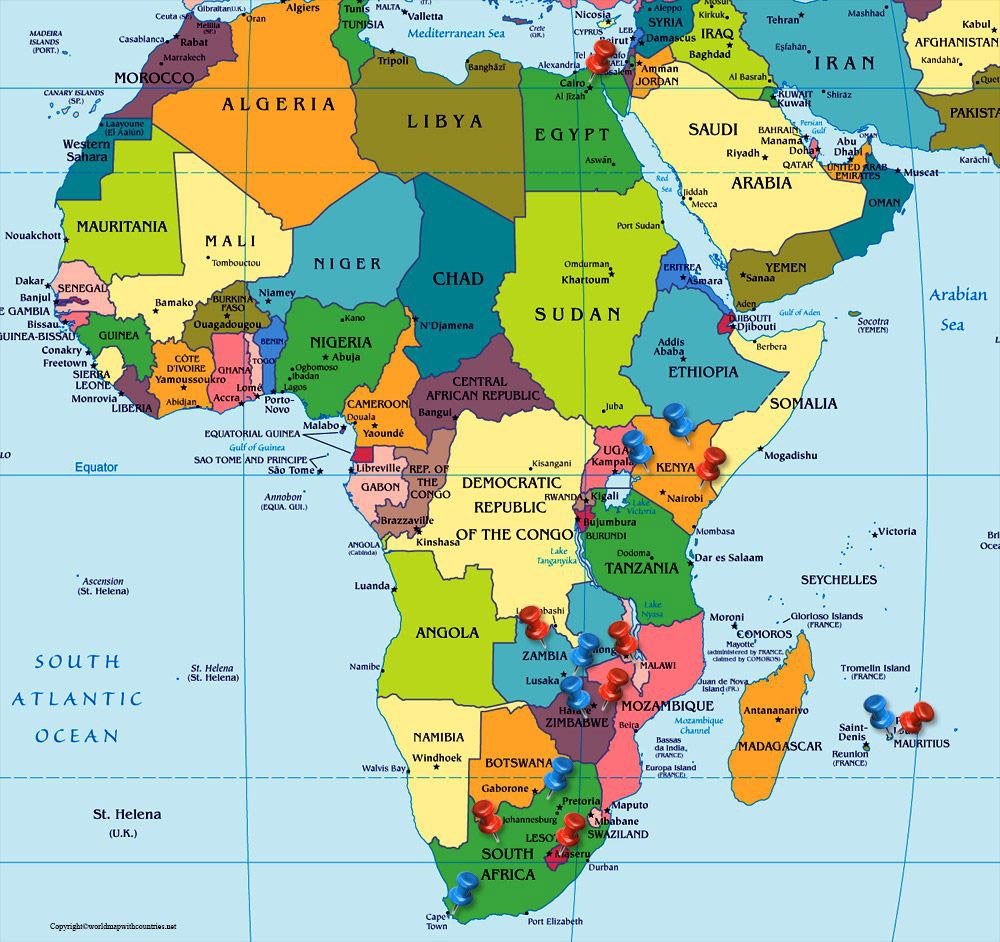
When the 69th Commonwealth Parliamentary Conference convenes in South Africa, commentators will breathlessly analyze the photo ops, the panel discussions on legislative excellence, and the grand communiques about shared values. Nobody will ask the obvious question: what tangible law, policy, or economic benefit actually trickles down to the citizens back home after a delegation of lawmakers spends a week eating canapes abroad?
The lazy consensus treats these summits as essential machinery of statecraft. The reality is far more transactional and far less inspiring.
The Myth Of Legislative Diplomacy
For decades, political elites have pushed the narrative that lawmakers need to fly across continents to learn how to write better laws. This assumes that a politician from New Delhi, London, or Canberra cannot read a comparative legal analysis PDF from their desk. It assumes that constitutional frameworks are somehow unlocked only through personal handshakes over high-end dinners.
Legislative bodies do not lack cross-border insight. They lack internal accountability.
When Indian parliamentary delegations jet off to international summits, they are participating in a circuit of institutional tourism. The agenda is packed with high-minded generalities about good governance, climate resilience, and parliamentary procedure. Yet, back home, legislative sessions are routinely truncated, crucial bills are passed without debate, and committee oversight is treated as an inconvenience rather than a constitutional duty.
Spending days discussing democratic norms in a luxury resort in South Africa does nothing to fix a broken domestic legislative schedule. If anything, it provides a convenient distraction from the atrophy happening in home parliaments.
Follow The Incentives
To understand why these conferences persist despite their uselessness, you have to look at the incentives. For an ambitious politician, international delegations are currency. They offer visibility, a break from angry constituents, and a chance to build a personal network among global elites.
For the host nation, it is an exercise in soft power optics, showcasing stability and hospitality while diplomats sign agreements that carry no enforcement mechanisms.
The Commonwealth itself is an organization caught in an identity crisis. Born from the remnants of the British Empire, it often functions as a diplomatic nostalgia club. Its meetings generate oceans of communiques that end up in digital archives, unread by anyone except graduate students doing penance.
When you strip away the diplomatic jargon, the cost-benefit analysis of sending large parliamentary entourages to international jamborees collapses. Flights, security details, per diems, and accommodation eat up public funds that could otherwise resource actual research staff for domestic legislative committees.
The Real Work Happens At Home
Real legislative strength is forged in the dirt of constituent feedback, aggressive committee hearings, and rigorous scrutiny of public expenditure. It does not happen on a panel moderated in a convention center thousands of miles away.
If lawmakers genuinely wanted to improve governance through international exchange, they could do it via secure video links, saving millions in public money while maintaining a low carbon footprint. The insistence on physical travel isn't about efficiency; it's about perks.
Next time you see a headline about a high-powered delegation touching down for a global parliamentary summit, look past the staged handshakes. Ask what specific legislative reform will result from the trip next Tuesday morning.
The silence will tell you everything you need to know. Stop funding junkets disguised as statesmanship.