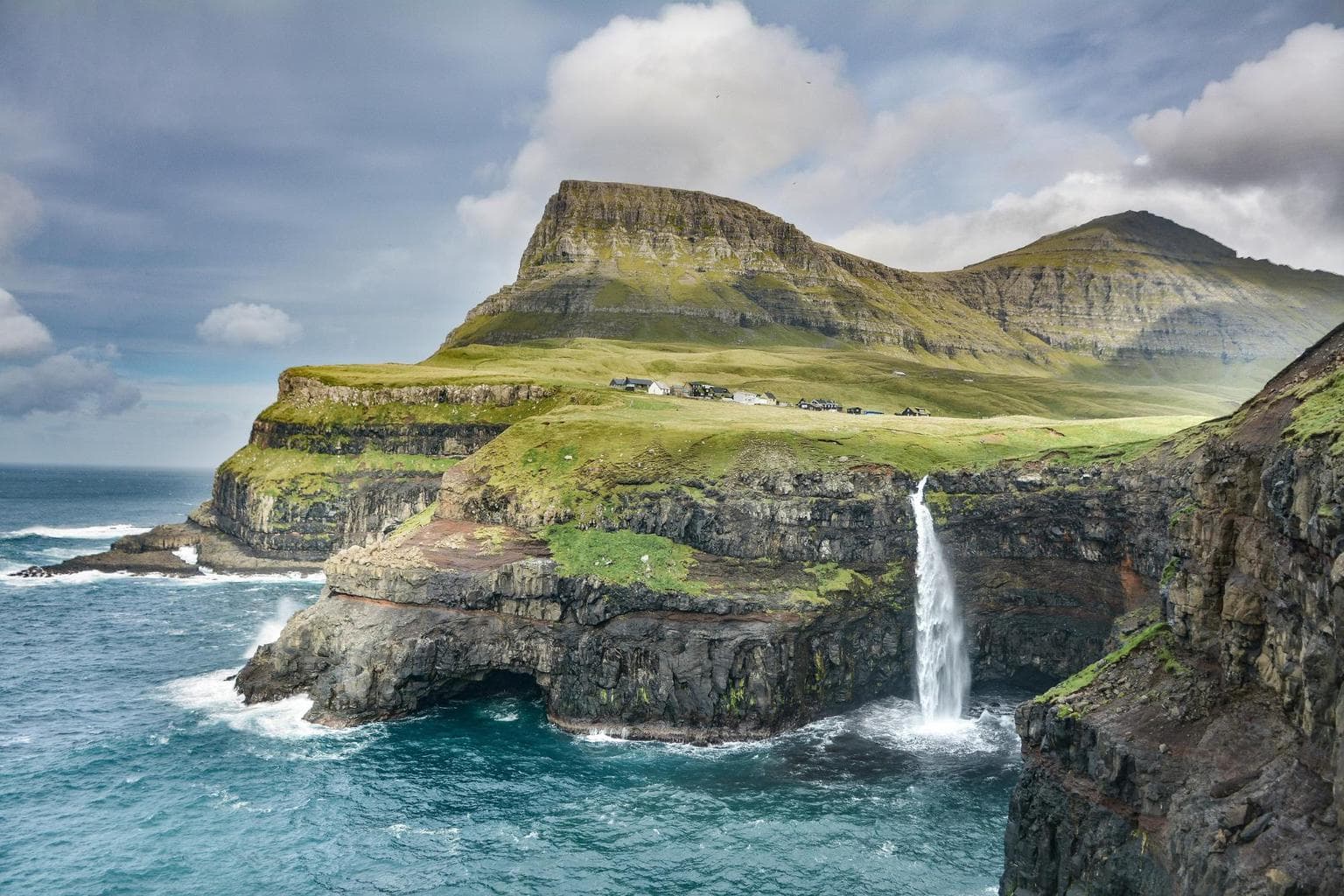
Every winter, Scotland’s highest peak transforms from a challenging tourist trail into an arctic environment that rivals the Alps. When a climber vanishes on Ben Nevis in the dead of winter, the immediate response is a massive, coordinated search operation involving volunteer mountain rescue teams, search dogs, and coastguard helicopters. However, when weeks turn into months under relentless snow and ice, the public spotlight fades, leaving families stranded in a agonizing limbo while a quiet, dangerous secondary phase of recovery begins behind the scenes.
The harsh truth of winter mountaineering in the UK is that Ben Nevis, standing at 4,413 feet, inflicts alpine-grade weather on those who underestimate it. Atlantic depressions smash directly into the Western Highlands, creating severe whiteouts, sudden temperature drops, and unstable cornices that overhang sheer drops of over a thousand feet.
When a person goes missing in February, the initial search window is brutally short. Short daylight hours, sub-zero temperatures, and roaring gales often force search coordinators to suspend operations for the safety of the rescue teams themselves.
The Anatomy of a High Altitude Search
The public often views mountain rescue through the lens of dramatic television footage featuring helicopters hovering near jagged cliffs. The operational reality is far more tedious and grueling.
When a climber fails to return, the initial phase relies heavily on mobile phone tracking data, digital footprints from fitness apps, and route plans left at accommodation or with family. If these digital breadcrumbs are absent, the search area expands exponentially across treacherous terrain.
Ben Nevis Winter Search Phases
│
├── Phase 1: Rapid Response (Days 1–5)
│   └── Focused on known routes, shelters, and last known phone pings.
│
├── Phase 2: Systematic Grid Search (Weeks 2–4)
│   └── Avalanche probes, search dogs, and drone deployment when weather permits.
│
└── Phase 3: Delayed Recovery (Months 2+)
    └── Suspended operations until spring thaw reveals terrain previously buried under meters of packed ice.
Avalanche debris fields represent one of the greatest challenges for recovery teams. A single slide can bury a human being under ten feet of concrete-like snow. In these conditions, specialized avalanche dogs are invaluable, but even their keen senses are blunted when the snowpack freezes solid. Avalanche probes—long, collapsible metal poles used to strike through snow to locate objects—become useless against hard-pack blue ice.
The Technological Limitations in Extreme Weather
There is a growing misconception that modern technology has solved the problem of wilderness navigation and search operations. It hasn't.
Heavy cloud cover and swirling blizzards routinely ground search and rescue helicopters. Even advanced thermal imaging cameras mounted on drones struggle to penetrate deep snow or rock crevices where a stranded climber might have taken shelter.
- Battery Drain: Lithium-ion batteries in smartphones and GPS units fail rapidly in sub-zero temperatures, sometimes dropping from 80% to dead in less than an hour.
- Signal Blackspots: The deep gullies and massive north face cliffs of Ben Nevis regularly block cellular signals, preventing emergency pings from reaching local towers.
- Satellite Latency: While satellite messengers have saved many lives, they require a clear line of sight to the sky, which is completely obscured during a heavy winter whiteout or if an individual is trapped beneath an overhang.
When technology fails, the effort reverts entirely to human muscle and local knowledge. Members of the Lochaber Mountain Rescue Team, who manage the majority of incidents on Ben Nevis, are volunteers. They balance their regular day jobs with ascending frozen ridges in the middle of the night, risking their own lives to find strangers.
The Grim Arithmetic of the Spring Thaw
As winter gives way to spring, the nature of the search changes fundamentally from a rescue to a recovery mission. This transition is incredibly difficult for families to process.
During February and March, accumulation of snow on the north face can reach depths of twenty to thirty feet in the gullies. It takes months of rising temperatures for this packed ice to melt. Consequently, recovery teams must wait for nature to do the heavy lifting, monitoring the mountain weekly as the snowline recedes.
This waiting period inflicts a profound psychological toll on the families left behind. They are caught in a state of ambiguous loss, unable to fully grieve without definitive answers, yet forced to watch the daily news cycle move on to other stories.
Improving the Odds Before Stetting Foot on the Mountain
The predictability of winter accidents on Ben Nevis suggests that education and preparation are still failing to reach a core segment of winter hikers. While experienced mountaineers understand the necessity of ice axes, crampons, and rigid boots, casual walkers frequently attempt the mountain path without realizing that the upper half of the mountain remains a fully arctic environment well into May.
Independent mountaineering bodies emphasize that a winter ascent should never be treated as a casual hike. Navigating off the summit plateau in a whiteout requires strict adherence to specific compass bearings to avoid walking off the edge of the Gardyloo Gully or the Coire Leis cliffs. A single misstep of five degrees can be fatal.
The mountain does not care about experience, intentions, or the grief of those waiting at home. It remains an indifferent mass of rock and ice, reminding us that in the battle between human ambition and winter geography, the mountain always holds the upper hand. The only variable we can control is our preparation and the humility to turn back when the weather dictates.