Iran does not lack a manual for talking to Washington. It has spent decades turning diplomatic stalls, backchannels, and technical wrangling into an art form.
When Donald Trump claims that Tehran wants a deal with the United States but does not know how to move the conversation forward, that framing gets the bottleneck exactly backward. The lazy consensus in quick-hit headlines treats diplomacy like a lost GPS signal: if only Tehran could figure out the right door to knock on, a grand bargain would appear. That reading mistakes tactical paralysis for procedural ignorance. Also making news lately: Why Trump Doubts China and Russia Are Backing Iran.
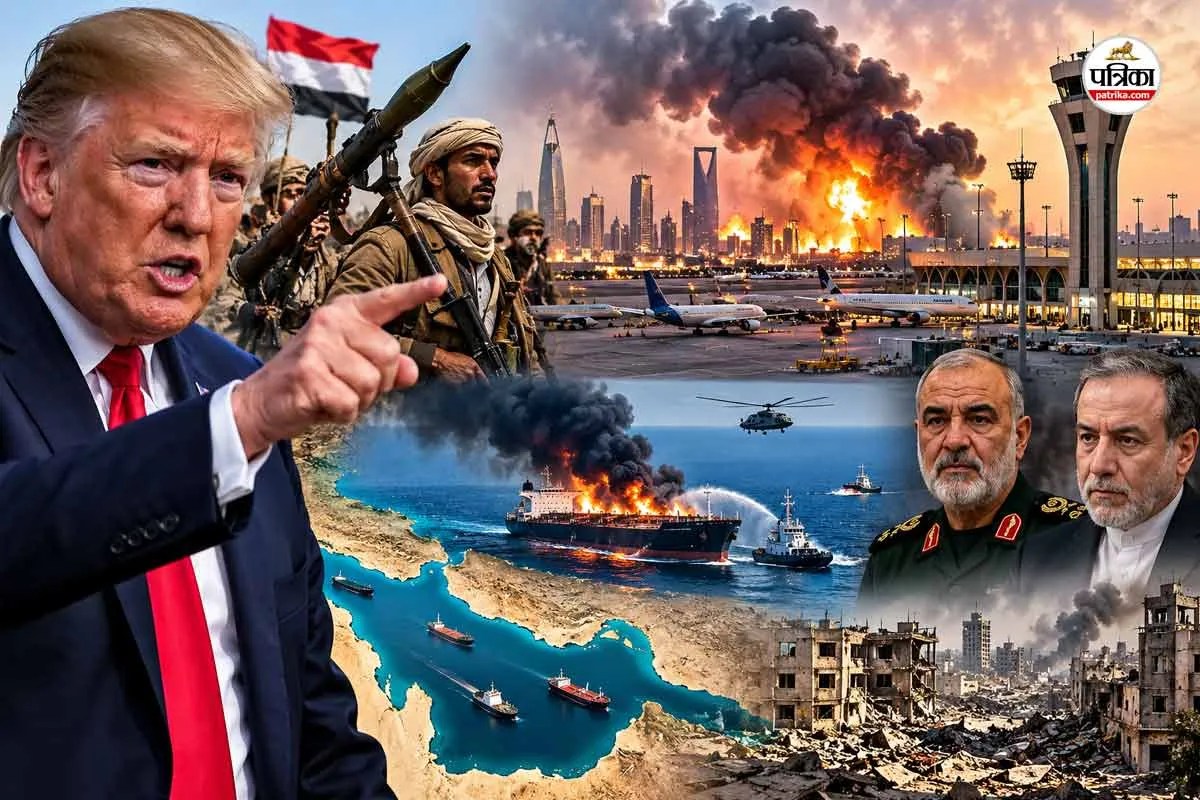
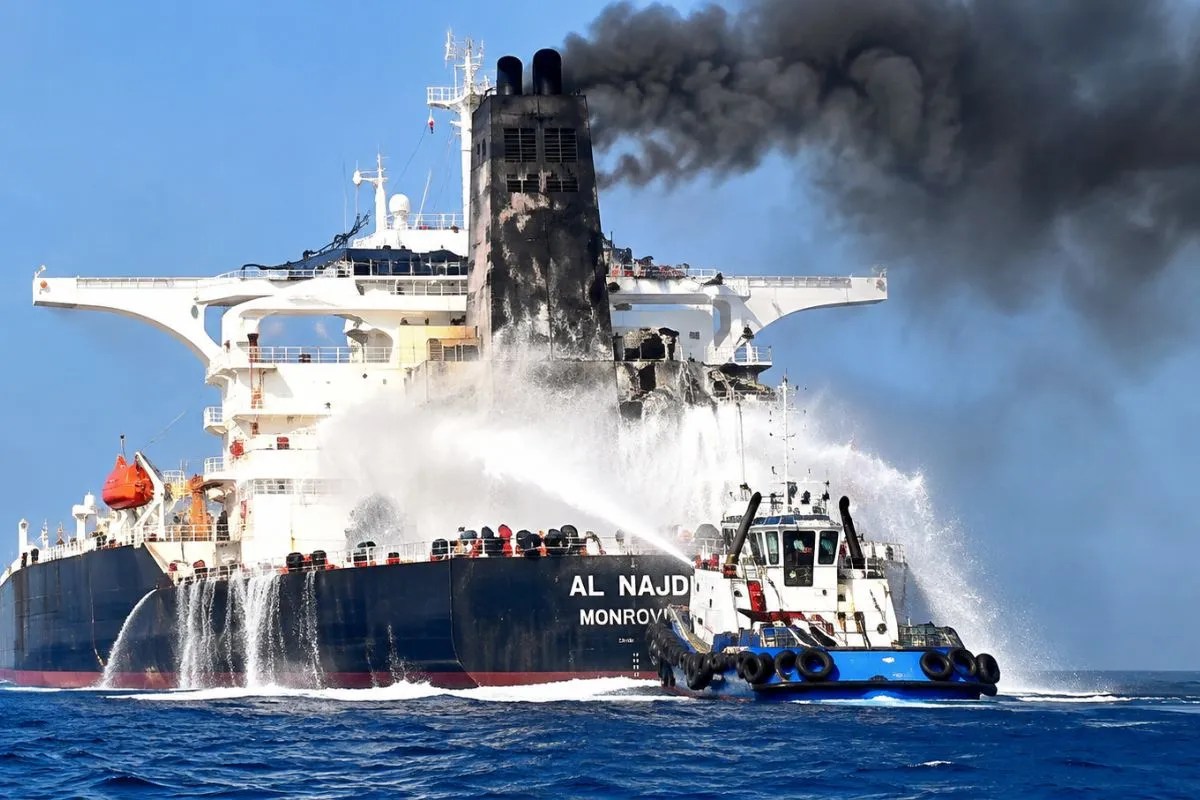
Look at the track record from Muscat and Rome to Islamabad and Doha. Iranian officials have negotiated indirectly through Omani and Qatari mediators, traded proposals on enrichment ceilings, argued over frozen assets, and sparred over preconditions across multiple rounds of talks. They know the mechanics cold. What blocks movement is not a missing how-to guide. It is a collision of incompatible survival math, domestic factional warfare, and raw leverage around the Strait of Hormuz and maritime blockades.
The Myth of the Clueless Negotiator
Standard diplomatic commentary loves a neat psychological shortcut. If an adversary looks evasive, commentators say they are confused or isolated. If they sound defiant, commentators say they are bluffing. Additional information into this topic are explored by NBC News.
Neither explanation holds up under scrutiny. Tehran's negotiators—veterans of high-stakes nuclear and security bargaining—understand exactly how Washington operates. They know how to separate technical talks from political grandstanding, how to use regional intermediaries to test American red lines, and how to drag out timelines until domestic U.S. political pressure shifts the math.
Think about what happens on the other side of the table too. Washington's own posture has swung wildly between claiming it does not need a deal at all—pointing to frozen money and naval pressure on shipping lanes—and exploring renewed talks or limited strikes as conflict drags on. When both sides treat negotiations as a secondary lever in a broader military and economic standoff, "not knowing how to start talks" is a convenient story, not a real diagnosis.
What People Actually Get Wrong About US-Iran Bargaining
People searching for a clean breakthrough usually ask the wrong questions because they assume both capitals want the same kind of agreement.
Does Iran actually want a deal right now?
Tehran wants relief on its terms, which is not the same thing as wanting a comprehensive settlement. Lifting oil restrictions, unlocking frozen funds, and halting military pressure are immediate lifelines. Surrendering core security assets, enriched material, or regional leverage under pressure looks to Tehran's hardliners like political suicide. Calling that hesitation "not knowing how to proceed" flatters the speaker and misreads the opponent.
Why do talks keep stalling over preconditions?
Because preconditions are the fight. Every demand—whether over enriched uranium, naval blockades, transit rules in the Strait of Hormuz, or regional fronts—is an attempt to set the starting line in your favor before real concessions begin. When a senior Iranian figure sets a list of conditions and Washington calls them unacceptable, neither side is confused about the process. Both sides are trying to force the other to blink first.
Can a quick deal fix the Strait of Hormuz and oil markets?
Only on paper, and only temporarily. Even temporary truces or memoranda face immediate friction over enforcement, maritime security, and spillover into neighboring flashpoints. Energy markets price physical risk and credibility, not press releases. A deal that leaves core disputes untouched simply buys time until the next flashpoint.
A Thought Experiment on Leverage
Imagine a scenario where Washington drops all preconditions tomorrow and invites Tehran to unconditional talks in a neutral capital. Within hours, Iran's internal factions would face a sharper test than the one in Washington: whoever owns the terms of engagement owns the political risk at home. Hardliners would accuse negotiators of capitulating under coercion; pragmatists would argue that holding out only invites further economic and military strain. The bottleneck would not vanish. It would simply move inside Tehran's own walls.
What Years of Watching Standoffs Teach You
I have watched enough geopolitical crises and high-stakes negotiations to spot when leaders are selling a narrative rather than describing a mechanism. When someone says the other side "doesn't know how" to reach a deal, it usually signals one of two things: either the speaker wants credit for being the only adult in the room, or they are trying to explain away why leverage has not produced immediate surrender.
In geopolitical bargaining, leverage is the ability to impose costs the other side cannot easily absorb while protecting yourself from their counter-moves. Credibility is the belief that your promises and threats will hold past the next news cycle. After years of broken trust—starting long before the latest rounds of clashes and backchannels—credibility is the scarcest currency in the room.
Scholars of international bargaining, from Thomas Schelling to Robert Jervis, have spent decades showing why coercive diplomacy so often produces deadlocks rather than tidy compromises. When threats are tangled up with domestic politics and existential fears, miscalculation is easy and clean exits are rare.
Where This Contrarian View Can Go Wrong
Betting that Tehran is simply playing a calculated waiting game carries its own blind spot. Domestic pressure, economic strain, or leadership fractures inside Iran can force sudden policy shifts that look irrational from the outside. Over-reading every move as master chess can blind an analyst to genuine desperation or misjudgment. Still, assuming Tehran lacks diplomatic know-how is a far bigger mistake.
What to Do Instead of Waiting for a Miracle Headline
If you trade commodities, run supply chains, or track regional risk, stop reading negotiation headlines as a scoreboard of who "wants peace more." Track three concrete signals instead:
- Watch shipping and blockade enforcement, not rhetoric. Real shifts show up in maritime movement, port restrictions, and insurance risk around the Strait of Hormuz before they show up in rosy statements.
- Separate tactical pauses from structural fixes. A ceasefire or limited de-escalation can move markets fast, but unresolved core disputes keep the risk of relapse high.
- Price in domestic calendars. Election cycles, legislative pushback, and internal factional battles shape how much room either side actually has to compromise.
Tehran does not need directions to the negotiating table; it needs a reason to believe that sitting down will not cost it more than standing firm.
Iran War Update: अमेरिका को ईरान की खुली चुनौती!
This video covers recent developments in the U.S.–Iran conflict and negotiation standoff, showing why public rhetoric and hardline demands continue to stall talks.