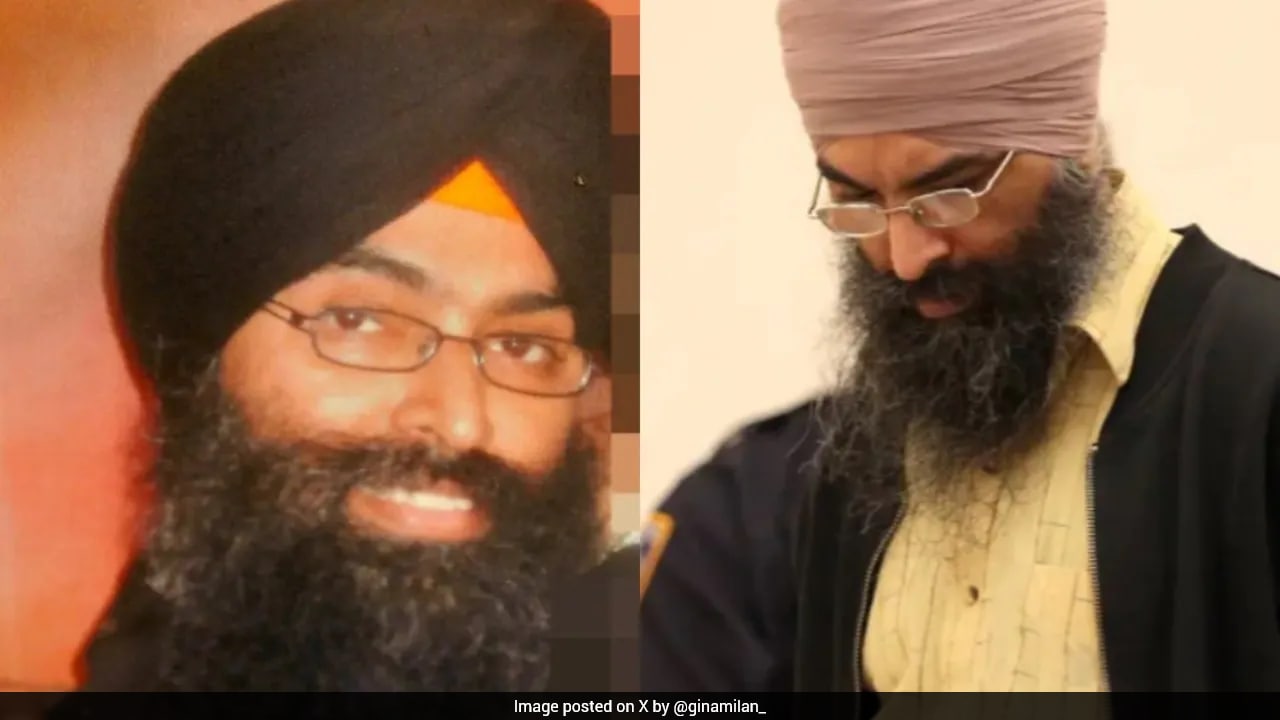
Fifteen years after a horrific attack on a sleeping passenger in New York City, Gurmeet Singh no longer holds American citizenship. A federal court order entered by the Eastern District of New York officially stripped the 55-year-old India-born former taxi driver of his naturalized status. The civil judgment follows a 2014 criminal conviction for first-degree rape and second-degree kidnapping as a sexually motivated felony, crimes committed in May 2011.
The timeline of the case exposes glaring vulnerabilities in the vetting apparatus of federal immigration screening. Singh arrived in the United States in February 1992 on a standard visitor visa meant to expire after six months. Instead of departing, he remained in the country unlawfully for years, evading formal detection until a family-based immigrant petition transitioned him to permanent residency in June 2000.
Then came the spring of 2011. While working behind the wheel of a cab, Singh picked up a young female passenger traveling from Williamsburg to the East Village. The passenger fell asleep during the transit. She woke up to a nightmare: Singh had diverted to a secluded spot, pressing a knife against her throat. He bound, gagged, and blindfolded her before committing a violent sexual assault. The victim managed a courageous escape, flagged down a passerby, and set a criminal investigation into motion.
Weeks after perpetrating this assault, Singh submitted his paperwork to naturalize as a United States citizen.
The Mechanics of Denaturalization
Civil denaturalization is rare, complex, and notoriously difficult to execute. Unlike standard deportation proceedings triggered immediately following a criminal conviction, stripping an individual of citizenship requires the Department of Justice to prove in a federal court that the naturalization order was obtained illegally or by willful misrepresentation and concealment of material facts.
In Singh's case, the deception was absolute. By omitting his pending criminal exposure and active investigation during the naturalization interview cycle, he slipped through a procedural crack. The United States Citizenship and Immigration Services relies heavily on self-reporting, fingerprint databases, and state criminal history repositories. If local charges are processed while an application is pending or if paper records fail to sync seamlessly with federal background checks before the oath ceremony, applicants can effectively outrun their own rap sheets.
On October 19, 2011, the system failed entirely. Singh raised his hand, took the oath, and received a naturalization certificate, sealing a fraudulent transition from foreign national to full citizen just months after holding a knife to a captive victim's throat.
Institutional Realities and Legal Limits
The Justice Department under Attorney General Todd Blanche moved to formally file the denaturalization complaint earlier this year, culminating in Judge Nicholas Garaufis ordering Singh to surrender his passport and naturalization certificates.
"American citizenship is not a shield for criminals," Blanche stated following the judgment.
Yet the fifteen-year lag between the crime and the civil remedy highlights a structural backlog within federal oversight agencies. Denaturalization units operate with finite investigative resources, prioritizing cases involving war crimes, terrorism, or massive financial fraud. For a localized violent crime prosecuted at the state level, federal intervention often waits until state sentences are well underway or special task forces flag historical anomalies.
Singh is currently serving a twenty-year sentence at Shawangunk Correctional Facility in upstate New York. The revocation of his citizenship does not alter his physical incarceration, but it strips away the legal protections and privileges attached to American nationality, clearing a direct pathway for potential removal proceedings once his prison term concludes. The legal framework functioned in the end, but only after a decade and a half of administrative friction.