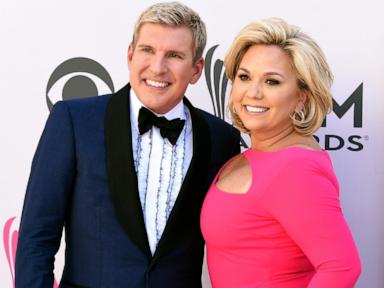
Todd and Julie Chrisley aren't staying quiet. Even after walking out of federal prison thanks to a presidential pardon from Donald Trump, the reality TV couple is dragging their former defense team into the courtroom. They just dropped a massive lawsuit, demanding over $25 million from the high-profile law firm Balch & Bingham and its former partner, Chris Anulewicz.
The core accusation is simple. They claim blatant legal malpractice basically cost them years of freedom, wrecked their reputation, and drained their bank accounts.
When you get hit with a major federal indictment, you expect your legal team to act as a shield. The Chrisleys argue their lawyers did the exact opposite. They say their lead attorney didn't have the chops for a massive federal fraud trial but took the case anyway because the family name meant serious cash and free publicity. If these allegations hold up, it completely flips the narrative of their original conviction.
The Fatal Flaw in the Defense Strategy
To understand why the Chrisleys are suing, you have to look at how federal prosecutors built their case. The initial investigation kicked off after the Georgia Department of Revenue conducted an illegal, warrantless search of a warehouse where the couple stored personal belongings.
During the criminal trial, the judge actually agreed that the search was illegal and suppressed the physical documents found inside that warehouse. That should have been a massive win for the defense.
But it wasn't. Here is what went wrong.
The lawsuit claims Chris Anulewicz failed to take the next logical legal step. He didn't ask the judge to suppress the derivative evidence. In federal law, this is known as the fruit of the poisonous tree. If the initial search is illegal, the evidence stemming directly from it usually can't be used either.
Because the defense allegedly dropped the ball, federal agents used the illegal warehouse data to secure search warrants for the Chrisleys' personal email accounts and bank records. Those emails and financial documents became the bedrock of the government's entire case. The Chrisleys' new legal team argues point-blank that without that derivative evidence, the feds wouldn't have had enough ammunition to secure a conviction at all.
Money Fame and an Alleged Food Truck Side Hustle
The complaint doesn't just attack the legal strategy. It goes after the lawyer's ethics. The Chrisleys claim Balch & Bingham marketed itself as a powerhouse capable of handling a high-stakes federal prosecution, despite knowing Anulewicz lacked meaningful defense experience in cases of this scale.
Then there's the weirdest detail in the lawsuit.
While the couple faced decades in prison, the lawsuit claims Anulewicz used his position to pressure them into a $75,000 investment. The target? A startup food truck business owned by the attorney's brother-in-law. The lawsuit directly accuses him of exploiting his clients for personal and family gain while completely neglecting his core duty to defend them against federal charges.
The Legal Fallout and What Happens Next
Patrick T. O'Connor, the attorney representing Balch & Bingham and Anulewicz, stated they will vigorously defend against the lawsuit once officially served. Anulewicz has since left Balch & Bingham for another firm, meaning the legal battle will likely split into multiple defensive fronts.
For the Chrisleys, this isn't just about the money. They want a jury trial to publicly expose what they see as systemic incompetence.
Malpractice cases against criminal defense attorneys are notoriously difficult to win. You usually have to prove that but for the lawyer's errors, you would have been acquitted. Because the Chrisleys have a concrete judicial ruling stating the initial warehouse search was illegal, they actually have a tangible hook to argue that the subsequent email warrants were entirely compromised.
If you're ever choosing a legal defense team for a complex matter, this situation highlights a crucial rule. Always vet a lead attorney's specific trial track record in federal court. Never assume a massive law firm's brand name guarantees individual competence. You need to verify that your lead counsel has handled derivative evidence suppression motions before, or you risk letting foundational government errors slide right into a conviction.