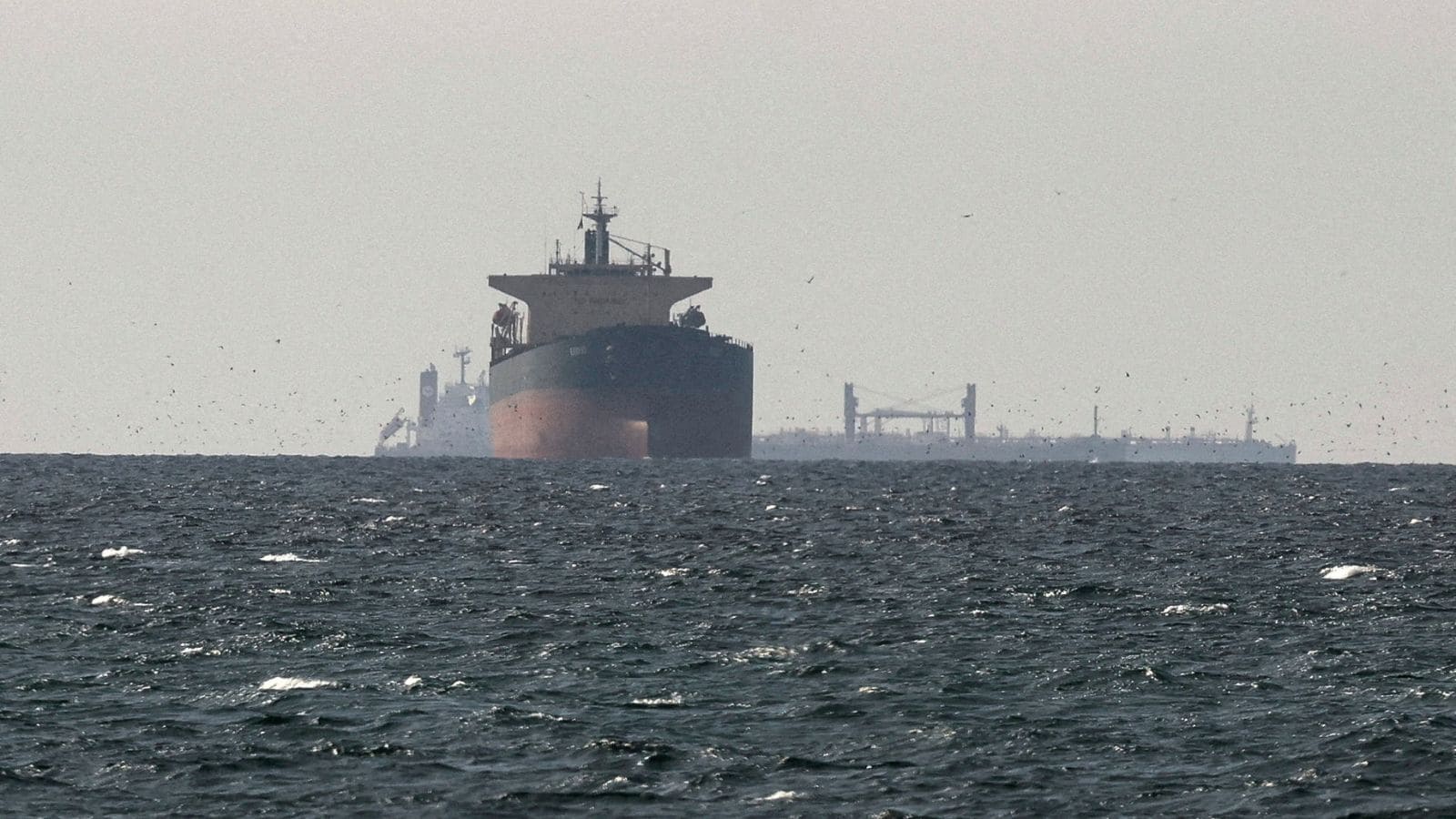
The narrow neck of water separating the Persian Gulf from the Gulf of Oman has become the most dangerous patch of blue on earth. For months, commercial shipping through the Strait of Hormuz has operated under the perpetual shadow of missile fire, drone strikes, and unchartered sea mines. The recent surge in vessel assaults is not a random escalation or an isolated tactical flare-up. It is the predictable consequence of a prolonged war of attrition where energy infrastructure serves as the primary currency of coercion.
To understand why attacks on tankers operating in the region have reached critical thresholds, one must look past the daily casualty reports and examine the structural mechanics of the current conflict. Before hostilities began, roughly a quarter of the world's seaborne oil trade and a substantial share of liquefied natural gas transited this twenty-mile-wide corridor. When Washington and its allies initiated military operations against Iran, Tehran recognized that its conventional military could not match Western air and naval dominance. Instead, the Islamic Revolutionary Guard Corps activated asymmetric doctrines designed decades ago for precisely this scenario.
The primary objective behind the intensified maritime campaign is simple. Iran seeks to impose severe economic pain on the West and its regional partners to offset military setbacks. By transforming the strait into a high-risk zone, Tehran ensures that insurance premiums skyrocket, maritime traffic remains fractured, and global energy prices stay volatile. Every burning tanker or abandoned cargo vessel off the coast of Oman acts as a physical reminder that normal commercial operations cannot resume while sanctions and naval blockades remain active against Iranian ports.
This strategy relies on a fundamental miscalculation by Washington policymakers who assumed economic isolation would force a swift capitulation. Decades of international isolation have hardened regional supply chains against conventional trade shocks. Rather than backing down, the Iranian leadership has doubled down on maritime disruption, utilizing coastal missile batteries, fast attack craft, and naval mines to assert de facto sovereignty over northern shipping lanes.
The human and environmental toll of this strategy continues to mount with each passing week. International maritime monitors have recorded well over a hundred security incidents since the conflict's inception, resulting in dozens of seafarer fatalities and severe ecological damage as damaged vessels leak crude into Gulf waters. Despite these risks, major energy traders and shipping conglomerates are forced to weigh the exorbitant costs of rerouting or utilizing armed escorts against the irreplaceable value of maintaining cargo flows.
Diplomatic efforts mediated through third parties have repeatedly stalled because neither side is willing to compromise on core demands. Washington insists on maintaining its blockade and curbing nuclear ambitions, while Tehran demands the total lifting of economic sanctions and the reopening of its own export terminals. As long as this diplomatic stalemate persists, the Strait of Hormuz will remain a contested bottleneck where global commerce is held hostage to military escalation.
Navigating this crisis requires acknowledging that naval escorts and defensive air cover can only mitigate symptoms, not cure the disease. Until a comprehensive political settlement addresses the root causes of the conflict, the world's most vital energy artery will remain permanently vulnerable to the calculus of asymmetric warfare.