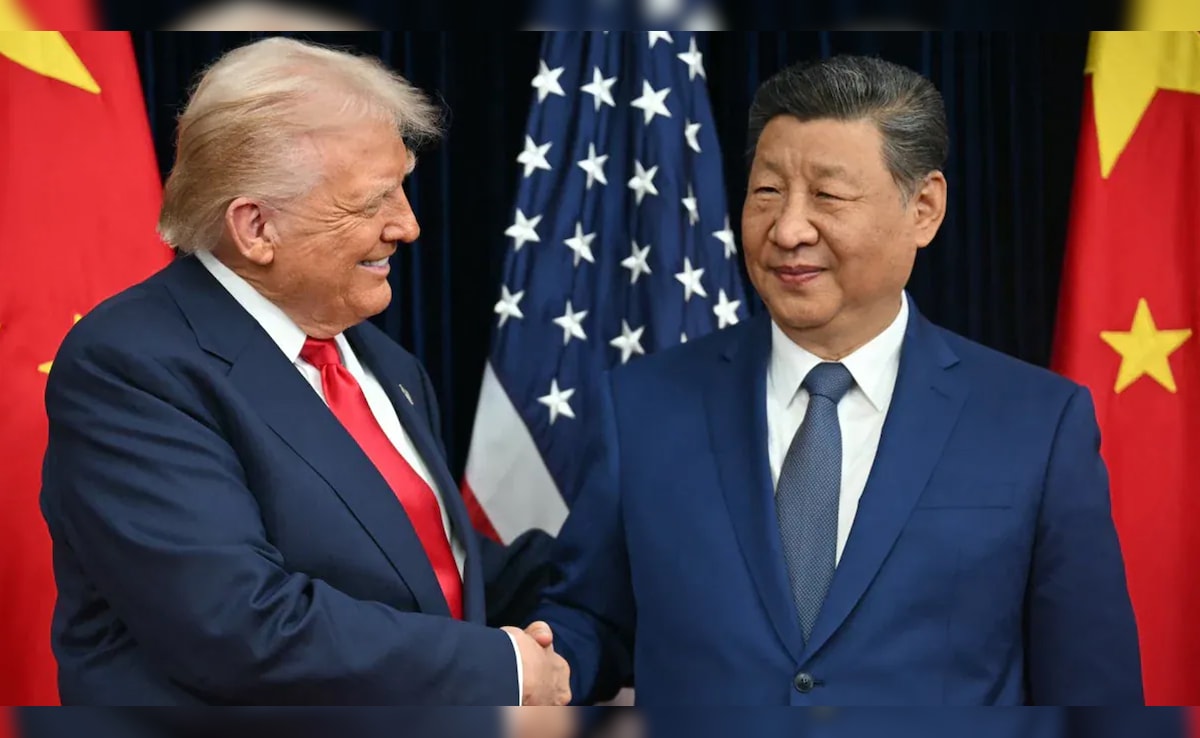
While the world held its breath on April 7, watching the clock tick down toward a massive escalation in the Middle East, a two-week ceasefire suddenly flickered to life. Donald Trump took to the microphones to claim a "total victory." Iran’s state media hailed it as a win for the resistance. But behind the scenes, the real story wasn't about the loud actors on stage. It was about the one sitting in the back of the room, barely saying a word.
Beijing’s fingerprints are all over the deal that paused the 2026 Iran war. While US-Israeli strikes in February upended the region following the death of Supreme Leader Ayatollah Khamenei, China played a game of strategic silence that left many Western analysts scratching their heads. They weren't just being shy. They were executing a masterclass in risk-managed diplomacy that prioritizes energy security over public applause.
The quiet power at the Islamabad table
You’ve probably heard that Pakistan was the main mediator. That’s partially true. Islamabad provided the physical table, but Beijing provided the weight. Iranian and Pakistani officials have confirmed that China’s role in the 11th-hour negotiations was what actually pushed Tehran to say yes.
Why the secrecy? China doesn't want to be the guarantor of Middle Eastern peace. It’s a thankless, expensive job that the US has struggled with for decades. By letting Pakistan take the lead and keeping Foreign Minister Wang Yi’s 26 high-level phone calls out of the headlines, China gets all the benefits of a stable Strait of Hormuz without the liability of having to enforce the truce. If the ceasefire breaks tomorrow—and let's be honest, it's fragile—Beijing can shrug and say it was just a "supporter" of the process.
Why Iran actually listened
Iran is currently backed into a corner. With its leadership in flux and its infrastructure under threat, it needs a lifeline. China is that lifeline. As Iran's largest trading partner and a primary buyer of its oil, Beijing has the kind of leverage Washington can only dream of.
But China’s "support" isn't charity. It’s calculated survival.
- Energy Exposure: China is the world’s biggest importer of crude. A shut Strait of Hormuz is a direct hit to the Chinese economy.
- Strategic Distraction: Every day the US is bogged down in a Middle Eastern conflict is a day it’s not focusing on the South China Sea or Taiwan.
- The Global South Narrative: By staying "quiet" and focusing on a five-point peace plan instead of carrier groups, China positions itself to the rest of the world as the "rational" superpower compared to a "hegemonic" US.
The veto that signaled the deal
On April 7, just before the ceasefire was announced, China and Russia vetoed a UN Security Council resolution regarding the Strait of Hormuz. To the casual observer, it looked like more obstructionism. It wasn't. It was a signal to Tehran that Beijing still had its back, providing the diplomatic cover Iran needed to feel "strong" enough to negotiate.
You don't get a ceasefire by cornering a regime and giving them no way out. You get it by offering a face-saving exit. China provided the exit ramp while the US provided the pressure. It’s a classic "good cop, bad cop" routine, except the two cops aren't actually talking to each other.
China is not your new regional sheriff
Don't mistake this mediation for a shift in China’s willingness to put boots on the ground. When Iran invited China to be a security guarantor this week, Beijing’s response was a polite version of "no thanks."
Beijing knows it doesn't have the military capacity or the desire to police the Persian Gulf. They’re happy to sell radar systems and navigation tools—as they’ve done throughout this conflict—but they aren't about to start patrolling shipping lanes. They want the oil to flow, the prices to stabilize, and the Americans to stay busy without starting a global depression.
What happens when the two weeks are up
This ceasefire is a band-aid on a gunshot wound. The "Islamabad Talks" starting this Saturday will be the real test. China will be there, but don't expect a sudden flood of press releases from the Chinese Foreign Ministry.
If you’re watching this play out, stop looking at the White House briefings. Watch the shipping data in the Strait of Hormuz and the tone of the Chinese state media outlet, Guancha. When China starts talking about "active mediation" more loudly, it means they’re confident the deal will stick. Until then, they’ll keep playing the quiet broker, letting everyone else claim victory while they keep the lights on at home.
The next move isn't a military one. It’s seeing whether China is willing to put its own economic skin in the game to guarantee Iranian compliance. Keep an eye on the five-point plan; it’s the only map we have for where this is going.