Disaster response operations in the Himalayas are failing right when people need them most. Heavy rains, massive landslides, and fractured infrastructure have turned the China Nepal border region into a desperate zone. The death toll from this catastrophic event is rapidly climbing toward one thousand people. Rescue teams are working around the clock, but time is running out.
If you are trying to understand why modern emergency response can still break down so completely in high-altitude zones, you have to look past the surface-level reports. The reality on the ground involves brutal geography, communication blackouts, and delayed international aid channels. When the ground gives way, standard bureaucratic procedures become lethal obstacles.
The Brutal Geography of Himalayan Disasters
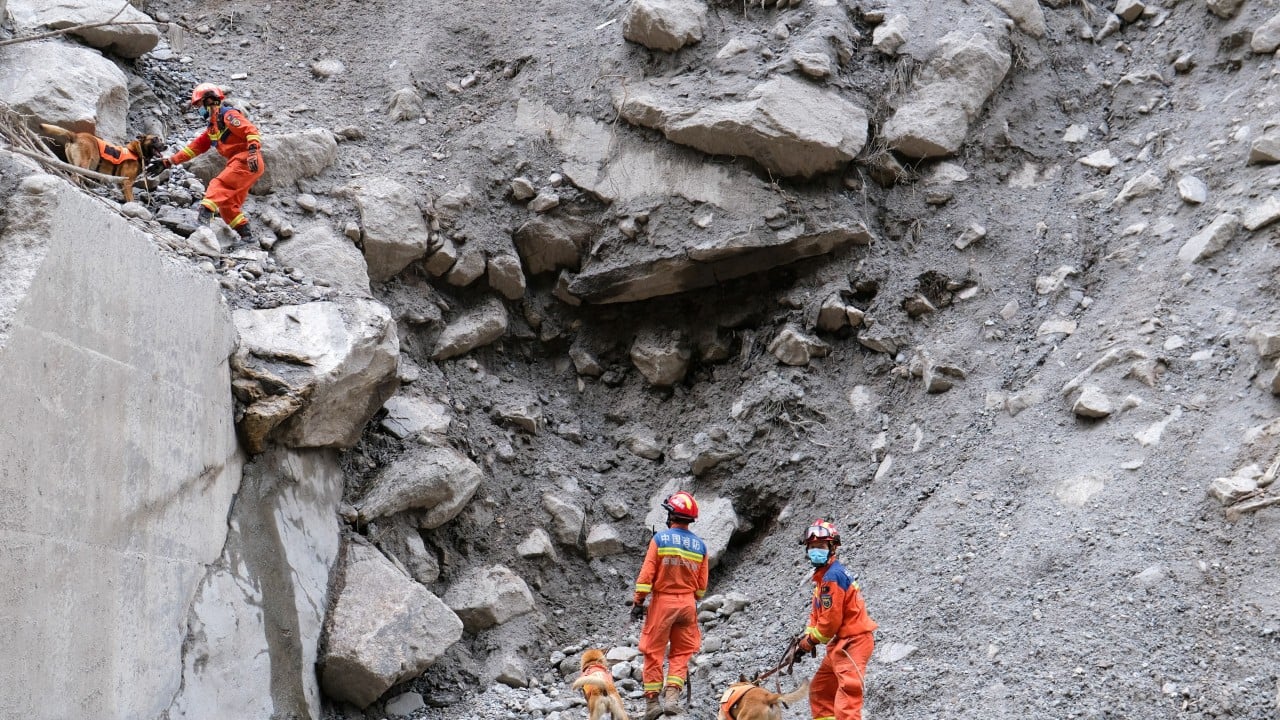
Mountains don't care about your logistical plans. Rescue work in the China Nepal disaster area faces barriers that flat-land emergency planners rarely comprehend. Entire villages are cut off because single-lane mountain highways have vanished into deep gorges. Heavy machinery cannot reach remote epicenters when access bridges are washed away.
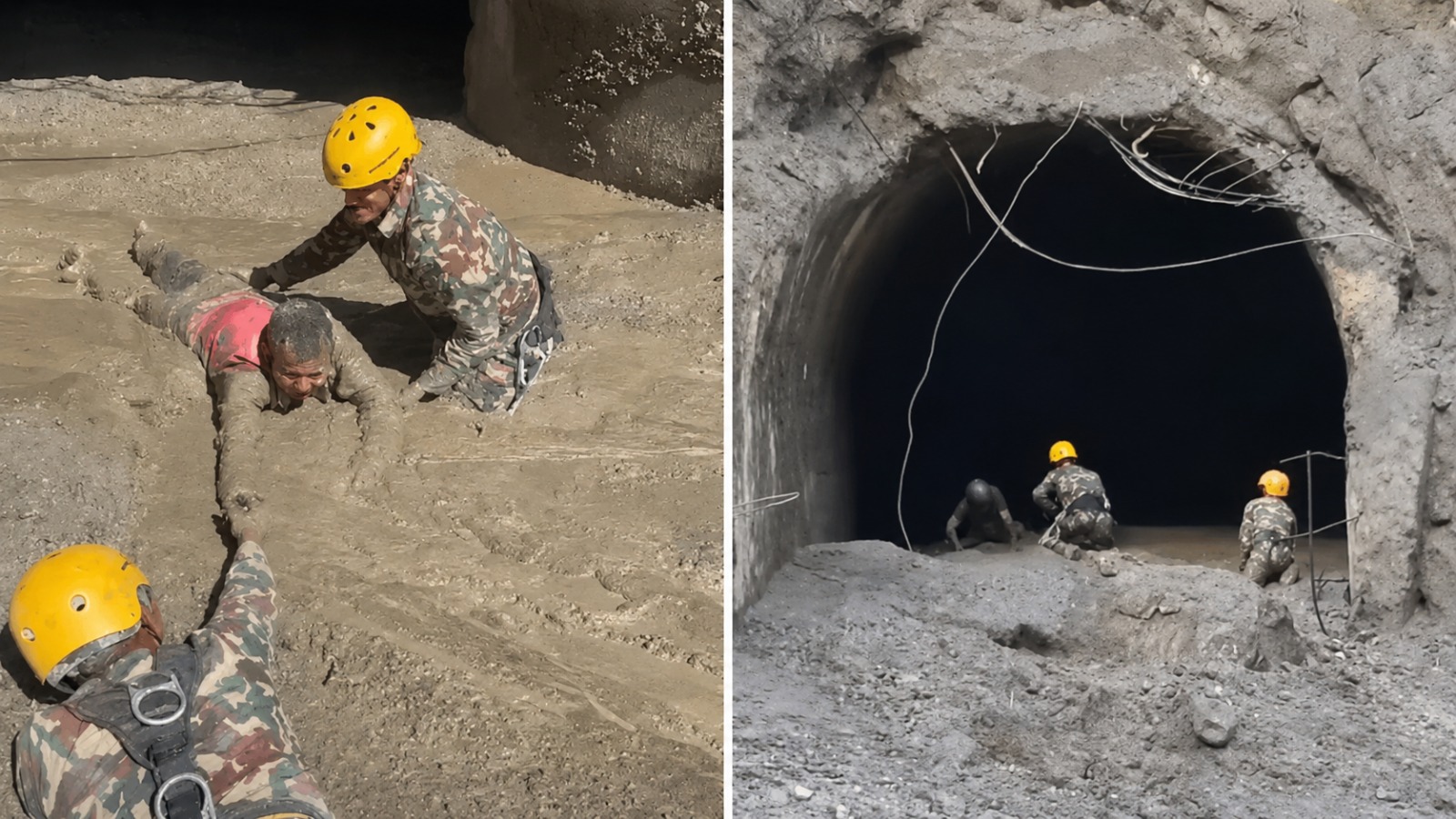
Rescuers are literally walking into danger zones with basic tools. Helicopters are the only lifeline, yet erratic weather patterns keep grounding them for hours at a time. This creates a cruel waiting game. Survivors trapped under rubble or stranded on unstable slopes watch the skies, hoping the clouds break before their injuries or exposure kill them.
Local emergency workers are overwhelmed. They know the terrain, but they lack the heavy extraction gear needed to lift tons of concrete and mud. International teams bring the gear, but navigating local customs, clearance permits, and transport logistics eats up precious days.
Communication Breakdowns Fuel The Chaos
Information is currency during a crisis. Right now, getting accurate data out of the disaster zone is nearly impossible. Power grids are down. Cell towers are destroyed. Families thousands of miles away are refreshing social media feeds, desperately hunting for names of the missing.
This lack of reliable communication slows down targeted rescue operations. Rescuers often rely on rumors or frantic word-of-mouth reports from survivors who managed to hike out of cut-off valleys. Precious hours get wasted sending teams to areas where damage is minor, while truly devastated pockets go unseen for days.
Governments struggle to manage the information flow, too. Early casualty estimates are notoriously unreliable. Officials hesitate to release numbers until they are verified, but this delay breeds panic and mistrust. People assume the worst is being hidden from them.
Why Aid Distribution Fails At Scale
Getting supplies to a disaster zone is only half the battle. Distributing food, clean water, and medicine without causing a riot requires military-grade organization. In many affected sectors, aid is piling up at regional airports because secondary roads are blocked.
People on the ground are hungry and freezing. When distribution points are chaotic, desperation takes over. Fights break out over blankets and bottled water. Vulnerable populations like children and the elderly get pushed to the back of the line.
Aid organizations know these bottlenecks happen every single time a major earthquake or flood hits the region. Yet, prepositioning supplies in high-risk mountain zones remains criminally underfunded. Local authorities often operate on tight budgets that prioritize daily governance over disaster preparedness.
Lessons We Keep Ignoring
Every major catastrophe in the Himalayan corridor teaches the exact same lessons, and every time, the global community acts surprised. Building codes in rural mountain settlements are rarely enforced. Infrastructure is built to survive average weather, not extreme climate-driven anomalies.
If you want to support effective relief right now, skip the unverified social media donation links. Look toward established humanitarian organizations with boots on the ground, such as the Red Cross or specialized alpine rescue units that have pre-existing partnerships with local authorities. Monitor updates from trusted international news agencies rather than viral clips that recycle old footage from past disasters.
The immediate focus remains on pulling survivors from the debris and securing clean water to prevent disease outbreaks. Long-term reconstruction will take years, but the immediate survival of thousands depends entirely on cutting through red tape today.