Every year, the travel press regurgitates the exact same press release dressed up as journalism. Finland is number one again. Nordic countries sweep the top spots. Pack your bags, buy a thermal parka, and prepare for eternal bliss.
It is lazy. It is misleading. And if you use the Happy Passports Index 2026 to decide where to move your family or your business, you are setting yourself up for a rude, expensive awakening.
I have spent over a decade advising cross-border entrepreneurs, remote workers, and wealthy retirees on second residencies and global mobility. I have watched clients burn hundreds of thousands of dollars chasing high-ranking passports, only to beg for an exit strategy eighteen months later. They bought the brochure. They ignored the fine print.
The Happy Passports Index—and every derivative ranking that mashes together visa-free travel scores with subjective wellbeing surveys—operates on a fundamentally broken premise. It assumes that a document's border-crossing power and a nation's domestic satisfaction score somehow transfer to you the moment you land at the airport.
They do not.
The Fundamental Flaw of Composite Passport Rankings
To understand why these annual top-10 lists are useless for actual decision-making, look at the methodology. Indexes like this typically staple two completely unrelated metrics together:
- Mobility scores (derived from data like the Henley Passport Index or Arton Capital’s Passport Index, counting how many borders open without a prior visa).
- Quality-of-life metrics (pulled from the World Happiness Report, Gallup polls, or OECD Better Life data).
On paper, combining travel freedom with domestic happiness looks logical. In reality, it creates a statistical mirage.
First, a passport's visa-free score only matters if you actually hold that citizenship. Most people reading "Top 10 Happy Passports" lists are not citizens of Finland, Denmark, or Switzerland. You cannot buy a Finnish passport off the shelf. Earning naturalization in top-tier European nations takes anywhere from five to ten years of strict physical residency, rigorous language exams, and full tax exposure. By the time you qualify for the passport, the global mobility rules will have changed twice.
Second, national happiness surveys measure institutional trust and social safety nets for native-born citizens, not the lived experience of an outsider. When Gallup asks a lifelong resident of Helsinki to rate their life on a Cantril ladder from zero to ten, that resident is grading a system they grew up inside. They speak Finnish. They have childhood networks. They understand the unwritten social contracts.
Drop an ambitious expat into that same environment, and the math flips overnight.
Dismantling the Top 10 Illusion
Let us look at the usual suspects dominating the 2026 rankings—Finland, Denmark, Iceland, Sweden, the Netherlands, and Switzerland—and strip away the public relations veneer.
The Nordic Social Wall
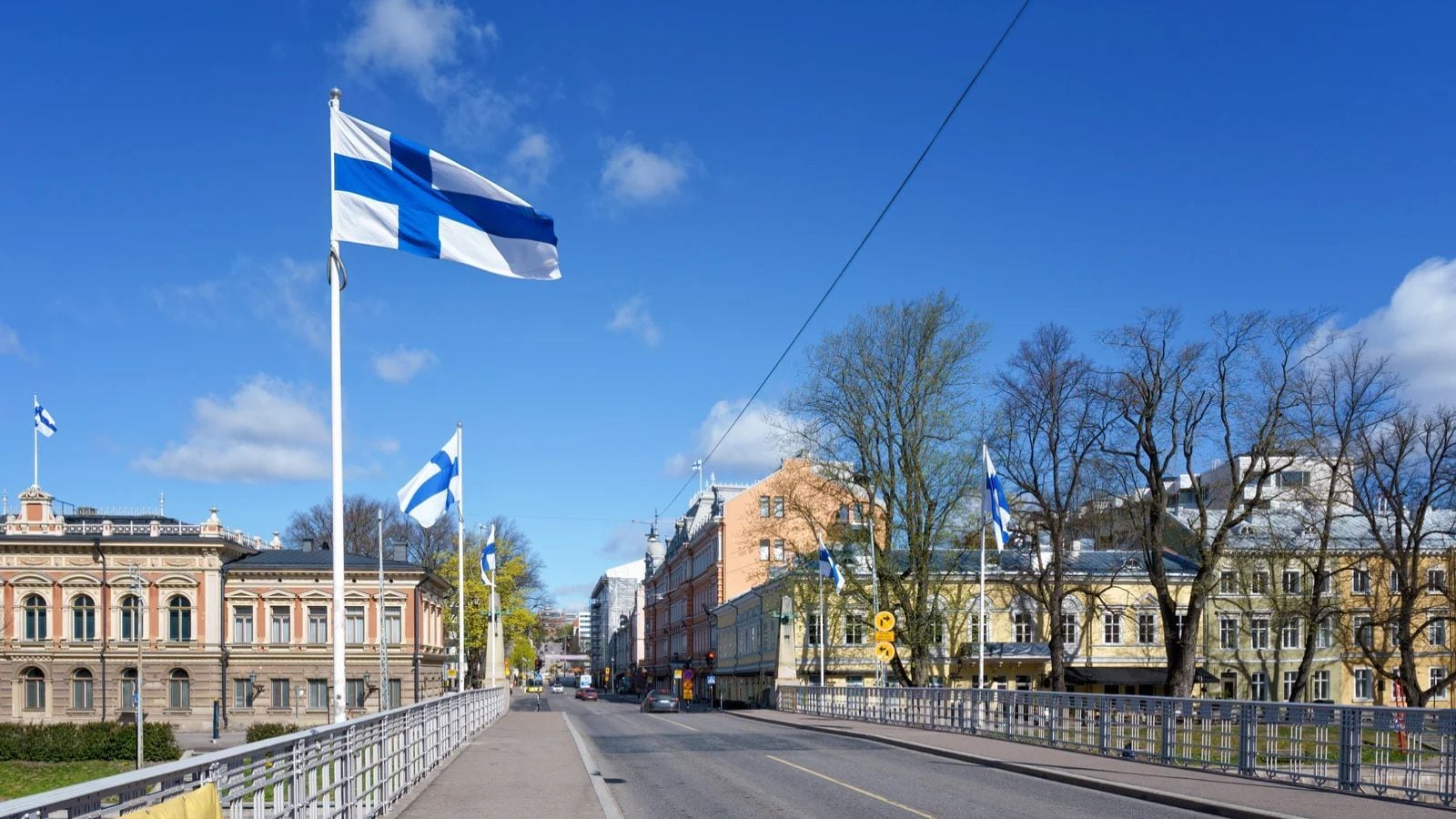
Finland consistently tops global happiness metrics because Finns have remarkably realistic expectations, high trust in public institutions, and low income inequality. What the glossy travel articles leave out is the social isolation.
According to annual Expat Insider surveys conducted by InterNations, Nordic countries routinely rank near the very bottom for "Ease of Settling In" and "Making Local Friends." You can have the strongest passport on earth and the cleanest air in Europe, and still spend Friday nights staring at your ceiling because breaking into established Nordic social circles requires superhuman patience. Happiness for locals does not equal hospitality for newcomers.
The Tax and Cost Trap
High-ranking welfare states do not run on good vibes. They run on aggressive taxation and sky-high consumption costs.
If you relocate to Denmark or Finland to chase that top-tier lifestyle, you are walking straight into marginal income tax rates that hover well above 50%, paired with 25% value-added taxes on almost everything you buy. For a local who gets subsidized university, free healthcare, and a guaranteed pension from cradle to grave, that trade makes sense. For a mid-career professional or entrepreneur arriving at age 35, you are paying maximum freight into a system you did not use for the first three decades of your life.
Diminishing Returns on Visa-Free Travel
Here is a secret the passport-ranking industry hates admitting: beyond 150 visa-free destinations, the marginal utility of a passport drops to almost zero.
Whether your passport gets you into 192 countries (like Finland or Singapore) or 175 countries (like several Eastern European or Latin American nations) makes virtually no difference to your actual life. How often are you spontaneously flying to Burkina Faso or Nauru on a Tuesday?
Once your passport clears the major economic blocs—the Schengen Area, the United Kingdom, North America, and key Asian hubs—extra points on a mobility index are pure vanity. Yet people obsess over the top 10 as if spot number 12 leaves you trapped behind an iron curtain.
What People Actually Ask (And Why the Questions Are Wrong)
When these rankings drop every year, search engines flood with predictable questions. Let us tear down the assumptions behind them.
"Which country has the happiest citizens and best passport in 2026?"
You are asking the wrong question. A country's aggregate happiness score tells you nothing about your compatibility with that country. Instead of asking who ranks highest, ask: Which jurisdiction rewards my specific stage of life, income source, and temperament?
An extroverted digital nomad earning location-independent income will be miserable in Zurich and thriving in Buenos Aires or Bangkok—neither of which ever cracks the top 10 of a Western happiness-passport hybrid index.
"How easy is it to move to Finland or the top 10 countries?"
Harder than the headlines imply, and getting harder. Across Western and Northern Europe, governments have spent the last three years tightening residency requirements, raising minimum income thresholds for work permits, and extending naturalization timelines. In Finland, recent legislative reforms pushed the standard residency period for citizenship up to eight years, alongside stricter self-sufficiency rules.
"Is a top-10 passport worth renouncing my current citizenship for?"
Several top-10 nations—or adjacent European powerhouses—still enforce strict rules against dual citizenship, though countries like Germany and the Netherlands have debated or reformed aspects of this recently. Giving up your birthright citizenship for a marginal bump in visa-free travel is almost always a strategic blunder. Once you renounce, you cannot undo it.
How to Build a Real Mobility and Lifestyle Strategy
Stop reading annual country rankings like sports standings. If you want genuine freedom and a better daily life, ignore the top 10 lists and build your own matrix around three variables.
1. Separate Your Tax Residency from Your Lifestyle Base
The smartest global citizens do not look for one magical unicorn country that does everything well. They split their footprint.
You can establish legal residency in a territorial-tax or low-tax jurisdiction, spend half the year in a vibrant, high-energy cultural hub where your money goes three times as far, and use your existing passport (supplemented by a strategic second residency) to move freely between them. You do not need to live in Helsinki for eight years to enjoy European travel access.
2. Audit "Friction," Not "Happiness"
Before you commit a single dollar to a relocation or citizenship-by-investment program, measure daily friction:
- Banking friction: Can you open a local bank account in 48 hours without bringing a binder of notarized birth certificates?
- Language friction: Can you handle a medical emergency or a lease dispute in English, or will bureaucracy crush you until you reach B2 fluency?
- Climate friction: Have you actually experienced a Nordic November, when the sun sets at 3:30 PM and slush covers the sidewalks for four months? Do not judge a country by its July tourism photos.
3. Look at the "Middle Tier" Overachievers
While everyone fights over the top 10, the best value in global mobility sits between spots 15 and 40.
Countries like Portugal, Spain, Uruguay, Costa Rica, and Malaysia offer massive lifestyle upside, warmer climates, friendlier social integration, and accessible residency pathways. Yes, a Uruguayan or Malaysian passport has fewer visa-free points than a Finnish one. No, you will not notice the difference when you are sitting on a terrace in February with zero seasonal depression and half the tax bill.
The Honest Downside of Rejecting the Top 10
My approach is not without risk. If you bypass the wealthy, hyper-stable Nordic and Western European nations for emerging or mid-tier jurisdictions, you trade away institutional predictability.
In lower-ranked countries, bureaucracy moves slower. Infrastructure can be inconsistent. Currency fluctuations might disrupt your local budget, and political shifts can alter visa rules with little warning. If your number one priority in life is absolute institutional safety, predictable public transit, and zero administrative surprises—and you are willing to pay steep taxes and endure long winters to get it—then the top 10 list actually serves you well.
For everyone else, it is a trap.
A passport is a travel document, not a personality transplant. A happiness index is a sociological snapshot, not a guarantee of your personal joy. Stop letting clickbait rankings dictate where you build your life, close the tab on the top 10 list, and book a three-month winter stay in the place you think you want to live before you sign a single visa form.