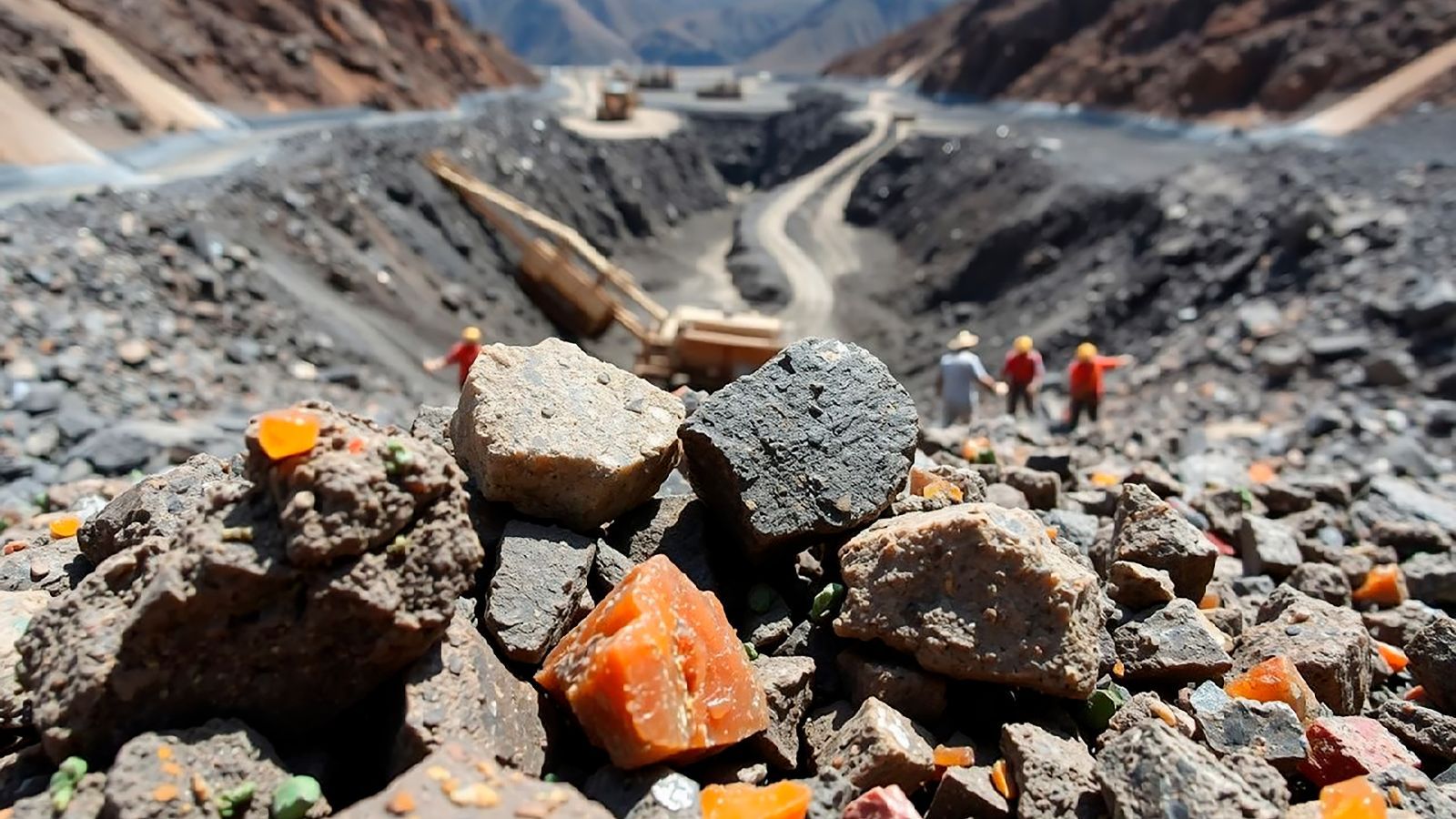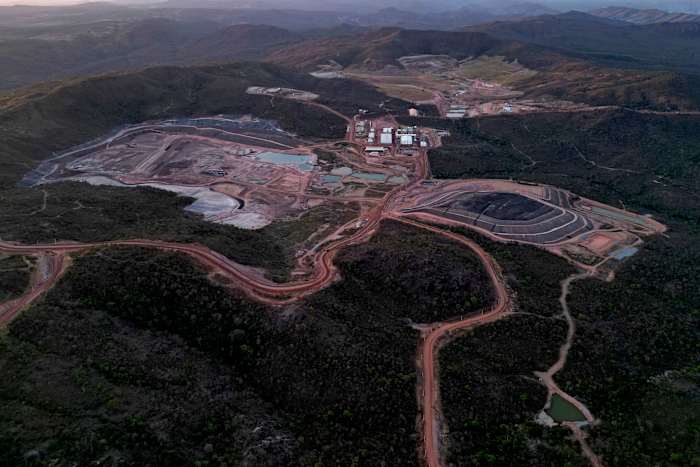
Everyone in the supply chain corridors is cheering the new pivot toward Brazil for rare earth elements. Western governments desperate to decouple from dominant Asian suppliers are treating South America like a shiny new life raft. It feels proactive. It feels like strategy.
It is actually a delusion. Recently making waves in related news: Stop Blaming Hui Ka Yan For Evergrande The Entire System Was Built to Fail.
I have spent the last fifteen years watching executives throw nine-figure budgets at geographical diversification while ignoring the actual physics of the problem. They think the bottleneck in rare earths is finding dirt with neodymium in it. That is like looking at a crude oil leak and assuming the crisis is a lack of shovels.
Brazil has deposits, yes. Brazil also has a regulatory maze, zero domestic midstream processing capacity at scale, and an environmental licensing bureaucracy that moves at glacial speed. Swapping one geopolitical headache for a domestic administrative quagmire solves nothing. More insights into this topic are covered by Bloomberg.
The Processing Illusion
The lazy consensus in every geopolitical brief right now is that sovereign extraction equals supply security. Dig it up in Minas Gerais, put it on a cargo ship, and call it a day.
This ignores the brutal reality of the midstream. Mining raw rare earth oxides is the easy part. It is the dirtiest, cheapest step in the chain. The real choke point is separation and metallization. You cannot simply scoop monazite sand and feed it into a wind turbine magnet. You need massive chemical separation facilities that utilize solvent extraction batteries running through hundreds of stages.
China does not dominate this market because they own every shovel in the ground. They dominate because they spent thirty years engineering the chemical infrastructure to refine the mess. They absorbed the environmental degradation, mastered the acid recovery, and trained the chemical engineers.
Brazil currently lacks that industrial ecosystem. If you mine rare earths in South America and ship them raw across the ocean for processing because local infrastructure cannot handle the waste streams, you have achieved zero independence. You have just added a middleman and a longer transit route to your vulnerability checklist.
The Regulatory Trap
Let us talk about what happens on the ground in Brazil. The mining code is not built for the hyper-speed demands of the energy transition. Environmental licensing through agencies like Ibama can take years, sometimes decades, for major industrial projects.
Imagine a scenario where a Western defense contractor signs a decade-long off-take agreement with a junior miner near the Amazon basin. Funding is secured. Excavators roll in. Then, a local injunction halts construction over indigenous land rights or watershed protection. The stock tanks. The supply line vanishes before a single ton of magnet-grade alloy reaches an assembly line.
This is not a hypothetical fear. It is the default operating condition for resource extraction in South America. Investors backing these ventures are pricing in Western legal stability where none exists. They are confusing geological potential with operational certainty.
What The PAA Gets Wrong
People ask why Western automakers do not just finance Brazilian mines directly to lock in supply. The question itself exposes a fundamental misunderstanding of capital allocation in heavy industry.
Throwing money at a junior mining stock does not build a refinery. Wall Street loves a good ESG-compliant resource story because it checks the diversification box for annual reports. But balance sheet announcements do not bypass the laws of chemistry.
If you want true supply chain resilience, stop obsessing over where the rocks come from and start investing in the boring, unsexy chemistry of recycling, substitution, and domestic refining capacity.
We do not need more dirt. We need fewer delusions.
Stop funding wishful thinking in the jungle. Build the processing plants at home, or accept that you are just renting your vulnerability from a different landlord.