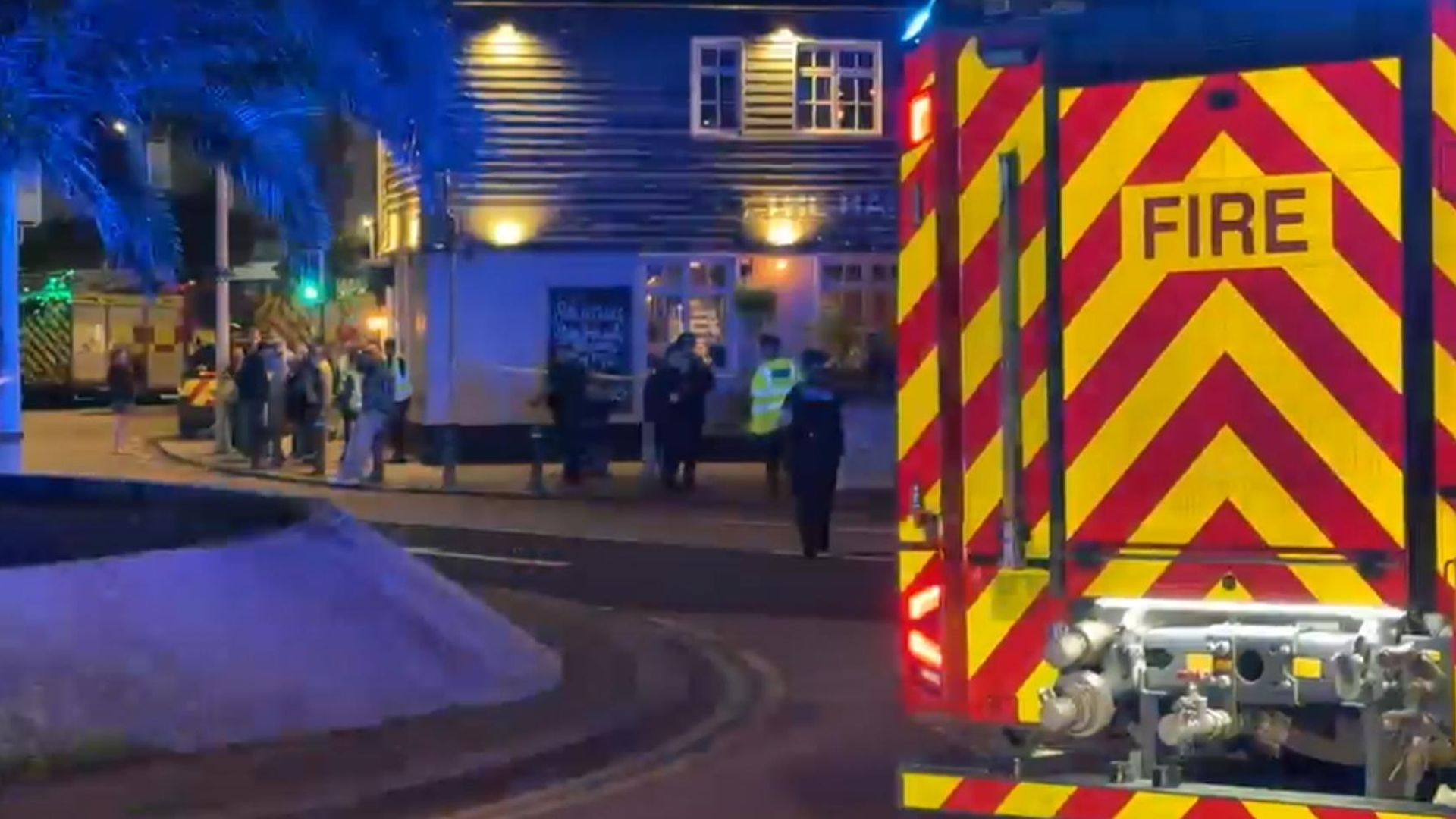
Six people woke up in hospital beds following a chaotic early-morning vehicle strike on Saint Joseph Boulevard during the renowned Festival Western de Saint-Tite in rural Quebec.
The incident, which unfolded around 4:30 a.m., left four men and two women aged seventeen to twenty-one with injuries ranging from minor to serious, instantly puncturing the festive atmosphere of a town that swells from thousands of permanent residents to hundreds of thousands of country music enthusiasts every September. Meanwhile, you can find other stories here: Why Treating Every Protest Like a Riot Guaranteed Chaos in The Hague.
Provincial police, the Sûreté du Québec, moved quickly to establish a perimeter, tracking the fleeing vehicle down to the Quebec City region within an hour and apprehending a suspect in his twenties. Yet the initial panic yielded to a more complex narrative once investigators began unpicking the hours leading up to the collision. Authorities confirmed that the driver had been involved in multiple altercations on the festival grounds prior to getting behind the wheel.
The distinction between calculated terror and explosive, alcohol-fueled street violence matters profoundly in how authorities respond and how a community heals. To see the full picture, we recommend the excellent report by BBC News.
Public security officials and provincial police leadership were explicit in the immediate aftermath: this was not a premeditated act of terror, nor was it a coordinated vehicular assault designed to maximize ideological damage. Instead, investigators pointed toward an escalating physical confrontation between intoxicated groups that bled out from the crowded venue corridors onto the asphalt of Saint Joseph Boulevard.
The Vulnerability of Open Corridors
Rural festivals face a persistent design contradiction. Organizers want open, welcoming environments that invite free movement between stages, saloons, and local businesses. Yet closing down municipal arteries entirely often creates logistical nightmares for emergency services and local residents alike.
Saint Joseph Boulevard serves as the primary commercial spine of Saint-Tite. During the ten-day western event, it transforms into a pedestrian-heavy thoroughfare lined with temporary bars, vendors, and crowds moving fluidly between venues in the pre-dawn hours.
When an argument inside a venue spills outside, the proximity of parked or moving vehicles introduces an immediate, lethal hazard. Physical bollards and heavy vehicle barriers are standard requirements for urban centers hosting massive street gatherings in major metropolitan zones. In smaller historic towns like Saint-Tite, implementing heavy urban security infrastructure remains economically and logistically daunting.
The reliance on police patrols and temporary street closures functions adequately under normal conditions, but it fails to stop an individual determined to reach a parked car after a fistfight.
Accountability and the Judicial Aftermath
Within forty-eight hours of the arrest, the suspect was released from police custody on a promise to appear in court, a decision that drew immediate scrutiny from observers accustomed to seeing higher-profile custody holds for violent offenses.
Under Canadian criminal procedure, the decision to release an accused person pending trial depends on statutory factors including the likelihood of reoffending, flight risk, and the necessity of maintaining confidence in the administration of justice. Because investigators determined the act lacked premeditation and stemmed from a localized brawl, the Crown prosecutors and police assessment permitted a release with strict conditions while the file is prepared for court.
The victims, meanwhile, faced a long recovery road. Four men and two women, all young adults at the threshold of their lives, absorbed the physical and psychological toll of a night out turned violent.
Political leaders across Quebec issued standard statements of solidarity, thanking first responders and expressing relief that the casualties were not fatal. But statements of sympathy do little to answer the structural questions facing rural tourism economies.
Festivals like the Saint-Tite Western event generate millions of dollars for regional economies that otherwise rely on forestry and small-scale agriculture. They are cultural touchstones for Quebec's rural identity. When violence mars these celebrations, the pressure falls squarely on municipal councils and event organizers to re-evaluate crowd management protocols.
The core issue extends beyond a single bad actor or an isolated brawl in a country bar. It exposes the friction points of mass gatherings where alcohol consumption, dense pedestrian traffic, and vehicular access intersect without sufficient physical buffers.
As the investigation moves toward court proceedings, the town of Saint-Tite returns to its quiet routine, leaving organizers to calculate the true cost of keeping the gates open.