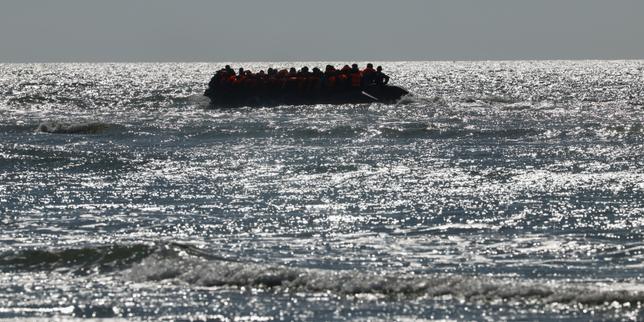
Two more lives vanished into the grey swells of the English Channel, adding to an escalating toll that has transformed one of the world's busiest shipping lanes into a graveyard for the desperate. The tragic drowning of these migrants off the French coast is not an isolated maritime accident. It is the predictable outcome of an enforcement strategy that treats human desperation as a logistical problem to be solved exclusively through physical barriers and maritime blockades.
When rubber dinghies deflate in freezing waters, politicians in London and Paris issue predictable condemnations of smuggling networks. They promise tougher policing, more surveillance drones, and larger cash transfers to secure shorelines. Yet, veteran observers of border enforcement know a stark reality. Every time police dismantle a departure camp in Calais or Dunkirk, the smuggling syndicates simply adapt. They move further down the coast, use flimsier vessels, and cram more human beings into lifeboats that were never designed to weather the open sea.
The mechanics of these crossings reveal a market driven entirely by scarcity and risk. As law enforcement tightens controls on legal pathways and primary transit ports, the price for a seat on an overloaded skiff skyrockets. Smugglers pocket thousands of euros per passenger while cutting corners on safety equipment. Life jackets are frequently discarded foam blocks rather than certified flotation devices. Engines are salvaged from scrap heaps. The worse the security clampdown, the higher the profit margin for organized crime networks, and the greater the peril for the people trapped inside the system.
Governments talk endlessly about smashing the business model. Experience shows that militarized deterrence without safe, regulated alternatives achieves the exact opposite. It hardens the monopoly of ruthless operators. When desperate individuals face indefinite detention, destitution in home countries shattered by conflict or economic collapse, and closed embassies offering zero visa access, a perilous night voyage across a shipping lane looks less like a gamble and more like the only remaining exit.
Decades of border policy history demonstrate that containment walls merely displace movement rather than halt it. Unless policymakers confront the structural push factors and create viable legal channels for asylum and migration, the English Channel will remain a lethal obstacle course. The tragedy extends far beyond the two lives lost in the recent incident. It implicates a collective political failure that prioritizes optical deterrence over human preservation, ensuring that more bodies will wash ashore long before any lasting solution takes root.