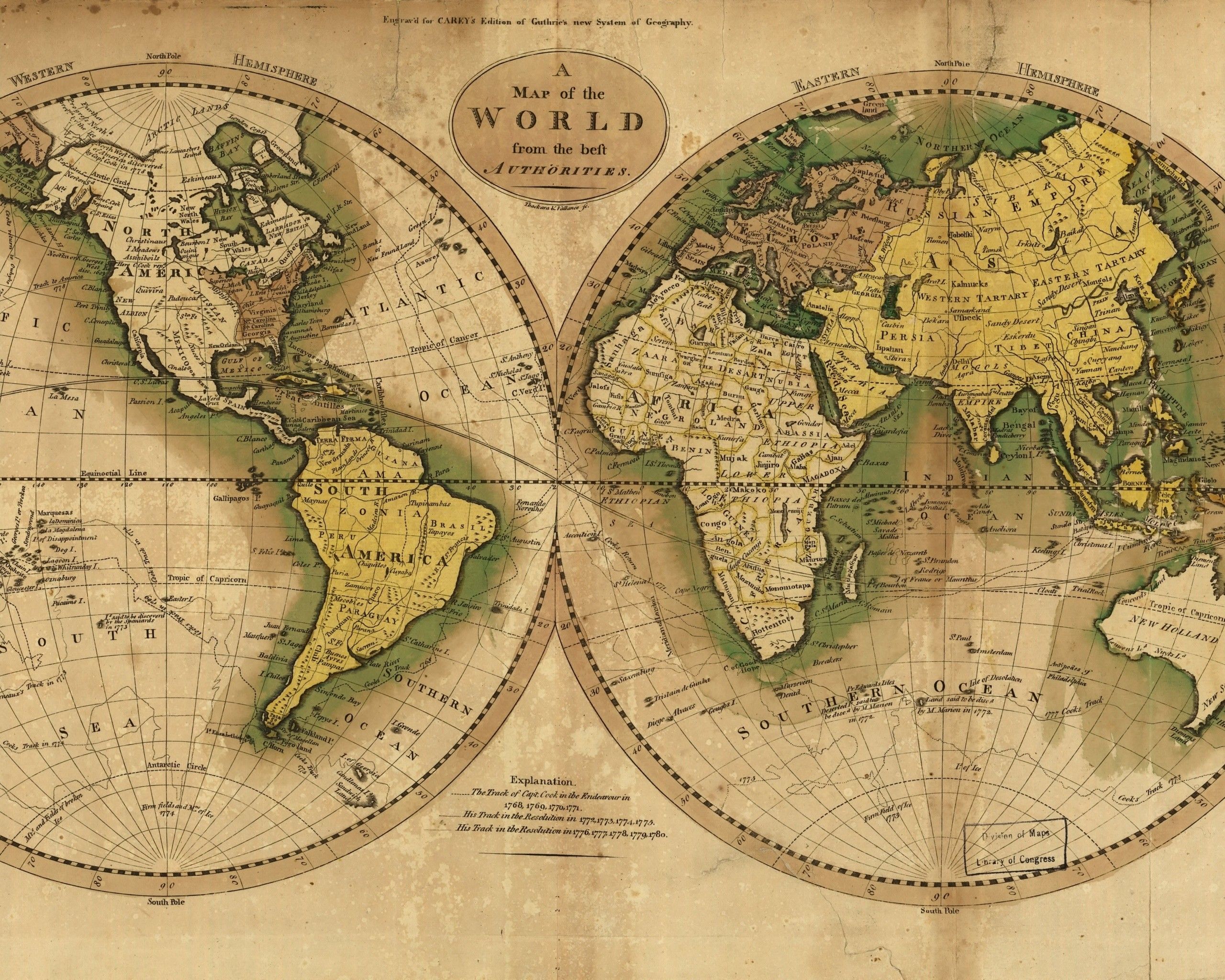
When Donald Trump floated the idea of renaming the Atlantic or Pacific Ocean to "Trump Ocean" or the "Ocean of the Americas" during a rally circuit, mainstream pundits treated it as another fleeting headline, a rhetorical flourish designed to juice crowd engagement. They laughed. They categorized it under political theater.
They missed the structural mechanics entirely.
This is not about an ocean. This is about cartographic sovereignty, corporate compliance, and the weaponization of digital map interfaces in modern statecraft. When a head of state attempts to relabel international bodies of water, the ambition stretches far past domestic political posturing. It targets the private digital infrastructure that dictates how eight billion people perceive the globe.
The Cartographic Playbook
To understand why an ocean proposal matters, examine what preceded it. Over the prior eighteen months, the administration executed a series of targeted administrative renamings that moved from domestic administrative territory to international friction points.
Federal agencies were directed to adopt "Gulf of America" for the Gulf of Mexico, triggering immediate diplomatic fallout and a lawsuit from foreign stakeholders against digital service providers. Later, Lake Ontario became "Lake America" in federal nomenclature during trade disputes with northern neighbors. Geographic features were systematically repurposed as diplomatic leverage points.
These campaigns share a common denominator: the digital map layer. Physical markers change slowly, but software updates instantly. If a domestic regulatory body or an influential executive order mandates a geographic label, private mapping monopolies face an immediate commercial and political dilemma. Do they comply locally, risk international fragmentation of their product, or push back against executive pressure?
The Silicon Valley Chokepoint
The oceanic ambitions hit a hard wall when they crashed into corporate self-preservation. According to reports detailing direct communications between the White House and tech leadership, the administration approached major digital mapping providers to test the viability of renaming the Atlantic.
The response was a flat refusal. Tech executives drew a sharp line between regional bodies of water and global oceanic basins, noting that oceans span dozens of sovereign jurisdictions, international waters, and global trade lanes. Altering a gulf or a border lake for a domestic audience creates regional headaches; altering the Atlantic or Pacific fractures the global standard upon which international navigation, aviation, and logistics depend.
This friction exposes a profound vulnerability in modern information systems. We rely on centralized corporate mapping monopolies to maintain a single, objective version of planetary geography. When political actors treat those interfaces as malleable branding opportunities, the neutral ground of global navigation turns into a contested ideological frontier.
The Cost of Symbolic Imperialism
Geographic naming conventions have always reflected power dynamics. Empires rename colonies, victors rename cities, and revolutionaries scrub the maps of their predecessors. But in an era where cartography is digitized, centralized, and privatized, attempting to rename an ocean is less an act of historical conquest and more an exercise in algorithmic lobbying.
The strategy relies on normalization through repetition. By tossing out grandiose proposals like "Trump Ocean" or the "Trump Strait", extreme demands make lesser interventions look palatable by comparison. Even if the ocean remains the Atlantic, the conversation has successfully shifted the boundaries of what corporate platforms are asked to accommodate.
Geopolitical authority used to be measured by gunboats and treaties. Today, it is measured by API integration and regional software patches. Until international bodies establish rigid, non-negotiable standards for global commons, digital maps will remain vulnerable to domestic political winds, transforming global geography into a patchwork of localized illusions.
Trump suggests renaming the Atlantic Ocean the 'American Ocean'
This video captures the primary source footage of the political rally where the administrative renamings of international waters were publicly proposed.


