Canada just stepped up to host a new multilateral defence bank. This isn't just another bureaucratic office in Ottawa. It’s a massive shift in how NATO allies plan to fund the hardware and technology required for modern security. For years, the private sector has been skittish about touching military contracts. Big banks often have "ethical" filters that treat a shell casing the same way they treat a pack of cigarettes. This new institution aims to change that.
The announcement came during the NATO summit in Washington, and it signals that the era of "peace dividends" is officially over. Canada’s decision to play host is a play for relevance. We’ve been under fire from allies for not meeting that 2% GDP spending target. By housing this bank, the Canadian government is trying to show it can contribute more than just boots on the ground—it can provide the financial infrastructure for the entire alliance. Also making waves recently: The Empty Pavements of Red Square.
Why a Defence Bank Matters Right Now
You can’t build a modern air defence system or a fleet of drones on credit cards and good intentions. High-interest rates and restrictive lending policies have throttled the growth of smaller defence contractors. If you're a startup building AI for satellite surveillance, getting a loan from a traditional retail bank is a nightmare. They see "defence" and they see "risk."
The new multilateral defence bank serves as a specialized lender. Think of it like the World Bank, but for tanks, cyber defence, and artillery shells. It provides the capital that private markets are too nervous to touch. This is about building a supply chain that doesn't collapse the moment a conflict breaks out. Additional details on this are explored by USA Today.
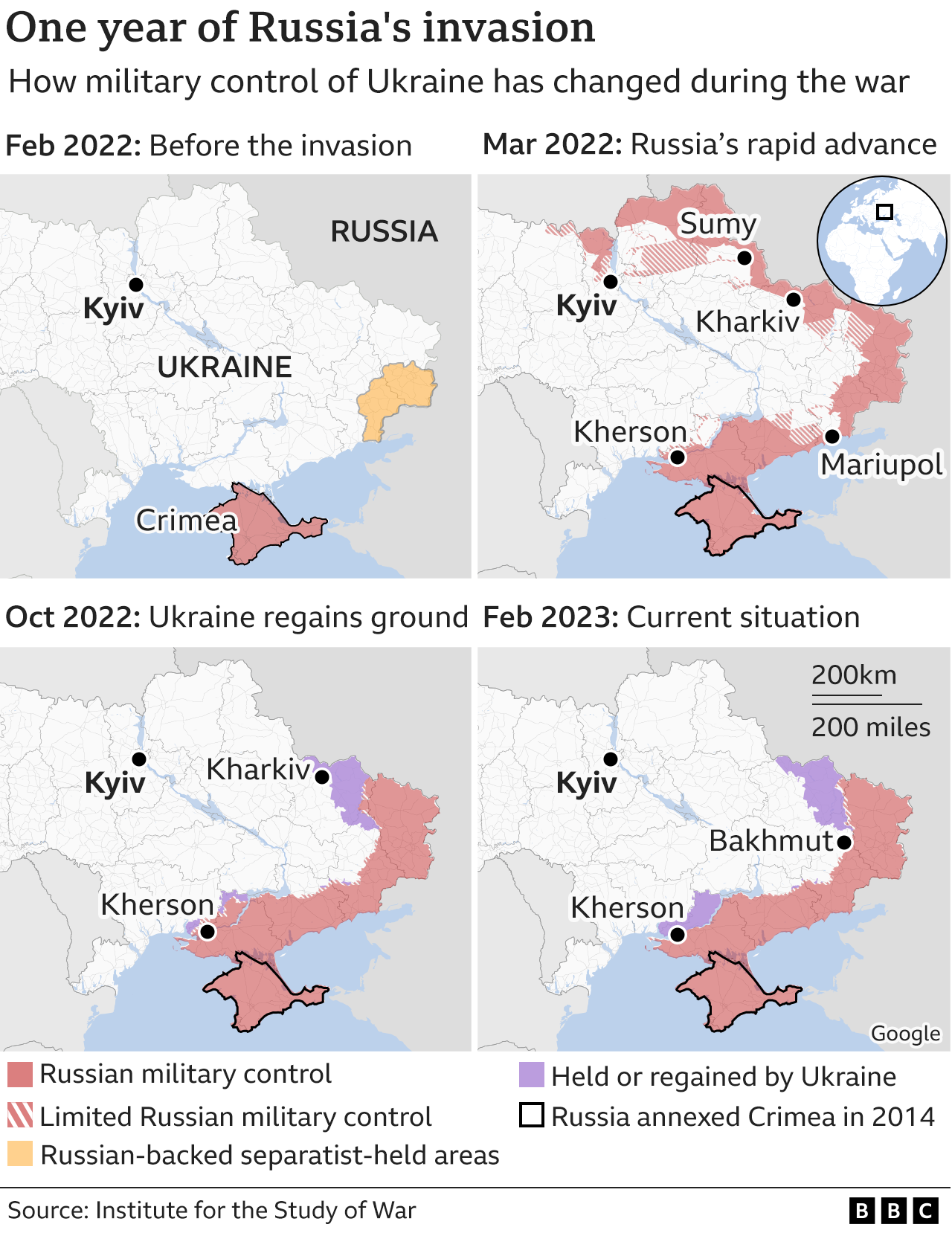
We’ve seen the struggle in real-time. Ukraine’s need for constant resupply exposed the fact that Western industrial bases aren't ready for a long war. We’re great at making a few very expensive jets. We’re terrible at churning out the millions of basic rounds needed for a sustained fight. This bank is designed to fund the factories that make those rounds.
Canada’s Strategy to Stay in the Room
Let’s be real. Canada has a reputation for being the "freeloader" in NATO. Presidents from both sides of the aisle in the U.S. have called us out for it. Hosting this bank is a strategic move to deflect some of that heat. It’s a way for Ottawa to say, "Look, we’re providing the home for the alliance’s wallet."
But hosting is different from spending. While it’s a win for Canadian diplomacy, it doesn't automatically fix the domestic procurement mess. Our own military is still dealing with decades-old equipment and a hiring crisis. Hosting the bank gives us a seat at the table where the big decisions are made, but it also puts a spotlight on our own ledger.
The Problem with Ethical Investing
For the last decade, ESG (Environmental, Social, and Governance) scores have ruled the financial world. It’s been great for green energy, but it’s been a disaster for national security. Many pension funds and investment banks have internal rules that strictly forbid investing in anything "lethal."
This creates a paradox. We want the protection that a strong military provides, but we don't want our money to touch the companies that build the tools. This new bank effectively bypasses those "woke" capital constraints. It creates a dedicated pool of money that understands defence is a necessary utility, not a moral failing.
How the Bank Will Actually Work
It won't just be Canada writing checks. This is a multilateral effort. Member nations contribute capital, which is then used to back loans or provide guarantees to defence firms across the alliance.
- Lowering the cost of capital: By having sovereign backing, the bank can offer better rates than a commercial lender.
- Long-term projects: Defence tech takes decades to develop. Traditional banks want returns in five years. This bank can wait twenty.
- Cross-border collaboration: It makes it easier for a French company and a Canadian company to co-develop a new sonar system because the funding is unified.
The goal is to create a "defence ecosystem." Right now, the industry is fragmented. Every country wants to protect its own domestic players. A multilateral bank forces a bit of cooperation. If the bank is funding a project, it’s usually because that project benefits the whole alliance, not just one prime minister’s re-election campaign in a specific district.
The Economic Ripple Effect for Ottawa and Beyond
Hosting the headquarters means hundreds of high-paying jobs in finance, law, and security right in Canada. It also means that Canadian firms might get a "home-field advantage" when it comes to networking. If the people making the lending decisions are based in Toronto or Ottawa, our domestic tech sector has a direct line to the decision-makers.
We have a growing "dual-use" tech scene. These are companies making things like sensors, specialized software, or advanced materials that work for both civilians and the military. These firms are the ones that stand to gain the most. They don't have the massive lobbying budgets of Lockheed Martin or Boeing. They need a bank that actually understands their business model.
Challenges and Roadblocks
It’s not going to be all smooth sailing. There are massive questions about how this bank will be governed. Who decides which projects get the money? If a project involves a technology that one member country doesn't want to share, things get messy.
There's also the "burden sharing" debate. Some allies might see Canada’s hosting of the bank as a "get out of jail free" card regarding that 2% GDP target. Don't expect the U.S. or the Eastern European members to stop complaining about our low defence budget just because we provided the office space for a bank.
Security and Interference
Putting a target on our back is part of the deal. A multilateral defence bank is a prime target for cyberattacks and espionage. If you’re a hostile foreign power, knowing exactly who is getting funded and for what technology is a gold mine. Canada will need to significantly beef up its own counter-intelligence and cyber security frameworks to protect this institution. We haven't exactly been the gold standard for stopping foreign interference lately, so this is a major test.
Practical Realities of Defence Financing
If you're in the tech or manufacturing space, this is the time to watch the "defence" label. The definition of what constitutes a "defence" company is expanding. It now includes:
- Quantum computing startups working on encryption.
- Biotech firms developing tech for medic-evac scenarios.
- Clean energy companies making portable micro-grids for the field.
The bank is looking for innovation, not just more of the same. The old-school "iron and steel" companies will still get their share, but the real growth is in the software-defined warfare space.
To get involved, companies need to start aligning their compliance and security protocols with NATO standards now. Don't wait for the bank to open its doors. The paperwork alone for these types of contracts can take years. Start the "clearing" process early. Ensure your intellectual property is protected and your supply chain is transparent. That's what a lender of this caliber will look for.
Watch the official announcements from the Department of National Defence and the Department of Finance. They’ll be the ones outlining the specific criteria for the bank’s initial "call for projects." If you're an investor, look at the Canadian aerospace and tech ETFs. The influx of institutional support for defence is a tide that will likely lift all those boats. The era of treating defence like a "sin stock" is ending. Canada is now the center of that transition.