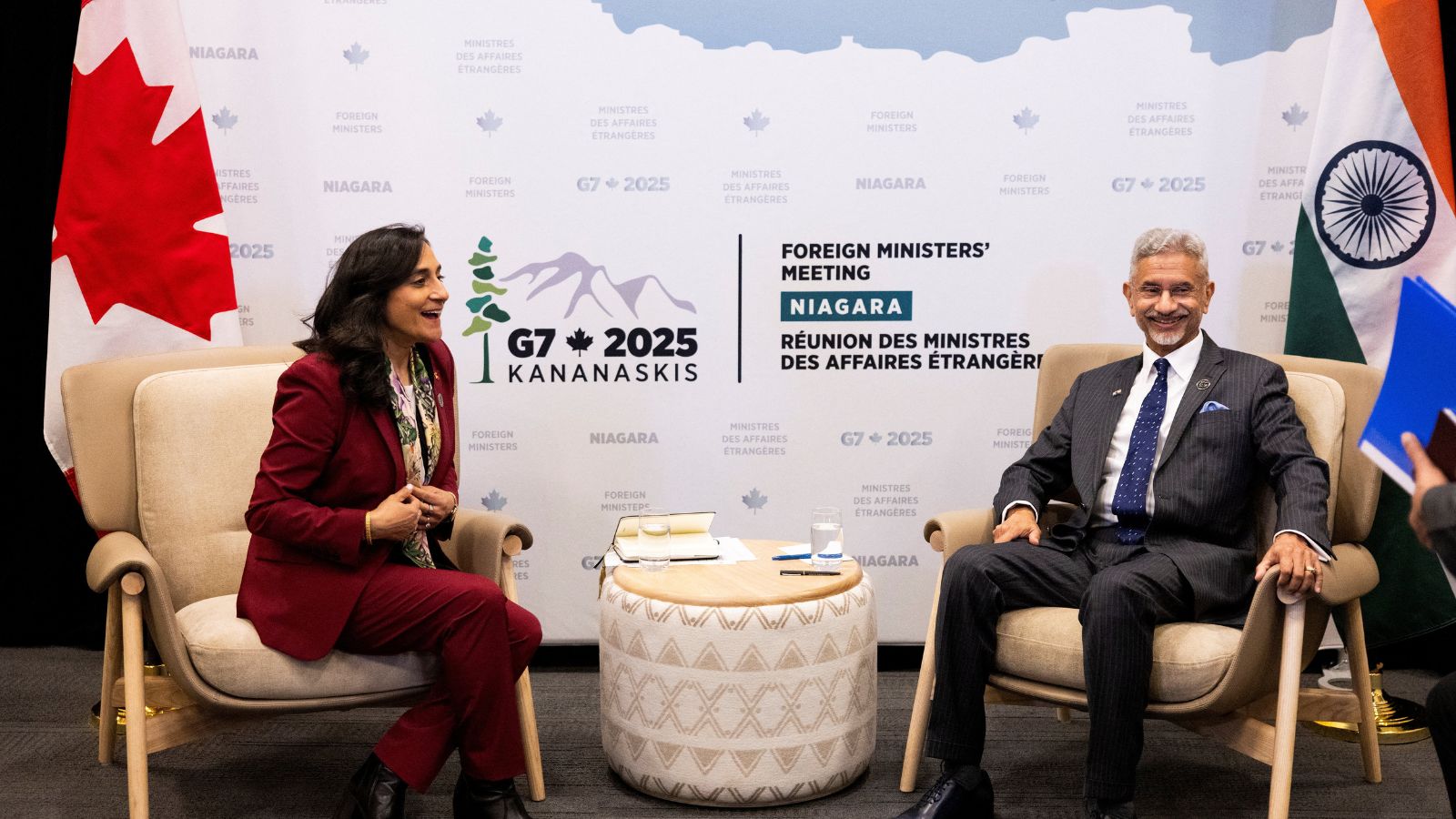
International diplomacy usually moves at a glacial pace, but every so often, two major democracies decide to skip the bureaucratic delays and fix a broken relationship. That is precisely what happened when Canadian Foreign Minister Anita Anand met with India's External Affairs Minister Subrahmanyam Jaishankar in New Delhi.
If you have been following international news over the past few years, you know that ties between Ottawa and New Delhi hit a severe rough patch. Accusations flew, ambassadors were pulled, and economic collaboration stalled. But realpolitik always wins in the end. Both governments realize that ignoring each other is a losing strategy, especially when global supply chains are shifting and economic uncertainty is the only constant.
What’s Actually on the Table
Instead of getting bogged down by past grievances, Anand and Jaishankar focused heavily on execution. They reviewed the comprehensive bilateral roadmap designed to put Canada-India relations back on track.
Trade is the obvious anchor here. Officials are pushing hard toward concluding a comprehensive economic partnership agreement. For Canadian businesses looking to diversify away from traditional markets, India represents a massive consumer base that cannot be ignored. For India, Canadian critical minerals, agricultural exports, and clean technology are essential inputs for sustained domestic growth.
Energy security also dominated the discussions. Canada’s vast mining expertise and resource wealth align neatly with India's surging energy demands. When you look past the political headlines, the economic logic driving these two countries together is simply too powerful to resist.
The Human Element and Upcoming Visits
Diplomatic texts and trade pacts matter, but the heartbeat of this relationship remains people-to-people ties. Millions of Canadians trace their heritage to India, creating a living bridge of culture, education, and family. Both ministers emphasized upgrading higher education networks, scientific research exchanges, and professional mobility to ensure that talent flows freely between the two nations.
All eyes are now turning toward Prime Minister Narendra Modi's scheduled visit to Canada. High-level visits of this magnitude are rarely ceremonial; they serve as deadline pressure for diplomats to lock in agreements before the leaders step in front of the cameras. If both sides maintain their current momentum, December's summit will mark the definitive turning point of a turbulent decade.
The road ahead won't be entirely smooth, because domestic politics in both countries can be unpredictable. But right now, the pragmatic approach has taken the wheel.
Jaishankar Meets Canada's Anita Anand In Atlanta, India ...
This video provides additional context on the high-level diplomatic engagements between Indian and Canadian foreign officials leading up to their bilateral roadmap discussions.