Mainstream reporting loves a simple villain. When investigative outlets publish exposés claiming that Iranian-backed militias in Iraq are raking in hundreds of millions of dollars through illicit oil smuggling, the narrative writes itself. Shadowy tankers. Rogue armed groups. Sanctioned regimes stealing state wealth in the dark of night.
That framing makes for gripping headlines, yet it completely misunderstands the political economy of Baghdad. According to reporting by Reuters and analysis from energy market researchers at Chatham House, the movement of Iraqi fuel oil onto international markets is not a rogue theft operating outside the state. It is an entrenched, semi-official patronage system woven directly into Iraq's formal ministries, state-owned enterprises, and maritime logistics networks.
Calling this phenomenon a "proxy side hustle" treats a structural governance crisis like a localized policing problem. If policymakers and energy traders view Iraqi oil smuggling merely as militias siphoning off crude with nocturnal trucks, every sanctions package and maritime interdiction effort will fail.
The Myth of the Rogue Shadow Fleet
The lazy consensus assumes that smuggling requires hiding from the state. In Iraq, the opposite is true. You cannot move millions of metric tons of heavy fuel oil across borders and onto ocean-going vessels without official paperwork, port access, and state-allocated quotas.
As documented in Reuters' 2024 investigative series on Iraqi fuel oil networks, the core mechanism relies on the Iraqi Ministry of Oil’s own distribution system. Domestic asphalt plants, brick factories, and power generation facilities receive heavily subsidized heavy fuel oil (HFO) from the state to support local industry and keep consumer prices low. The price spread between subsidized domestic HFO and international bunker fuel markets in the Persian Gulf creates an arbitrage opportunity worth hundreds of millions of dollars annually.
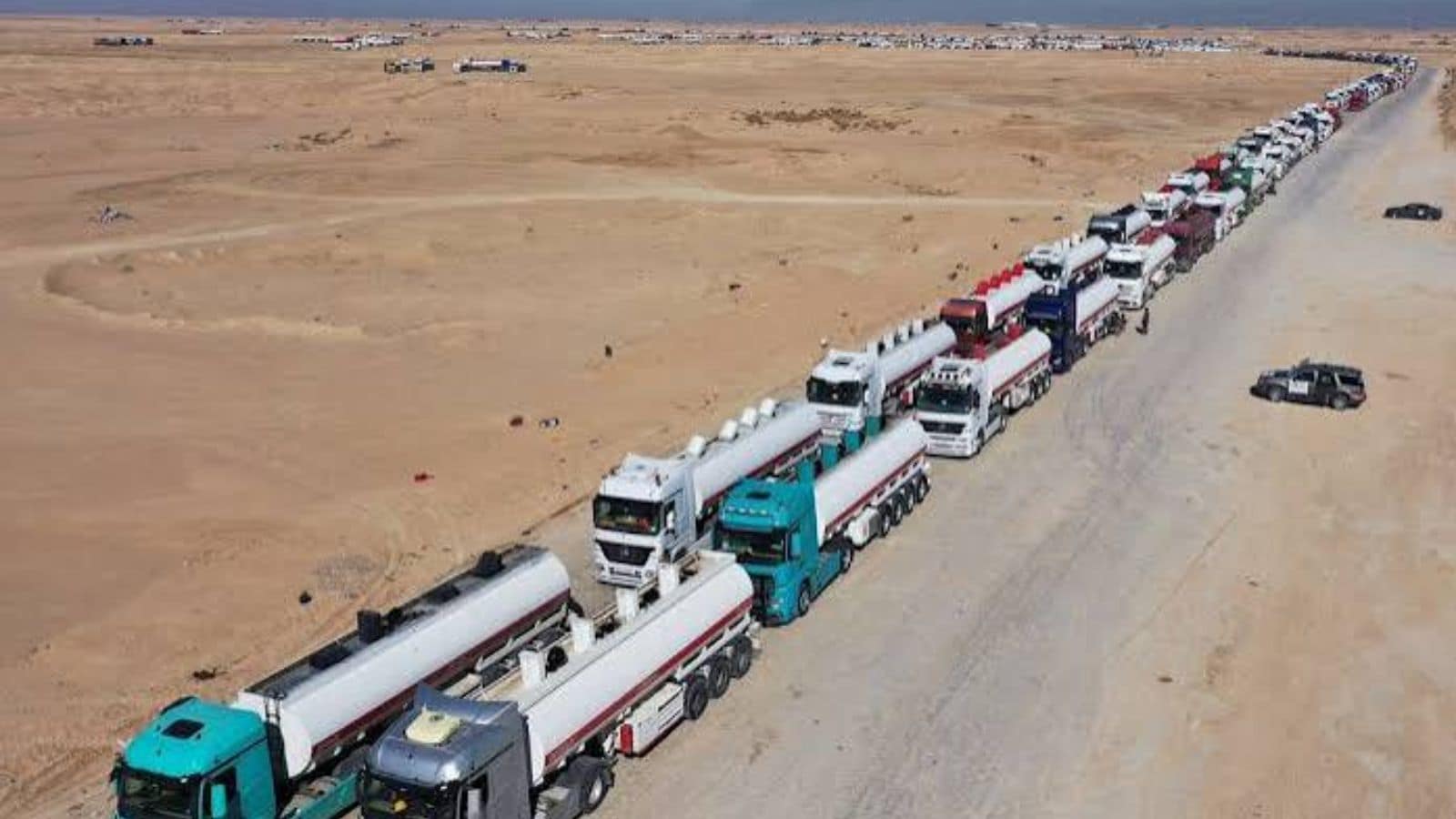
Militia-affiliated networks—including groups tied to the Popular Mobilization Forces (PMF)—do not need to drill secret holes in pipelines to capture that spread. Instead, politically connected business fronts acquire licenses for domestic industrial plants, claim subsidized fuel allocations on paper, and divert the physical product straight to tanker trucks heading toward southern ports like Khor al-Zubair and Umm Qasr.
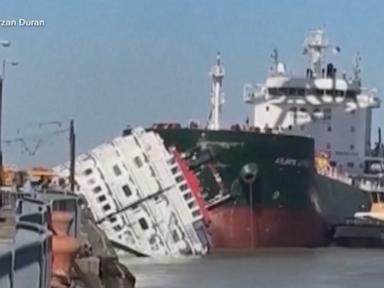
Once at the coast, the diverted fuel is blended with legitimate shipments, re-documented using forged or compromised certificates of origin, and transferred via ship-to-ship operations in the Persian Gulf. To international buyers in Asia and the Middle East, the cargo appears as compliant, non-sanctioned Iraqi or Emirati fuel oil.
Why "Proxy" Is the Wrong Analytical Lens
Labeling these networks purely as "Iranian proxies" obscures the domestic Iraqi incentives driving the trade. While armed factions like Asaib Ahl al-Haq and Kataib Hezbollah maintain close ideological and logistical ties to Tehran's Islamic Revolutionary Guard Corps (IRGC), their financial empire in Iraq serves their own political survival first.
Political economists such as Toby Dodge at the London School of Economics and researchers at the Carnegie Middle East Center have long highlighted how Iraq’s post-2003 power-sharing system—known as muhasasa—distributes state ministries among rival political blocs as revenue-generating fiefdoms. Armed factions transitioned into formal politics by capturing state institutions, securing public payrolls for hundreds of thousands of fighters, and winning lucrative government procurement contracts.
Oil smuggling is simply the downstream monetization of that political capture. When a faction controls key directorates within transport, customs, or energy agencies, diverting subsidized fuel becomes an administrative transaction rather than a guerrilla operation. Tehran benefits from an allied network that is financially self-sustaining and capable of blending Iranian sanctioned oil with Iraqi cargoes to mask its origin. Yet even if Iranian influence vanished tomorrow, the domestic Iraqi political class would fiercely defend the fuel-arbitrage machine because it funds their electoral campaigns, patronage networks, and security apparatuses.
How Subsidy Arbitrage Actually Works
To understand why enforcement fails, look at the numbers behind Iraq's energy subsidies.
- The Domestic Price Floor: Baghdad sells fuel oil to registered domestic industrial users at steep discounts—often a fraction of global market rates—to subsidize construction materials and electricity.
- The Ghost Factory Problem: Inspectors from Iraq’s Federal Board of Supreme Audit and independent energy monitors have repeatedly flagged discrepancies between the number of registered asphalt and brick plants and actual industrial output. Hundreds of facilities exist primarily as allocation vehicles.
- The Blending Wash: Heavy fuel oil from Iraq is mixed with higher-sulfur Iranian cargoes in floating storage off the coast of Fujairah or in Iraqi territorial waters. Blending alters the chemical fingerprint enough to frustrate basic customs screening while keeping the cargo profitable for regional bunkering hubs.
- The Financial Clearinghouse: Proceeds rarely travel back to Baghdad in suitcases of cash. Instead, complex webs of front companies in the United Arab Emirates, Turkey, and Iraq settle balances through trade-based money laundering, real estate acquisitions, and currency auctions.
Energy traders and compliance officers at major maritime insurers often assume they can screen out illicit cargoes by checking vessel transponders (AIS) and port call histories. Experienced maritime risk analysts know better. When state port authorities issue genuine bills of lading for diverted fuel, standard due diligence checks pass with flying colors. The fraud occurs upstream inside the domestic allocation bureaucracy, miles away from the coastline.
What Most Analysts Get Wrong About Sanctions and Enforcement
Does sanctioning specific militia commanders stop the oil flow?
No. Targeted U.S. Treasury designations against individual commanders or specific shipping companies rarely dent the overall volume of diverted fuel. When one shell company or tanker is blacklisted, the underlying domestic fuel quota remains intact. The political network simply registers a new local industrial entity, leases a different fleet of coastal tankers, and resumes shipments within weeks. Sanctions target the logistics layer while leaving the fiscal engine untouched.
Why doesn't the Iraqi government just eliminate fuel subsidies?
Because doing so triggers immediate political and social blowback. Every Iraqi prime minister who has proposed slashing domestic energy subsidies faces fierce resistance from both impoverished citizens reliant on cheap fuel and the parliamentary blocs whose patronage networks depend on the arbitrage spread. In a fragile coalition government where armed factions hold decisive parliamentary leverage, dismantling the subsidy regime is political suicide.
Is Iran stealing Iraq’s oil revenue?
Framing the issue as bilateral theft between two nations misses the mechanics of collusion. Iraqi state officials, private logistics brokers, regional maritime traders, and militia-linked firms all take a cut along the value chain. Iraq’s federal budget loses billions in foregone export revenue and wasted subsidy outlays, yet the beneficiaries are predominantly domestic actors operating with state cover.
The Structural Fix Nobody Wants to Fund
If Western policymakers and Iraqi reformers genuinely want to dry up illicit militia financing, they must stop treating oil smuggling as a border security issue and start treating it as a public finance problem.
- Digitize the Domestic Supply Chain: End-to-end electronic metering, GPS-tracked tanker seals, and mandatory digital invoicing from refinery gate to factory burner would immediately expose ghost industrial plants. Without physical verification of consumption, quota allocations remain blank checks.
- Replace Price Subsidies with Direct Cash Transfers: The single most effective way to kill arbitrage is to eliminate the two-tier pricing system. Selling fuel oil at international parity prices removes the profit margin overnight, while targeted digital cash transfers protect low-income households and legitimate factories from price shocks.
- Enforce Beneficial Ownership Transparency in Regional Hubs: Maritime interdiction means nothing if shell companies in Dubai, Sharjah, and Istanbul can open bank accounts and charter vessels without disclosing their ultimate controllers. Regulatory pressure must focus on regional banking compliance and port-state control inspections rather than chasing individual tankers at sea.
Of course, this technocratic roadmap carries an obvious flaw: the very factions profiting from fuel diversion sit inside the cabinet and parliament that must approve these reforms. Expecting entrenched political elites to vote away their primary off-budget revenue stream is naive.
Until international pressure targets the budgetary mechanisms and cross-border banking corridors that validate these transactions, headlines about militia oil smuggling will continue to describe symptoms while ignoring the disease. The trucks are not sneaking across the desert in the dark; they are driving straight through the front gate with official stamps on the manifest.