You’re looking at a $5 million price tag for a renovated terrace in Paddington or a four-bedroom house in Mosman. It’s a lot of money. Actually, it’s an absurd amount of money for a single patch of dirt and a view of your neighbor’s fence. While you’re fighting for a spot in a crowded Sydney suburb, an entire village in Ireland—complete with homes, pubs, and acres of green land—is sitting there waiting for a buyer for the exact same price. It’s not just a change of scenery. It’s a complete shift in what it means to own property.
Sydney's property market is a pressure cooker. You know the drill. Auctions are bloodbaths. You spend millions and you’re still worried about flight paths or whether the local council will let you prune a tree. Ireland offers a different reality. We aren't talking about a single cottage here. We’re talking about an entire settlement. For the cost of a high-end Sydney mansion, you could literally be the landlord of a historical Irish hamlet.
The Math Behind the Irish Village Dream
Let’s look at the numbers because they don't lie. The median house price in Sydney’s top-tier suburbs has comfortably cleared the $4 million mark. In some pockets, you won't even get a look-in for under $6 million. Across the world, in counties like Galway, Leitrim, or Roscommon, entire estates frequently hit the market for less than €3 million. That’s roughly $4.8 million AUD.
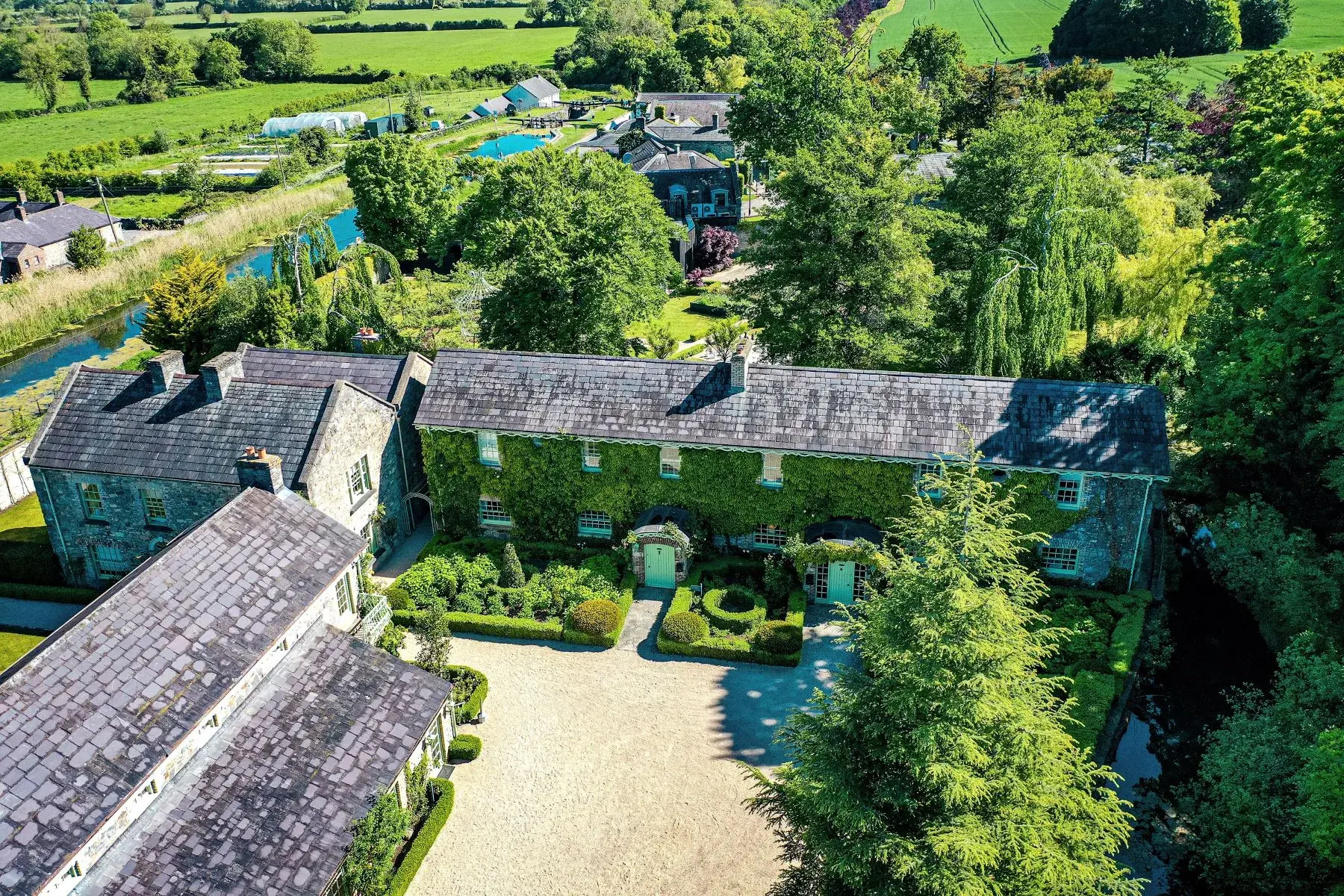
What does that buy you in Ireland? Usually, it’s a massive period manor house, several detached cottages, perhaps a disused pub, and anywhere from 20 to 100 acres of land. In Sydney, $5 million gets you 600 square meters if you’re lucky. You’re trading a backyard for a zip code. In Ireland, you’re trading a mortgage for a legacy.
The real value isn't just in the bricks. It’s in the potential. When you buy a village, you aren't just a resident. You’re a developer, a preservationist, or a tourism mogul. You can renovate the cottages and list them on short-term rental platforms. You can turn the main house into a boutique hotel. You can even create a remote-work hub for tech nomads who are tired of city life. Sydney property is a passive investment that might grow 5% a year. An Irish village is a business engine.
Why the Irish Countryside is Undervalued
People think these villages are cheap because they’re "dying." That’s a massive misconception. Rural Ireland is currently seeing a massive resurgence. High-speed fiber optic internet is reaching deep into the west of Ireland. The National Broadband Plan has poured billions into making sure even the most remote stone cottage can handle a Zoom call without lagging.
The Irish government is also desperate to see these places restored. They offer significant grants for renovating derelict or vacant properties. If you buy a village with several empty buildings, you might be eligible for tens of thousands of euros per rooftop to bring them back to life. This is something Sydney buyers never get. In Australia, the government taxes you for breathing near a property. In Ireland, they might actually help you pay for the roof.
There’s also the matter of the EU. Owning property in Ireland gives you a physical foothold in the European Union. While an Australian passport is great, having a base in a country that’s a gateway to Europe offers lifestyle and business advantages that a mansion in Vaucluse simply cannot match. You’re two hours from London, Paris, and Berlin.
The Realities of Overseas Property Ownership
I won't tell you it’s all Guinness and rainbows. Buying an entire village is a massive undertaking. You’re dealing with historical preservation laws that make Sydney’s Heritage Overlays look like child’s play. If your village includes a protected structure, you can’t just go in and put up drywall. You’ll need specialists. You’ll need lime mortar. You’ll need a lot of patience with the local "planners."
Maintenance is the other beast. A Sydney mansion needs a gardener and a pool guy. An Irish village needs a roofer who understands 19th-century slate, a groundskeeper for the forest, and someone to check the pipes every time the temperature drops below freezing. The "hidden costs" are real. However, even with these expenses, the entry price is so much lower that you’re still ahead.
You also have to consider the social aspect. You aren't just moving into a house; you’re moving into a community. In Sydney, you might not know your neighbor’s last name after ten years. In an Irish village, everyone will know what you had for breakfast by Tuesday. For some, that’s a nightmare. For others, it’s the exact kind of soul-filling connection that’s missing from modern city life.
Comparing the Lifestyle ROI
Think about what your Saturdays look like in Sydney. You’re stuck in traffic on Military Road. You’re fighting for a parking spot at Bondi. You’re paying $25 for a smashed avocado toast that’s mostly bread.
Now, imagine your Saturday in your Irish village. You wake up in a house that was built before Australia was even a colony. You walk out your front door and you own everything the eye can see. You walk down to your own private stretch of river. Maybe you head into the local town where the pace of life is dictated by the weather, not the stock market.
The Return on Investment (ROI) here isn't just about capital gains. It’s about the "Lifestyle ROI." It’s about breathing air that doesn't smell like exhaust. It’s about having the space to think. If you’re a high-net-worth individual in Sydney, you’re likely stressed, overworked, and tied to a desk. Buying a village is an exit strategy. It’s a way to reclaim your time while still holding a massive physical asset.
What You Need to Do Right Now
If you’re seriously considering trading the harbor for the hills, don't just browse real estate sites. You need to understand the legalities. Ireland’s property laws are different. You’ll need a solicitor who specializes in rural estates.
- Check your heritage. If you have an Irish grandparent, you might be eligible for Irish citizenship. This makes the buying process and staying there long-term significantly easier.
- Look beyond the photos. These villages often look stunning in drone shots, but the damp is real. Hire a surveyor who knows how to spot "rising damp" in 200-year-old stone.
- Talk to the locals. Before you drop millions, spend a month in the area. Go to the pubs. Talk to the shopkeepers. Make sure you actually like the vibe before you become the person responsible for the whole place.
- Research the grants. Look into the "Vacant Property Refurbishment Grant" and the "Better Energy Homes Scheme." These can shave hundreds of thousands off your renovation budget.
Stop looking at the same three suburbs in Sydney and start looking at the world map. A mansion is just a house. A village is a whole new life. Use a currency converter, check the listings on Daft.ie or MyHome.ie, and realize that your Sydney equity can buy you a kingdom elsewhere. Get your finances in order, find a reputable buyer's agent in Dublin or Galway, and start scouting. The Irish countryside is waiting. Don't wait until someone else buys your village.