We rely on online ratings to decide where to eat, who to hire, and what to buy. But that system has been quietly rotting from the inside. When anyone can purchase a gleaming row of five-star testimonials for a few bucks, reviews stop reflecting reality and start looking like a paid marketing brochure.
Singapore just proved that regulators are done looking the other way. In a massive crackdown led by the Competition and Consumer Commission of Singapore, dozens of local businesses were caught red-handed buying fake reviews from a digital marketing agency called Reputifly. The fallout wasn't just a slap on the wrist. Forty-five businesses immediately admitted guilt, facing mandatory public apologies splashed across their websites, social channels, and physical storefronts for six solid months.
This isn't merely an advertising scandal. It is a fundamental breaking point for the digital trust economy.
The Industrialization of Fake Social Proof
For years, buying social proof felt like a harmless dark art. If your competitors were padding their stats, staying clean felt like tying one hand behind your back. Shady marketing outfits capitalized on this anxiety by packaging reputation into neat, predictable subscription tiers.
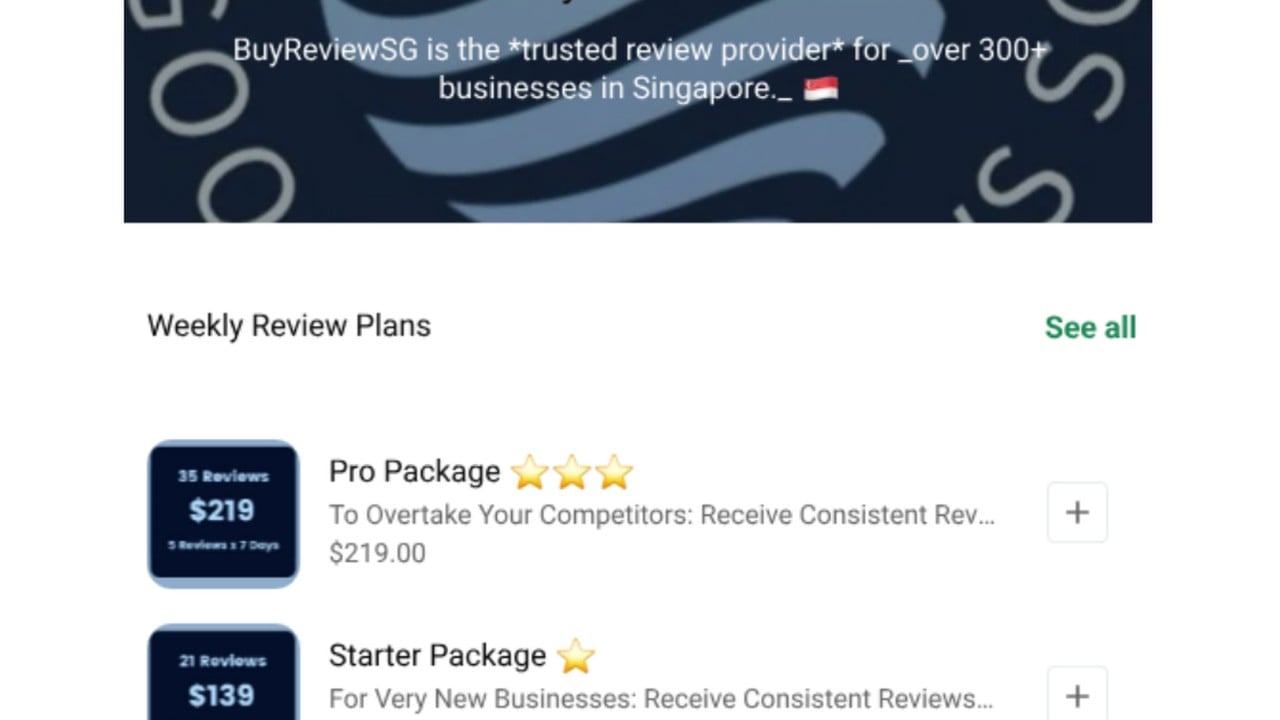
Operations like BuyReviewSG offered packages—such as thirty-five five-star ratings spread out across seven days for roughly S$219—complete with rating calculators to help business owners figure out exactly how many fake reviews they needed to eclipse their rivals.
Generative artificial intelligence supercharged the whole operation. Instead of obviously robotic, broken English spam, agencies used tools to craft nuanced reviews. They wrote about initial hesitations, added hyper-local flavor, and mimicked genuine human flaws to bypass standard platform filters. They even recruited everyday people through Telegram channels, paying them to post from real accounts.
It felt frictionless. Until the investigators walked in and demanded the database.
Why Public Apologies Sting Worse Than Fines
Most business owners budget for fines as a cost of doing business. Regulators in Singapore flipped that script entirely. By forcing companies ranging from medical clinics and aesthetic spas to restaurants and law firms to publish humiliating public apologies for half a year, the penalty targeted the exact asset they tried to buy: reputation.
Imagine walking into a boutique restaurant or booking a consultation with a professional, only to see an official notice admitting they manufactured their online credibility. The brand damage is instantaneous and catastrophic. Customers don't just feel misled; they feel deeply betrayed.
When you outsource your integrity to a third-party vendor, you still own the wreckage when it collapses.
The Broader Fallout for Digital Trust
The crackdown exposes a harsher truth about how modern commerce operates. When fraudulent praise floods platforms like Google or specialized directories, everyone loses.
Consumers waste time wading through manipulated noise. Honest businesses that refuse to cheat watch competitors steal market share simply because they spent money on a digital illusion. Worst of all, widespread cynicism sets in. Eventually, buyers stop trusting online feedback altogether, forcing them to rely exclusively on closed-door word-of-mouth recommendations.
That shift destroys the leveling effect that open review platforms were supposed to provide for small, independent businesses trying to compete with industry giants.
How to Build Reputation Without Cutting Corners
If you run a business, the temptation to juice your metrics during a slow quarter is real. Resist it. Building a resilient brand in an era of intense algorithmic scrutiny requires a completely different playbook.
- Collect feedback organically. Ask your customers for reviews right after delivering a great experience, but never script their answers or tie incentives to a five-star demand.
- Accept occasional criticism. A profile with a clean four-point-two rating and realistic, nuanced feedback converts better than an unnatural wall of unblemished perfection. Perfection looks fake because it is fake.
- Audit your marketing partners. If an SEO or digital agency promises fast, guaranteed spikes in your star ratings or review volume, run away. Ask them to explain their collection methods plainly; if you wouldn't proudly show that process to your customers, it crosses the line.
Shortcuts in reputation management always catch up to you. In a transparent digital marketplace, the only long-term strategy that survives regulatory scrutiny and consumer skepticism is absolute authenticity.
Singapore businesses apologise after consumer watchdog uncovers fake review operation
This video provides an overview of the regulatory enforcement actions and public apologies mandated for businesses caught in the fake review scandal.