Spring cleaning for a yard is often treated as a weekend of light exercise and aesthetic touch-ups. Homeowners descend on big-box stores, buy bags of dyed mulch, and prune everything in sight under the misguided belief that more activity equals a healthier ecosystem. The reality is that most "freshening up" routines actually degrade soil health, kill off essential pollinators, and waste hundreds of dollars on chemical interventions that nature never asked for. To truly revive a yard, you have to stop treating it like an outdoor carpet and start managing it as a living biological engine.
The core of a successful spring recovery lies in timing and soil structure rather than the sheer volume of debris removed. Most people rush out the moment the first bulb peeks through the dirt. This is a mistake. Stepping on wet, thawed soil collapses the delicate air pockets required for root respiration. Before you touch a rake, you need to understand the hidden mechanics of your property. Also making waves recently: How We Got Practical Wisdom Completely Backward.
The Myth of the Early Clean
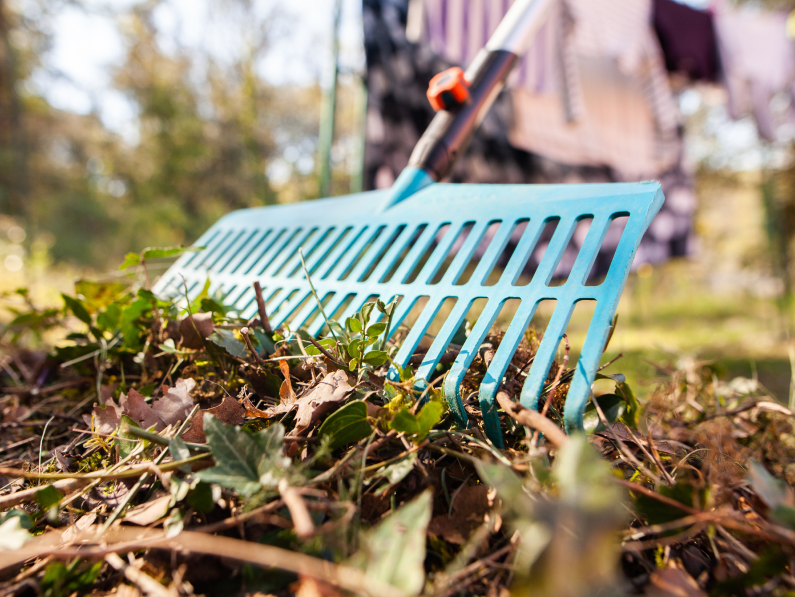
The most damaging habit in modern landscaping is the premature rake. Every year, millions of gardeners clear away leaf litter and dead stalks the moment the temperature hits fifty degrees. In doing so, they are effectively evicting the very insects that provide natural pest control and pollination.
Bees, butterflies, and predatory wasps often overwinter in the hollow stems of perennials or under the insulation of fallen leaves. When you bag that "mess" in March, you are throwing your garden's immune system into the landfill. The rule of thumb for a high-functioning yard is simple: wait until daytime temperatures consistently stay above fifty degrees for at least seven consecutive days. This allows the local biology to wake up and move out before you disturb their habitat. Further insights on this are covered by The Spruce.
Rushing the process does more than just hurt the bugs. It ruins the physical foundation of your lawn. Soil that has just thawed is incredibly vulnerable to compaction. If you walk over it with heavy equipment or even a standard lawnmower before it has drained, you are pressing the life out of it. Compressed soil cannot absorb water, leading to runoff and shallow root systems that will wither the moment the July heat arrives.
Soil Chemistry Over Cosmetic Coverups
Commercial marketing has convinced the public that the solution to a lackluster yard is a three-step chemical program and a fresh layer of red mulch. This is the equivalent of putting heavy makeup on a malnourished person. It looks okay for a week, but the underlying problem persists.
Most yards don't need "fertilizer" in the way the industry defines it. They need organic matter and microbial diversity. Before you buy a single bag of anything, you must conduct a soil test. This isn't just a suggestion; it is the only way to avoid poisoning your groundwater. If your pH is off, no amount of nitrogen will make your grass green because the plant cannot physically uptake the nutrients. You are literally throwing money into the gutter.
The Mulch Trap
Wood mulch is the standard for a "fresh" look, but the way it is applied is often suffocating. The "mulch volcano"—piling wood chips high against the trunk of a tree—is a slow-motion execution. It traps moisture against the bark, inviting rot and wood-boring insects.
Furthermore, dyed mulches are frequently made from recycled construction debris and pallets that may contain lead-based paint or chemical treatments. As these break down, they leach those toxins into your vegetable patches and flower beds. If you want a healthy yard, switch to shredded leaves or high-quality compost. It provides the same weed suppression and moisture retention while actually feeding the soil as it decomposes.
Structural Pruning Versus Aesthetic Hacking
Pruning is a surgical act, yet most homeowners approach it like they are giving the yard a buzz cut. There is a massive difference between thinning for health and shearing for shape.
When you shear a shrub into a perfect ball, you trigger a "flush" of new growth on the outer shell. This thick canopy blocks sunlight and airflow from reaching the center of the plant. The result is a hollow, woody interior that is prone to fungal infections. Professional-grade maintenance requires "heading back" or thinning cuts. By removing specific branches at their point of origin, you allow light to penetrate the core, encouraging a strong structure that can withstand wind and snow loads.
Timing the Cut
If it blooms in the spring, don't touch it in the spring. Plants like azaleas, lilacs, and forsythia have already set their buds for the year. If you prune them now, you are cutting off this year’s show. These should only be addressed immediately after their flowers fade. Conversely, summer-blooming plants like certain hydrangeas or butterfly bushes can be cut back hard in early spring because they grow their flowers on "new wood." Misidentifying your species before you start cutting is the fastest way to ensure a brown, boring summer.
The Grass Obsession
The American obsession with a monoculture lawn is a massive drain on resources and a primary reason why many "freshened" yards look terrible by August. Turfgrass is an exotic crop that requires immense amounts of water and nitrogen to survive in a climate it wasn't built for.
Instead of fighting nature to maintain a golf-green standard, consider a transition to "low-mow" or "no-mow" fescue blends. These varieties grow deeper roots and require significantly less intervention. During your spring cleanup, avoid the urge to scalp the lawn. Setting your mower blade to at least three inches encourages the grass to shade its own roots, which keeps the soil cool and prevents weed seeds from germinating.
Dethatching and Aeration
Most people assume they need to power-rake their lawn every spring to remove "thatch." A little bit of thatch is actually good; it’s a buffer that protects the soil. You only need to remove it if it’s more than half an inch thick. Instead of aggressive raking, focus on core aeration. By pulling small plugs of soil out of the ground, you allow oxygen, water, and nutrients to reach the root zone. It is the single most effective thing you can do for a lawn, yet it is the one step most people skip because it doesn't provide the instant visual gratification of a mown lawn.
Hardscape Integrity and Drainage
A fresh yard isn't just about the plants. It’s about the infrastructure that keeps the property from eroding. Spring is the time to inspect the "bones" of the landscape.
Check your retaining walls for bulging. Frost heaves can move tons of earth, and a small crack in April can become a wall collapse in June. Look at your downspouts. If they are dumping water directly at the base of your foundation or into a flower bed, you are creating a swamp that will drown your plants and potentially rot your house.
Investing in a French drain or a simple dry creek bed can redirect that water to where it’s actually needed. This isn't just about aesthetics; it’s about risk management. A yard that doesn't handle water properly is a liability.
Equipment Hygiene
You wouldn't let a surgeon use a dirty scalpel on you, yet most people use dull, rusted blades on their plants. Dull mower blades don't cut grass; they tear it. These jagged tears leave the plant vulnerable to disease and cause the tips of the grass to turn brown, giving the whole lawn a hazy, tan appearance regardless of how much you water it.
Sharpen your blades. Sanitize your pruners with a quick wipe of isopropyl alcohol between plants. This prevents the spread of pathogens like fire blight or verticillium wilt. Taking twenty minutes to maintain your tools saves twenty hours of trying to revive a diseased garden later in the season.
The Cost of Perfection
The drive for a "perfect" yard is often the very thing that destroys its resilience. When we remove every fallen twig, spray every "weed" (many of which are vital food sources for local wildlife), and demand a neon-green carpet in a drought, we are working against the land.
True mastery of the outdoor space comes from observation. It’s about noticing where the water pools, which plants are struggling in the shade, and where the soil feels like concrete. Fix those systemic issues, and the "freshening up" becomes a natural byproduct rather than a grueling chore. Stop buying quick fixes in plastic jugs and start investing in the long-term health of your dirt.
The most beautiful yards aren't the ones that are groomed the hardest; they are the ones that have been allowed to develop a functional, self-sustaining balance. Step away from the rake and let the soil breathe. Give the insects a few more days to wake up. Sharpen your tools and wait for the earth to dry. Nature isn't on your corporate schedule, and trying to force it will only leave you with a yard that looks good for a week and struggles for a year.