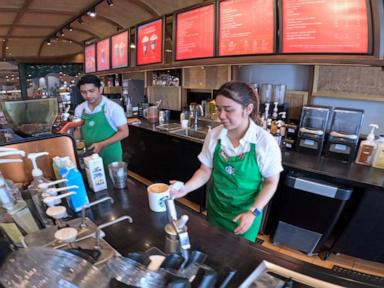
Starbucks is quietly laying the groundwork to pay its baristas to create TikTok videos directly from the cafe floor. It is a desperate bid to recapture cultural relevance. The coffee giant is betting that genuine employee faces can heal its fractured public image and reverse declining foot traffic. But this strategy carries immense operational risk. Turning low-wage retail workers into corporate brand ambassadors is not a simple marketing pivot. It is a high-stakes gamble that could deeply alienate the very workforce Starbucks relies on to keep its drive-thrus moving.
The corporate logic behind the move is simple. Traditional advertising is dying, and consumers trust corporate logos less than ever. They trust people. By incentivizing baristas to film their daily routines, craft complex secret-menu drinks, and share behind-the-scenes moments, Starbucks hopes to flood social media feeds with algorithmic authenticity.
Yet, this plan ignores the grim reality of modern fast-casual labor.
The Friction Between Making Content and Making Coffee
Step behind the counter of any high-volume Starbucks. The environment is not a creative studio. It is a high-stress assembly line governed by digital timers and aggressive throughput metrics.
Baristas are already evaluated on window times—the precise number of seconds it takes to hand a customer an iced latte after they pull up to the speaker box. Introducing a smartphone into this equation creates immediate operational friction.
Consider a hypothetical scenario where a barista stops to set up a tripod, adjust the lighting, and film a three-part assembly of a trending lavender cold brew. While that video might eventually garner half a million views on TikTok, the immediate consequence is a backed-up drive-thru lane, an angry shift supervisor, and a drop in the store's daily efficiency score.
Corporate leadership has not yet explained how a worker can simultaneously meet industrial speed standards while executing high-quality digital content creation. The two goals are fundamentally at odds. One requires rigid, unthinking speed. The other demands pause, curation, and performance.
The Problem of Unequal Compensation
The financial mechanics of this influencer program raise serious labor questions. If a barista creates a viral video that drives millions of dollars in sales for a new seasonal beverage, how are they fairly compensated?
A modest bonus or an extra hourly stipend is a pittance compared to the market rate of professional content creators. Agencies routinely charge tens of thousands of dollars for a single sponsored post with high engagement. By utilizing its internal workforce, Starbucks attempts to bypass these market rates, extracting massive marketing value from employees who remain tethered to an hourly retail wage.
This disparity will inevitably breed resentment. Workers quickly realize when they are being underpaid for specialized skills. If a barista's video blows up, they will likely wonder why they are still scrubbing espresso machines for near-minimum wage instead of signing independent brand deals.
The Ghost of Past Corporate Influencer Failures
Starbucks is not the first retail empire to attempt this transition. Several major corporations have tried to weaponize their frontline staff for social media dominance, often with disastrous or mediocre results.
- Walmart’s Social Leaders: Walmart previously attempted to designate specific store employees as local social media coordinators. The program largely resulted in highly sanitized, awkward videos that failed to compete with organic internet humor.
- Amazon’s Fulfillment Ambassadors: In a more dystopian turn, Amazon deployed warehouse workers on Twitter to defend the company's working conditions. The effort backfired spectacularly, feeling forced, heavily scripted, and deeply unnatural to the average internet user.
The common denominator in these failures is corporate control. True viral content thrives on chaos, raw honesty, and a lack of polish. Corporate legal departments, by their very nature, loathe chaos. They demand brand safety, strict adherence to guidelines, and vetted messaging.
When Starbucks legal teams begin auditing barista TikTok drafts to ensure no unauthorized music is played, or that no competitor logos are visible in the background, the liquid gold of internet authenticity immediately evaporates. What is left is merely a commercial masquerading as a personal vlog. Viewers see through the deception instantly.
The Exploitation of Gen Z Labor Dynamics
The target demographic for this initiative is clear. Starbucks employs an overwhelmingly young workforce, dominated by Gen Z workers who grew up navigating social media algorithms. To corporate executives, this looks like an untapped goldmine of native digital talent.
There is a cynical calculation at play here. Management assumes that because young workers enjoy making content on their personal time, they will happily do it for the company during their shifts. This blurs the boundary between personal identity and corporate property.
Traditional Labor Model:
Time + Physical Effort = Hourly Wage

The New Starbucks Model:
Time + Physical Effort + Personal Likeness + Creative Intellectual Property = Hourly Wage + Small Premium
When an employee puts their face on a corporate-sponsored TikTok account, they surrender control of their digital footprint. Internet fame is volatile. A barista who goes viral today could become the target of intense online harassment tomorrow over a misunderstood comment or a poorly timed joke.
When an independent creator faces a backlash, they have autonomy over how to respond. When a Starbucks barista faces an online mob, the corporate crisis management team will almost certainly prioritize the brand over the individual worker. The employee risks being terminated to protect the company's public relations image, leaving them to deal with the real-world fallout of internet notoriety entirely alone.
Unionization and the Battle for the Counter
This push for digital compliance arrives during an unprecedented era of labor unrest within the coffee chain. Hundreds of Starbucks locations across the United States have voted to unionize under the Starbucks Workers United banner, driven by demands for better pay, predictable scheduling, and safer working conditions.
The introduction of an employee influencer program adds a strange dynamic to this ongoing labor struggle. It allows the company to hand-pick and elevate compliant, cheerful brand ambassadors while sidelining the workers who are vocal about systemic operational flaws.
Will unionized baristas be allowed to participate in this paid TikTok program? Or will the opportunity—and its financial perks—be reserved exclusively for stores that have rejected union organization?
If the program is used as a selective reward system, it becomes a tool for workplace division. It creates a tier system within the breakroom: the favored content creators who get to make videos in front of the camera, and the invisible kitchen staff who are left to grind through the actual physical labor of fulfilling orders.
Authenticity Cannot Be Mandated
The ultimate flaw in the Starbucks strategy is a misunderstanding of how the modern internet functions. You cannot mandate a vibe.
The most successful corporate moments on TikTok occur organically. A customer captures a genuine interaction, or a worker posts a raw, unauthorized rant that resonates because it is unfiltered. The moment a company codifies that behavior into an HR-approved program with a checklist and a supervisor's sign-off, the magic dies.
Customers do not go to Starbucks to watch a corporate-sponsored performance. They go to get a consistent cup of coffee. If the company wants to fix its cultural standing and boost its sales, the solution does not lie in turning baristas into low-budget media production companies. It lies in fixing the foundational issues that plague its stores: staffing shortages, broken equipment, overcomplicated menus, and exhausted workers.
No amount of viral video transitions or trendy audio tracks can mask the smell of a burnt espresso shot or compensate for a twenty-minute wait in a crowded lobby. Starbucks is attempting a cosmetic fix for a structural problem, risking its fragile relationship with its workforce for a few fleeting moments of algorithmic attention.