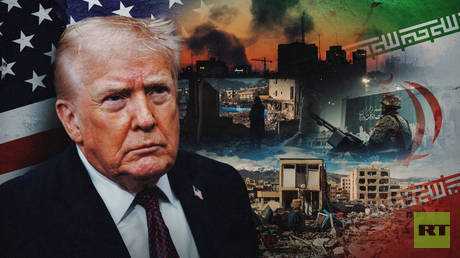
The two-week ceasefire signed between Washington and Tehran is not a peace deal. It is a desperate tactical pause for two exhausted combatants who have spent the last five weeks realizing that their 20th-century doctrines are failing in a 2026 reality. As of today, April 8, 2026, the Strait of Hormuz is technically open, oil prices have plummeted 20%, and the immediate threat of a "Stone Age" bombing campaign has receded. But behind the handshakes in Islamabad, the underlying architecture of this conflict remains untouched and, in some ways, more volatile than before the first missiles flew in February.
This temporary truce, mediated by Pakistan with the quiet backing of Beijing, buys the world fourteen days of breathing room. The core of the arrangement involves Iran allowing safe passage through the world’s most vital oil artery in exchange for a suspension of U.S. and Israeli airstrikes. However, the "Islamabad Accord" is less about diplomacy and more about the logistics of depletion. Both sides have hit a wall that no amount of rhetoric can hide.
The Logistics of Exhaustion
The Trump administration entered this conflict with a strategy of "total victory," betting that a sustained 12-day air campaign would dismantle Iran’s nuclear infrastructure and force a regime collapse. That didn't happen. While U.S. and Israeli strikes successfully buried much of Iran's enrichment capacity under tons of rubble, they also exposed a terrifying vulnerability in Western military readiness.
Analysis of the last month of combat reveals that the U.S. military is burning through precision munitions and interceptors at a rate that is unsustainable for a long-term campaign. The sheer volume of Iranian-made suicide drones and low-cost ballistic missiles has forced the U.S. to use million-dollar interceptors to down thousand-dollar threats. We are witnessing the first major conflict where the "cost-per-kill" ratio favors the besieged rather than the superpower.
Iran, meanwhile, is facing its own internal nightmare. The economy is in freefall, and the 2026 protests have been the most violent in the Islamic Republic's history. The regime is using this ceasefire not to pivot toward Western-style democracy, but to repair its internal security apparatus and replenish its drone stockpiles, many of which are now being bolstered by Chinese YLC-8B anti-stealth radar systems.
The Enigma of the Ten Point Plan
Tehran is coming to the negotiating table with a ten-point plan that would have been laughed out of the room three years ago. They aren't just asking for sanctions relief. They are demanding reparations for the infrastructure destroyed since February and, most controversially, the right to charge transit fees for every vessel passing through the Strait of Hormuz.
This is a fundamental shift in the regional power balance. If the U.S. concedes even a fraction of this "toll booth" demand, it effectively recognizes Iranian sovereignty over international waters that the U.S. Navy has spent eighty years policing.
What Iran wants
- Total Sanctions Removal: Not just the nuclear-related ones, but the primary and secondary sanctions that have crippled their banking sector.
- The Right to Enrich: Iran maintains its "peaceful" right to enrich uranium, despite much of its current stock being entombed in bombed-out bunkers.
- U.S. Withdrawal: A demand for a full military exit from the Middle East, including bases in Qatar and Bahrain.
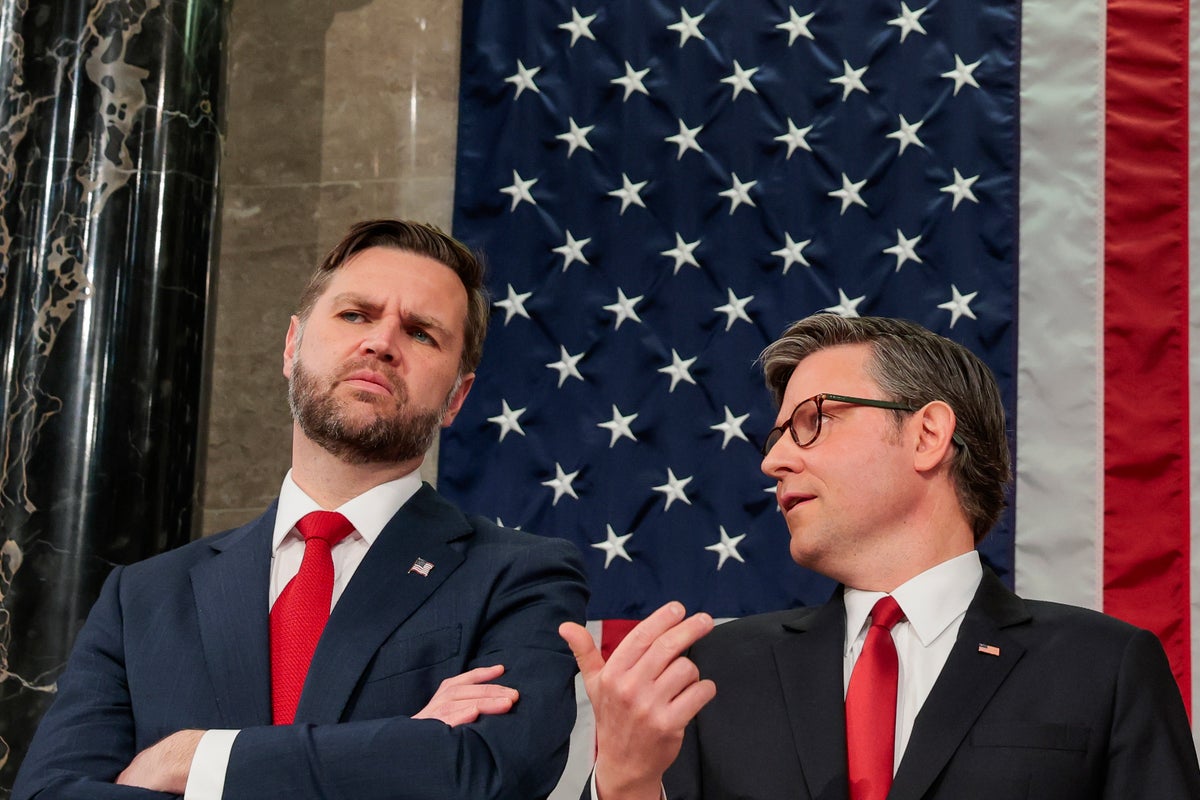
The U.S. counter-proposal, led by Vice President JD Vance and special envoy Steve Witkoff, remains anchored in the "dismantle and verify" school of thought. The White House wants Iran to physically "dig up" its enriched uranium and ship it out of the country under U.S. supervision.
The Nuclear Graveyard
There is a technical reality that the politicians aren't mentioning. Most of Iran's 60% enriched uranium is currently buried under collapsed mountains at sites like Fordow. It is not "gone." It is merely inaccessible.
The American plan to "dig up and remove" this material sounds like a straightforward engineering task. In reality, it would require a massive, boots-on-the-ground international presence inside Iranian military zones. For the hardliners in Tehran, this is a non-starter. For the hawks in Washington, anything less is a surrender.
The irony is that the war has actually accelerated the nuclear question. By attempting to destroy the program from the air, the U.S. has pushed the remaining Iranian scientists into even more secretive, smaller-scale laboratories that are harder to track than the massive industrial complexes of the past.
The China Factor
Perhaps the most overlooked factor in this ceasefire is the "hidden hand" of China. Beijing has spent the last five weeks playing both sides. They have continued to buy Iranian oil at a discount while simultaneously positioning themselves as the only power capable of bringing both parties to a neutral site like Islamabad.
China is the ultimate beneficiary of a long-term US-Iran stalemate. It keeps the U.S. bogged down in the Middle East, depleting its stockpiles and diplomatic capital, while China expands its influence through the "Security and Peace" initiatives it is now promoting across the Gulf. If the Islamabad talks succeed, China will claim credit for saving the global economy. If they fail, the U.S. will bear the blame for the ensuing oil spike.
A Precarious Window
The ceasefire is scheduled to expire in two weeks. On Friday, April 10, the first high-level face-to-face talks will begin in Pakistan.
The markets are celebrating, but the celebratory mood is premature. Israel has already signaled that the ceasefire "does not include Lebanon," and strikes against Hezbollah assets continue even as the ink dries on the Islamabad Accord. This creates a "leakage" problem where a flare-up on the border of Israel and Lebanon could easily drag the U.S. and Iran back into direct kinetic conflict before the two-week window closes.
We are not watching the beginning of peace. We are watching the middle of a strategic recalibration. The world's energy security now depends on whether two governments, both facing intense domestic pressure and possessing mutually exclusive visions for the Middle East, can find a way to agree on the price of a barrel of oil and the definition of a "peaceful" atom.
The deadline is ticking. When the two weeks are up, the U.S. will either have a permanent deal or a regional war that has already proven it cannot be won with cruise missiles alone.