The European Union enters a new legal reality this month as the New Pact on Migration and Asylum officially takes effect. This massive overhaul effectively ends a decade of ad hoc crisis management, replacing it with a standardized, aggressive system designed to deter arrivals, fast-track deportations, and institutionalize border detention. By mandating swift screening and outsourcing accountability, Brussels claims it has finally achieved a balance between solidarity and control.
The reality on the ground is far less harmonious. This policy shift does not solve the migration dilemma; it merely pushes the human and operational costs onto peripheral member states and non-EU neighbors, creating a highly volatile system built on political compromises rather than practical administrative capabilities.
The Architecture of Deterrence
At the core of this overhaul is a legal mechanism known as the fiction of non-entry. Under this concept, migrants who physically cross into EU territory are not legally considered to have entered the bloc while they undergo a mandatory seven-day pre-entry screening. This process includes biometric data collection, health evaluations, and security checks, all recorded directly into the centralized Eurodac database.
+-------------------------------------------------------+
|             IRREGULAR BORDER ARRIVAL                  |
+-------------------------------------------------------+
                           |
                           v
+-------------------------------------------------------+
|       MANDATORY PRE-ENTRY SCREENING (7 DAYS)          |
|    Biometrics, Security, & Identity Checks            |
|       Status: Legal "Fiction of Non-Entry"            |
+-------------------------------------------------------+
                           |
                           v
              Is origin country's asylum
               approval rate below 20%?
              /                        \
            YES                         NO
            /                             \
           v                               v
+-----------------------+       +-----------------------+
| ACCELERATED BORDER    |       | STANDARD ASYLUM       |
| PROCEDURE (12 WEEKS)  |       | TRACK                 |
| Automatic Detention   |       | Territorial Processing|
+-----------------------+       +-----------------------+
           |
           v
+-----------------------+
|  FAST-TRACK RETURN    |
| Mandatory Deportation |
+-----------------------+
For individuals originating from countries with an asylum approval rate below 20%, the path leads straight to an accelerated border procedure. This mechanism requires a definitive asylum ruling within 12 weeks. If the claim is rejected, the individual transitions immediately into a fast-track return procedure.
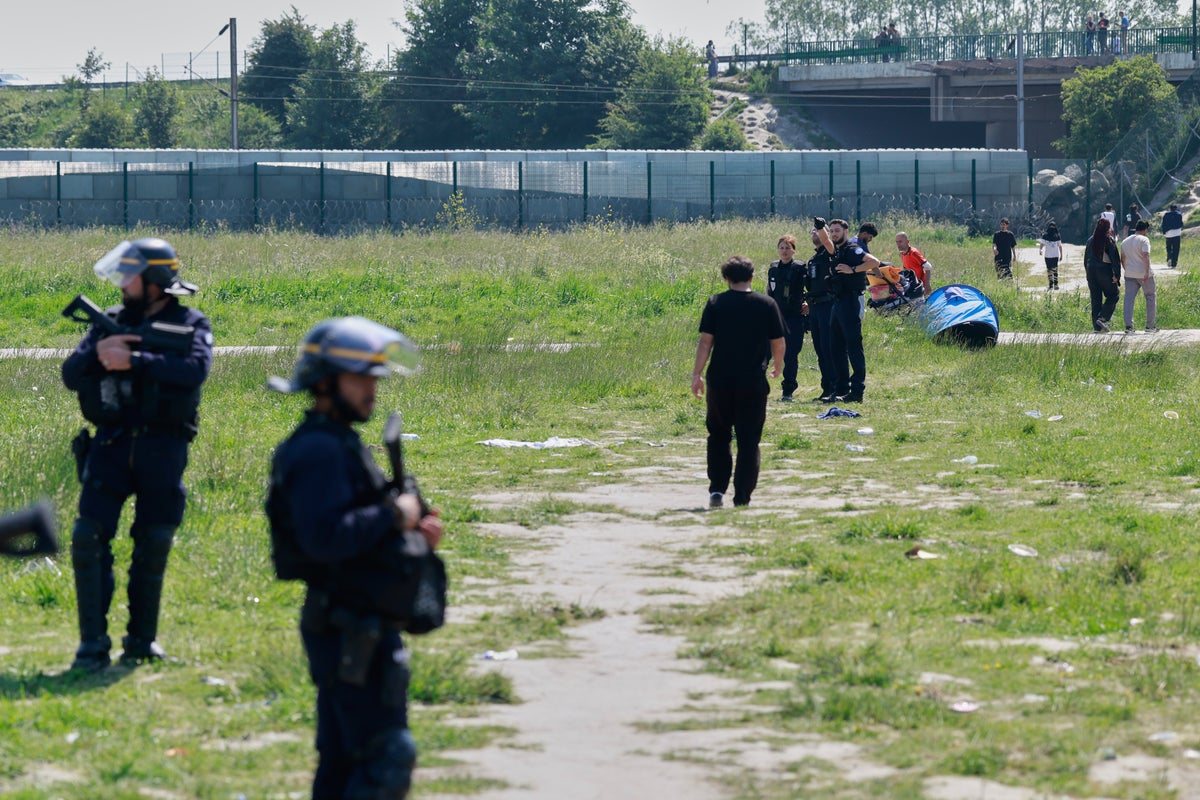
The structural problem here is infrastructure. Processing tens of thousands of individuals within these tight statutory timelines requires a massive expansion of high-security border facilities. Member states on the front lines, particularly Greece, Italy, and Spain, are now forced to rapidly construct what are essentially prison-like transit zones to prevent applicants from moving inland before their applications are cleared.
The Financial Price of Refusing Solidarity
For years, Central and Eastern European nations flatly refused mandatory migrant quotas. The new framework attempts to bypass this ideological roadblock through a concept termed mandatory solidarity.
Under this mechanism, interior ministries are presented with a stark choice. They must either accept a share of relocated asylum seekers or pay a financial penalty of 20,000 Euros for every individual they refuse. This money is then channeled into a central EU fund dedicated to border management and external partnerships.
| Member State Stance | Core Strategy | Operational Implication |
|---|---|---|
| Frontline Nations (e.g., Italy, Greece) | Mandated border screening and immediate detention. | High administrative burden; risk of overcrowded border camps. |
| Dissenting Nations (e.g., Poland, Hungary) | Outright refusal to host; challenging financial penalties. | Political friction with Brussels; potential legal battles over non-compliance. |
| External Partners (e.g., Albania, Tunisia) | Hosting offshore processing and detention sites. | Heavy reliance on EU funding; increased geopolitical leverage over Brussels. |
This financial penalty system exposes the deep fractures within European unity. Poland and Hungary have already signaled deep resistance to these rules, arguing that their historical intake of regional displaced populations should exempt them from penalties. By translating human solidarity into a cash transaction, the EU has codified a dual-track system where wealthier northern states can simply purchase an exemption from the physical realities of global displacement.
Moving the Border Beyond European Soil
The most significant operational shift occurs completely outside the geographic borders of the European Union. Faced with intense domestic political pressure, European leaders are increasingly leaning on externalization, a strategy that offloads migration processing and detention to third-party nations.
Italy's operational deal with Albania serves as the blueprint for this strategy. Under this arrangement, naval vessels intercept migrants in international waters and transport them directly to specialized, Rome-funded processing centers on Albanian soil. The legal gymnastics required to pull this off are extraordinary. While the centers operate under Italian legal jurisdiction, the physical reality is the outsourcing of human confinement to a non-EU state.
This approach introduces severe geopolitical risks. By relying on third countries to manage its border enforcement, Brussels hands immense leverage to authoritarian or unstable foreign governments.
Past agreements with Libya and Tunisia show that these partnerships often come at a terrible cost, including documented human rights abuses and structural corruption. When a third-country government realizes that the political survival of European leaders depends directly on keeping migration numbers low, border control quickly becomes a powerful tool for diplomatic extortion.
The Human Cost of Administrative Speed
The new framework promises efficiency, but this speed often comes at the expense of thorough legal scrutiny. The compressed timelines for border procedures severely restrict an applicant's ability to secure adequate legal representation or gather the complex documentation required to prove a well-founded fear of persecution.
Independent monitoring organizations have consistently raised alarms over the expanded use of detention, particularly for families and minors over the age of 12. While the text of the pact states that detention should be a measure of last resort, the rigid operational timelines make confinement the default administrative choice to prevent individuals from traveling onward.
A hurried bureaucracy inherently increases the risk of returning individuals to territories where they face genuine danger, a direct violation of international law.
An Unstable Foundation
The European Commission has spent months monitoring national legislative adjustments, claiming that the core elements of the new system are now firmly in place. However, the operational readiness across the bloc varies wildly. Minor technical delays in deploying the upgraded Eurodac biometric infrastructure or building out processing hubs could quickly cause the entire system to bottleneck.
The survival of this migration overhaul depends entirely on the flawless performance of its most aggressive components: rapid screening, high-capacity detention, and swift deportations. If external partners refuse to accept return flights, or if frontline states run out of physical holding capacity, the entire strategy collapses.
The EU has built a highly restrictive, legally complex apparatus designed to project control. In doing so, it has created a fragmented system that risks breaking under the weight of the very crises it is supposed to manage.