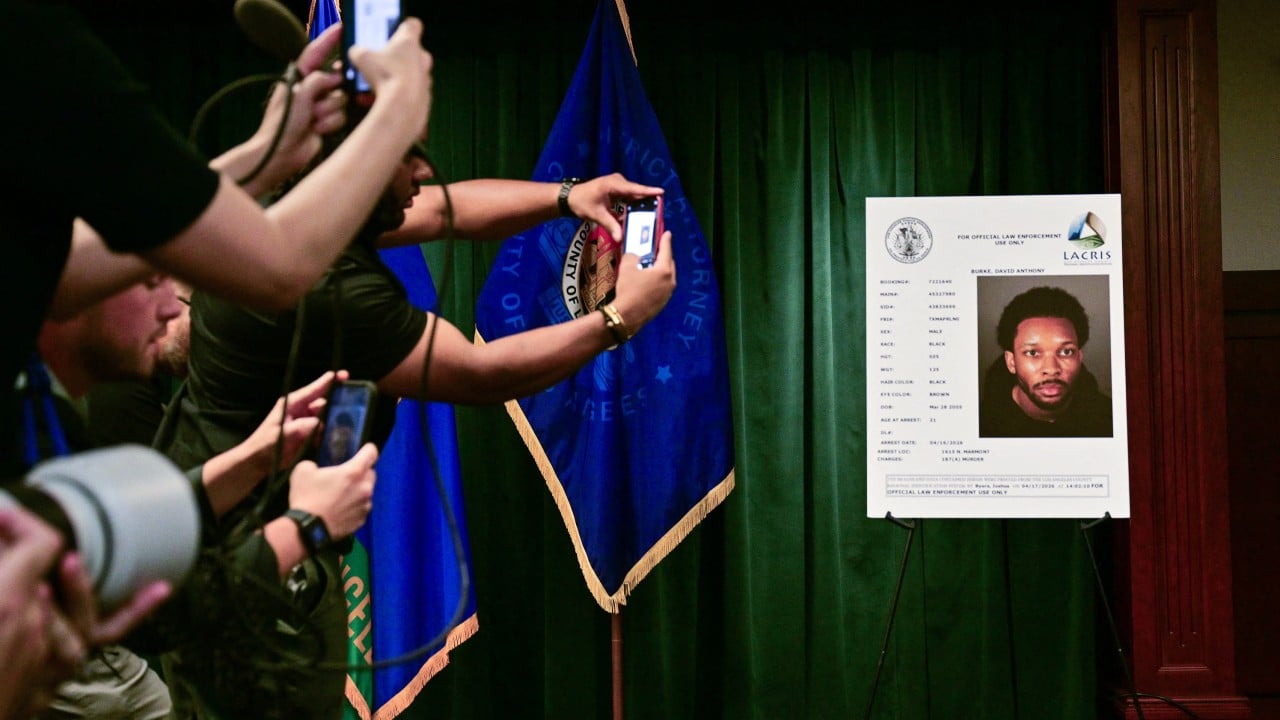
The headlines are impossible to ignore. A rising music star. A missing teenager. A gruesome discovery in the trunk of a luxury car. When prosecutors released the latest filings in the case against David Burke, known globally by his stage name D4vd, the public got more than just legal procedure. They got a harrowing, granular look at an alleged crime that feels ripped from a horror script.
We often put celebrities on a pedestal. We assume their wealth and status protect them from the base, ugly impulses of the rest of the world. But this case dismantles that illusion with chilling precision. The details aren't just disturbing; they are a stark reminder of what can happen when power dynamics, unchecked obsession, and absolute depravity intersect.
A Relationship Built on Silence
At the center of this tragedy is Celeste Rivas Hernandez. She was 14 years old. She was a child when she first met Burke, and she was a child when she died. The court documents describe a pattern of behavior that goes beyond simple grooming. Prosecutors allege Burke met Rivas Hernandez when she was only 11. By the time she was 13, a sexual relationship had reportedly begun.
You have to ask how this happened in plain sight. It didn't happen in the shadows. It happened while Burke was navigating a burgeoning music career, traveling to London, Texas, and Las Vegas. The documents paint a picture of a calculated predator. He wasn't just hiding a relationship; he was actively facilitating it. He allegedly paid a friend to give Rivas Hernandez a phone after her parents confiscated hers. He sent a rideshare to bring her to his home in the Hollywood Hills. This wasn't a mistake or a lapse in judgment. It was a sustained campaign to keep a minor isolated from her family and under his control.
When Rivas Hernandez eventually threatened to expose their relationship—a threat that could have derailed his career and destroyed his life—prosecutors allege Burke decided to silence her permanently. It’s a classic, terrifying motive: self-preservation at the cost of a life.
The Forensic Nightmare
The most stomach-churning parts of the prosecution’s case involve the alleged disposal of the victim's body. These aren't just claims of murder; they are claims of calculated, systematic destruction.
According to the filings, Burke allegedly bought two chainsaws online using a fake name shortly before the crime. The prosecution details how he used these tools in his own garage. They point to an inflatable paddling pool found at his home, which contained linear cuts consistent with the use of a chainsaw. DNA evidence matches the victim, Rivas Hernandez.
Imagine the scene. A suburban garage, an inflatable pool, and a performer who hours earlier was writing songs about love and longing. The juxtaposition is jarring. It forces us to confront the reality that the person behind the art can be entirely disconnected from the persona they project to the world.
The remains were found in the trunk of a Tesla. The car had been abandoned in an upscale Hollywood neighborhood before being towed. When authorities finally searched the vehicle, they found a body in an advanced state of decomposition. The level of degradation was so extreme that medical examiners struggled to identify basic features, like her eye color. The prosecution claims Burke kept the body in the front trunk of his car, likely as he tried to figure out how to dispose of it permanently.
The Defense Strategy and Legal Reality
Burke has pleaded not guilty. His legal team is naturally pushing back, maintaining that he did not cause Rivas Hernandez's death. This is the standard opening move in high-stakes criminal defense. You create doubt. You challenge the timeline. You attack the characterization of the defendant.
But the evidence the state has gathered is overwhelming in its specificity. We’re talking about text messages that trace the relationship, location data that tracks his movement to remote areas in Santa Barbara County, and the forensic confirmation of blood and DNA in his garage. The prosecution isn't just alleging a murder; they are alleging a meticulously planned effort to cover up a heinous crime.
The legal process here will be slow. It will be agonizing for the family of Celeste Rivas Hernandez. But the trial will likely hinge on the intent. Did he plan to kill her from the moment he called that rideshare? Or was it a crime of passion that spiraled into this horrific cleanup? The difference matters for the sentencing, but for the victim’s family, the distinction is meaningless. The result is the same: their daughter is gone.
Why This Case Matters Beyond the Tabloids
It’s easy to dismiss this as another "celebrity true crime" story. It’s easy to click the headline, feel a shiver of disgust, and move on to the next trend on social media. But that’s a mistake. This case highlights a rot that exists in many corners of our culture.
We treat young influencers and artists with a level of adoration that blinds us to their potential for harm. We see the music, the viral hits, and the polished interviews, and we assume we know the person. We don't. We know a product. When that product is built on the exploitation of minors, the consequences can be fatal.
There is also a broader conversation needed about the safety of minors online and the ease with which adults can bypass parental controls. If an adult can pay a friend to give a 14-year-old a secret phone, then current monitoring tools are failing. We rely on technology to keep our kids safe, but technology is only as good as the people who use it. Predators have always existed, but the tools they use today are faster, more discrete, and more effective at hiding their tracks.
The End of the Persona
D4vd is a name that used to mean melodic hooks and chart-topping potential. Now, it is synonymous with one of the most disturbing murder cases in recent memory. The transition from cultural darling to criminal defendant is complete.
Whatever happens in the courtroom, the image of that Tesla, the chainsaw, and the pool in the garage has burned itself into the public consciousness. We aren't just looking at a murder charge. We are looking at the destruction of a 14-year-old girl’s life and the systematic dismantling of a person’s humanity to save a career.
There is no justification for what the state alleges. There is no nuance that makes these acts excusable. As the trial progresses, keep your eyes on the evidence, not the fame. Justice for Celeste Rivas Hernandez demands that we stop looking at the singer and start looking at the crime. The truth is often uglier than the music, and in this case, it’s undeniably horrific.