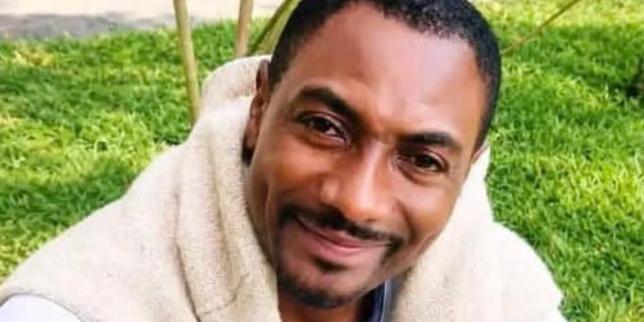
The bloody reality of Nigerian politics struck Kano when social media critic Ibrahim Khalil Dan Shagamu was found slaughtered inside his residence. His throat was slit, his body battered, and his mobile phones vanished. For hundreds of thousands of followers who tuned into his hard-hitting Hausa-language broadcasts on Facebook and TikTok, Dan Shagamu wasn't just another online personality. He was a fearless voice willing to tear into the failures of both state and federal administrations. Now, his murder has sent a chilling message to every digital creator operating in West Africa's largest democracy.
The High Cost of Digital Dissent in Kano
Before he built a massive following as an independent commentator, Dan Shagamu worked behind a microphone for a state-funded radio station. Leaving traditional media gave him unbridled reach. Platforms like TikTok and Facebook allowed him to bypass institutional gatekeepers and speak directly to ordinary citizens frustrated by rising hardship and political corruption.
That influence carries a heavy target. Family members and close associates revealed that Dan Shagamu had recently received direct death threats following heated political disputes. When neighbors finally scaled his fence in the Gaida area of Kumbotso Local Government Area after days of silence, they found a gruesome crime scene.
Human rights groups reacted swiftly. Amnesty International issued a stern condemnation, noting that the critic was overpowered and brutally killed. High-profile figures, including former Kano governor Rabiu Kwankwaso, added their voices to the chorus demanding immediate judicial action. Yet, statements of outrage rarely translate into swift justice on the ground.
Why Election Seasons Turn Lethal for Critics
Nigeria's political cycle routinely operates under a dark cloud of intimidation. As campaigning gears up for the next major ballot, candidates and local powerbrokers frequently rely on hired thugs to silence opposition. These networks exist to intimidate voters, disrupt rallies, and eliminate digital thorns in the side of the establishment.
When political survival depends on controlling the narrative, independent voices online become direct threats. Traditional politicians used to target newspaper editors and radio broadcasters. Today, they face decentralized creators who command massive digital audiences without needing press credentials. Silencing a creator with hundreds of thousands of followers sends an unmistakable warning to others thinking about speaking out.
What Security Agencies and Digital Creators Must Do Now
If you create political content or voice dissenting opinions in high-stakes regions, relying on virtual safety is a fatal mistake. Real-world threats require concrete protective measures.
- Secure Physical Locations: Never take your home address for granted if you criticize powerful political actors. Invest in robust physical perimeter security, surveillance cameras, and reliable alert systems with neighbors.
- Vary Your Routines: Predictable schedules make it easy for bad actors to track movements. Change up transit times, avoid isolated meetings, and travel with trusted peers when covering volatile local stories.
- Demand Institutional Accountability: Civil society groups must maintain immense pressure on the Nigeria Police Force to ensure investigations into Dan Shagamu's murder do not stall out. Impunity breeds repetition.
The silence left in Dan Shagamu's wake speaks volumes. If authorities fail to find and prosecute the perpetrators of this heinous crime, the upcoming election cycle will claim more than just political arguments—it will choke out what remains of independent digital expression in the country.