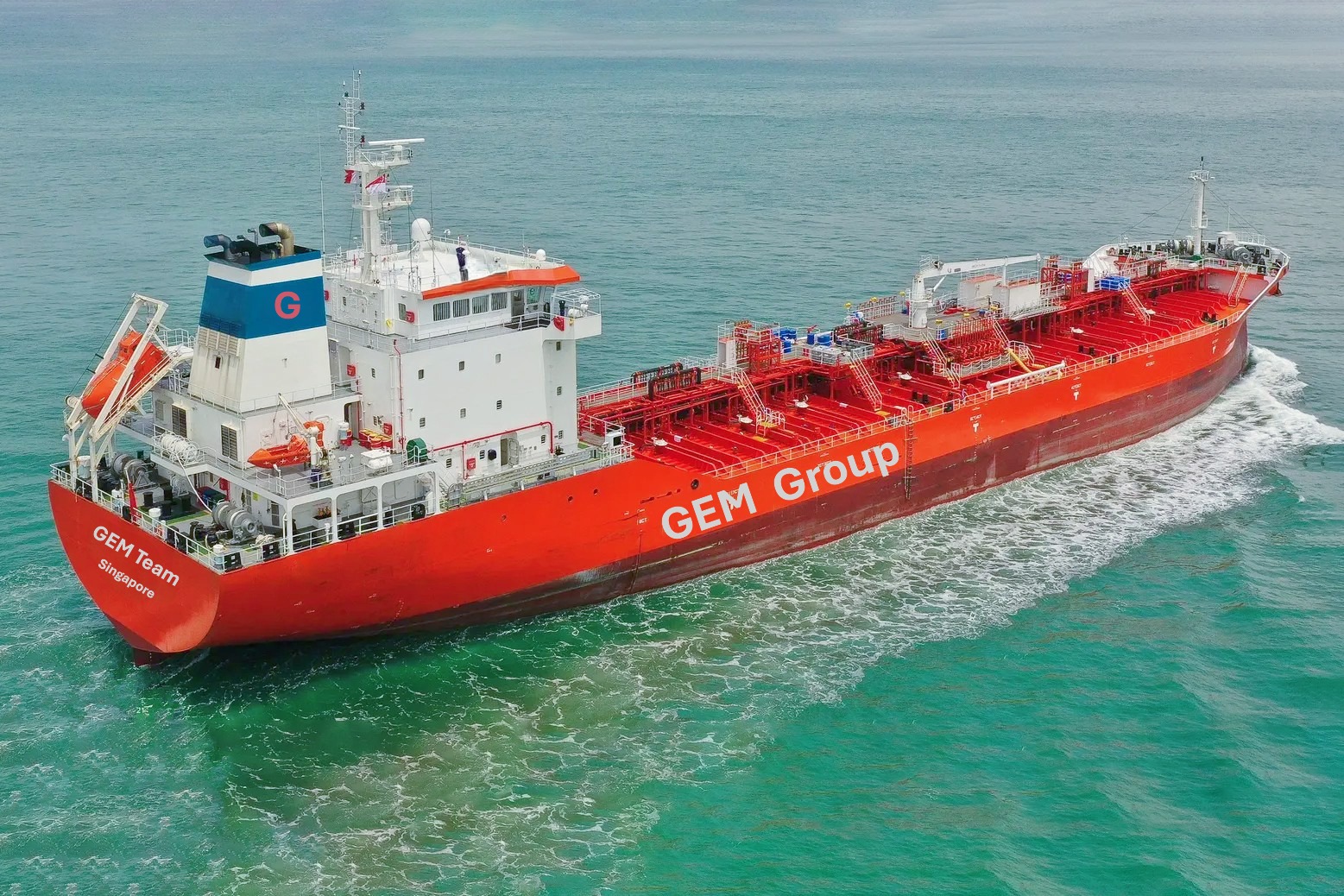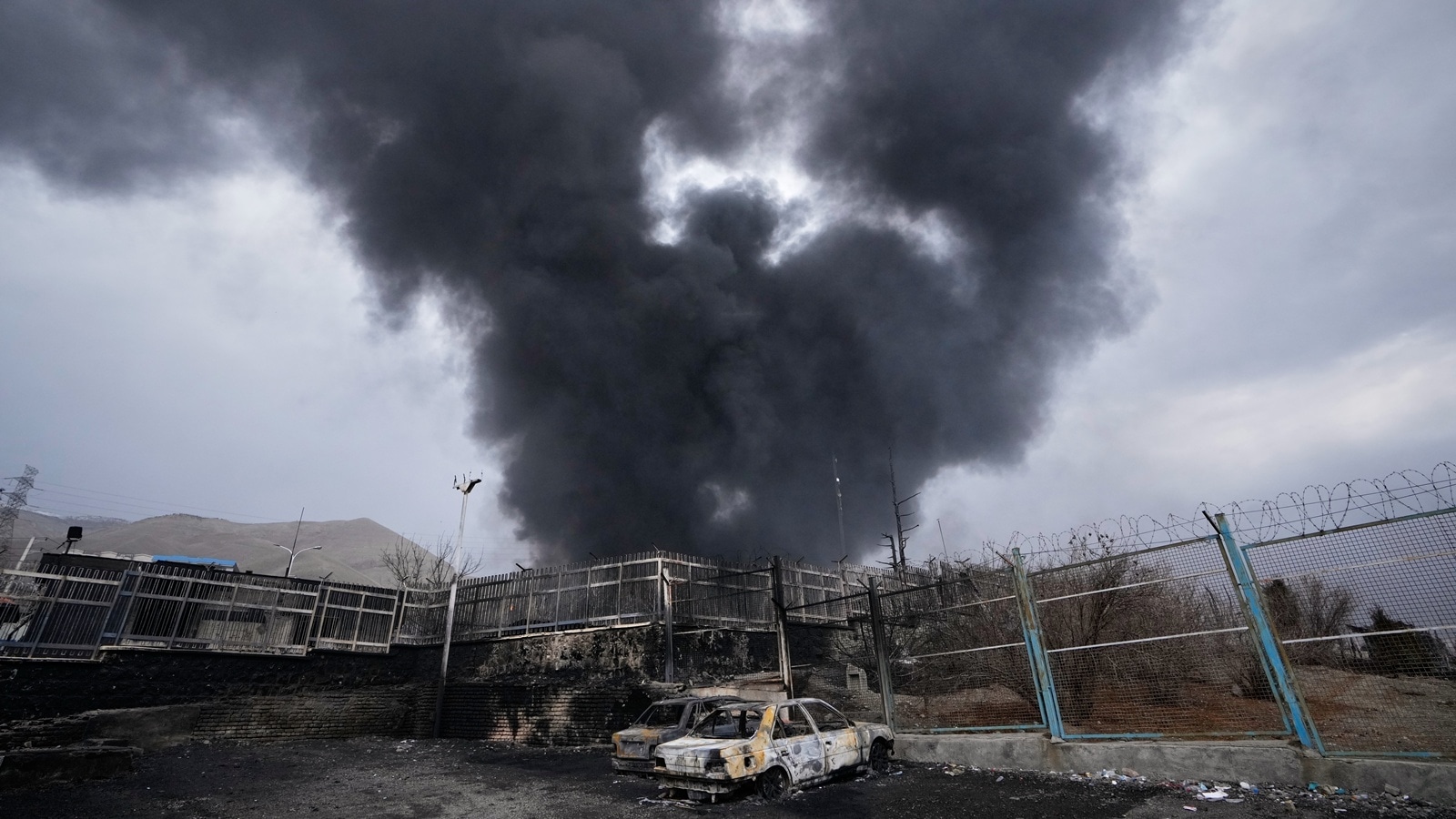
Brent crude has punched through the $100 ceiling following a series of Iranian strikes on commercial shipping in the Gulf region, triggering a desperate 400-million-barrel emergency release from the International Energy Agency (IEA). This is not a temporary blip. While the headlines focus on the smoke rising from tankers, the real story lies in the terrifying fragility of the global supply chain and the fact that the IEA is burning through its primary insurance policy to keep the lights on. The math is simple and devastating: the world consumes roughly 100 million barrels of oil every day, meaning this massive intervention buys the global economy exactly four days of breathing room.
The Strait of Hormuz Standoff
The recent kinetic actions by Iranian forces against maritime traffic in the Gulf have effectively turned the world’s most important chokepoint into a shooting gallery. We are talking about a corridor that handles roughly 20% of the world's total petroleum consumption. When a tanker is hit, the cost of insurance for every other vessel in the region doesn't just rise; it explodes.
Shipowners are now weighing the risks of transit against the astronomical premiums demanded by underwriters. Some are already diverting vessels around the Cape of Good Hope. This adds weeks to delivery times. It ties up physical inventory on the high seas. Most importantly, it creates a "phantom shortage" where the oil exists, but it cannot reach the refineries that need it to produce diesel and jet fuel.
The Iranian strategy here isn't necessarily to start a total war. It is a calculated exercise in economic leverage. By demonstrating an ability to interrupt the flow of energy at will, Tehran is making the cost of doing business in the Gulf too high for the Western world to ignore. This isn't just about regional politics; it is about the physical reality of how we move energy from Point A to Point B in a world that has no easy alternatives to crude.
The IEA 400 Million Barrel Gamble
The decision to release 400 million barrels of oil from the IEA's emergency reserves is a massive, unprecedented bet. It is the single largest release in the agency's history, nearly double the size of past interventions. The goal is simple: flood the market with paper and physical crude to suppress the price before the global economy grinds to a halt under the weight of triple-digit fuel costs.
This is a move born of pure desperation.
For years, the IEA has maintained these reserves as a last-resort safety net against catastrophic disruptions like natural disasters or total war. By tapping into them now, the agency is admitting that the current market dynamics are already broken. The risk is that if the Gulf crisis lasts longer than 60 days, the world will have significantly less ammo for the next emergency.
Why the Release Might Fail
There are several reasons why this 400-million-barrel flood might not have the cooling effect the IEA wants. First, the infrastructure to move that much oil out of storage and into refineries isn't instantaneous. We are talking about pipelines, tanker trucks, and rail cars that are already running at near-capacity in many parts of the world.
Second, the market knows this is a finite resource. Traders are looking at the depletion of the Strategic Petroleum Reserve (SPR) in the United States and similar stockpiles in Europe and Japan. They see a shrinking safety net. This leads to a perverse outcome where the announcement of a release causes a temporary price dip, followed by a surge as speculative buyers bet on the inevitable need to refill those same reserves later this year.
The Refined Products Trap
Even if the IEA manages to physically get the 400 million barrels of crude into the market, we have a massive refining bottleneck. Crude oil is useless if you can't turn it into gasoline, diesel, and heating oil. The world's refining capacity has been shrinking for a decade. Dozens of plants have been shuttered or converted to "green" fuels, leaving the global energy system without the capacity to process a sudden surge in supply.
We are currently seeing a disconnect where crude prices might drop slightly on news of the IEA release, but the price of diesel at the pump stays high or even increases. This is because the refineries are already running flat out. They can't process any more oil, regardless of how much the IEA dumps into the system. This "refinery margin" is the invisible tax that the public is only just beginning to feel.
The Invisible Infrastructure of Maritime Risk
The maritime insurance market is the true arbiter of global energy prices. When Iran strikes a ship, the immediate physical damage is often secondary to the paper damage done to the global shipping fleet's risk profile. Most tankers are insured through P&I Clubs (Protection and Indemnity). These are mutual insurance associations that provide cover for almost 90% of the world's ocean-going tonnage.
When a high-risk zone is declared, war-risk premiums are added on top of the standard hull and machinery insurance. These premiums are not static. They can change by the hour based on the latest intelligence or satellite imagery. During the current crisis, we've seen these premiums jump from a few thousand dollars per transit to hundreds of thousands.
For a VLCC (Very Large Crude Carrier) carrying two million barrels of oil, a massive spike in insurance costs can add $2 or $3 to the cost of every barrel before it even reaches a refinery. This isn't speculation. This is a cold, hard cost of doing business. The IEA's 400 million barrels do nothing to address this. They provide the oil, but they don't provide the security.
The Ripple Effect Across the Global Economy
High energy prices are the ultimate tax on productivity. When Brent stays above $100, the cost of everything from bread to microchips goes up. The transport sector is the first to feel the pain, but the secondary effects are what truly hollow out an economy.
Agricultural production is a prime example. Most fertilizers are produced using natural gas, which often tracks the price of oil. The machinery used to plant and harvest crops runs on diesel. The trucks that take those crops to market run on diesel. By the time a loaf of bread hits the grocery store shelf, it has been touched by the price of oil half a dozen times.
Central banks are watching this with growing dread. They are already struggling to contain inflation, and a sustained $100+ oil price makes their job nearly impossible. If they raise interest rates to cool the economy, they risk triggering a deep recession. If they don't, inflation becomes entrenched. The IEA is essentially trying to give these central banks a "get out of jail free" card, but it is a card with a very short expiration date.
The Geopolitical Fallout of a Shrinking Reserve
When the IEA draws down 400 million barrels, it is sending a signal of weakness to oil-producing nations, particularly those in the OPEC+ alliance. For countries like Saudi Arabia and Russia, the IEA release is a direct challenge to their market power.
Historically, OPEC has responded to such releases by cutting their own production to keep prices high. They argue that the market is oversupplied and that the IEA is distorting reality. This sets up a dangerous game of chicken between Western consuming nations and Eastern producing nations.
Russia, in particular, benefits from this chaos. Every dollar added to the price of a barrel of oil helps fund their ongoing military operations and offsets the impact of Western sanctions. By creating instability in the Gulf through its proxies or diplomatic influence, Moscow can keep the global energy market in a state of permanent anxiety. The IEA's move to deplete its reserves is music to their ears, as it leaves the West more vulnerable to a future supply shock during the winter months.
The Limits of the Petroleum Reserve System
The current crisis highlights a fundamental flaw in how the West thinks about energy security. We have built our safety net on the assumption of short-term disruptions—a hurricane in the Gulf of Mexico or a brief labor strike in a producing country. We are not prepared for a sustained, multi-month conflict that shuts down a major global chokepoint.
The IEA's 400-million-barrel release is a "break glass in case of emergency" move. But what happens if the glass is broken and the emergency doesn't stop?
The reserves take years to refill. After the massive releases of 2022, the United States struggled for over a year to buy back just a fraction of the oil it sold. It had to wait for price dips that never seemed deep enough. Now, with prices back over $100, the prospect of refilling these reserves is even more remote. We are effectively liquidating our strategic assets to subsidize current consumption, leaving future generations to face the next crisis with an empty pantry.
The New Reality of Energy Transit
The days of assuming that the high seas are a neutral, safe space for the movement of energy are over. The Iranian strikes in the Gulf have proven that a relatively small, motivated actor can hold the entire global economy hostage with a few drones and fast boats.
This will lead to a long-term shift in how energy is moved. We will see the rise of more overland pipelines, even if they are more expensive to build and maintain. We will see a renewed focus on domestic production in Europe and North America, not for environmental reasons, but for national security.
Most importantly, we will see the end of the "just-in-time" energy model. Refineries and power plants will be forced to hold much larger on-site inventories, which will tie up capital and lead to permanently higher baseline prices for consumers. The 400 million barrels from the IEA are a temporary bridge to a much more expensive future.
The Role of Private Stockpiles
While the public eye is on the IEA and national governments, the behavior of private oil companies is changing. They are no longer incentivized to keep large surpluses. Under pressure from shareholders to return cash through buybacks and dividends, these companies have kept their inventories lean.
This lack of private storage "buffer" means that every small disruption in the Gulf or elsewhere has an outsized impact on the spot price of Brent. The IEA is essentially being forced to act as the world’s commercial storage facility, a role it was never intended to play. This shifting of responsibility from the private sector to the public sector is a silent socialization of risk that will eventually have to be paid for by taxpayers.
The End of Cheap Energy Security
The IEA's massive release is an admission that the global energy system is currently incapable of handling a major geopolitical shock without government intervention. The 400 million barrels represent a gamble that the situation in the Gulf will stabilize within the next few months.
If it doesn't, we are looking at a scenario where the world's energy insurance is gone, and the fire is still burning. We have spent decades building a global economy that depends on $60 to $80 oil. At $100 and rising, the foundations of that economy begin to crack. The IEA is not "combating a spike"; they are desperately trying to delay a structural collapse.
The next move is not up to the IEA or the Western governments. It is up to the maritime insurers and the naval forces in the Gulf. Until the physical safety of tankers can be guaranteed, no amount of released oil will truly calm the markets. The $100 barrel is here to stay as long as the world's energy arteries remain under threat.
Audit your energy exposure now. If your business or household budget assumes a return to "normal" prices in the next 90 days, you are ignoring the physical reality of the depleted reserves and the ongoing risk in the Strait of Hormuz.