The Democratic Party did not quietly pivot away from social identity politics in the 2026 midterm cycle. They abandoned it under live fire. Across swing districts in Pennsylvania, Georgia, and Michigan, party strategists stripped culture-war vocabulary from their campaign playbooks, replacing activist jargon with relentless, single-minded framing on household costs, grocery bills, and healthcare access.
For nearly a decade, conservative strategists used progressive social rhetoric as a weapon. They turned terms like diversity initiatives and gender identity policy into reliable voter-mobilization tools across the American Sunbelt and Rust Belt. But when the 2026 campaign season peaked, the trap failed to spring. Democrats refused to take the bait. Instead of mounting defensive arguments on academic terminology, Democratic candidates ignored the cultural provocations entirely, forcing campaigns back onto tangible economic ground.
This shift was not an organic evolution of values. It was a cold, calculated survival strategy executed by a party apparatus that realized its messaging had alienated the working-class core of its voting base.
The Calculus of Silence
Inside campaign war rooms throughout early 2026, internal polling painted a grim picture. Focus groups in suburban bellwethers revealed that swing voters did not view identity-focused campaign messaging as inclusive. They viewed it as out-of-touch academic posturing from a party more invested in semantic purity than utility bills.
Democratic donors and political action committees diverted funds toward candidate training that explicitly emphasized economic discipline. Campaign operatives were instructed to pivot every cultural question back to kitchen-table realities. If a reporter asked a candidate about corporate diversity programs, the mandated response bypassed the cultural debate to address regional job creation or local hospital closures.
+-------------------------------------------------------------------+
|               THE DEMOCRATIC MESSAGING PIVOT (2026)                |
+-------------------------------------------------------------------+
| PREVIOUS FOCUS (2020-2024)        | 2026 MIDTERM STRATEGY         |
+-----------------------------------+-------------------------------+
| Identity & Representation         | Kitchen-Table Economics       |
| Academic Social Jargon            | Healthcare Access & Costs     |
| Defensive Cultural Arguments      | Disciplined Cultural Silence  |
+-------------------------------------------------------------------+
The strategy required absolute message discipline. Candidates who leaned into activist rhetoric found themselves starved of national committee funding, while pragmatists running on bread-and-butter economic platforms received heavy backing.
How the Culture War Lost Its Leverage
Republicans spent millions on ad buys designed to keep cultural friction at the center of the midterm conversation. Attack ads highlighted historical quotes and past legislative sponsorships, attempting to anchor Democratic challengers to the most controversial positions of the preceding decade.
The attack ads lost their potency through repetition and a lack of fresh counter-punches. When one party stops participating in a culture war, the debate rapidly devolves into a monologue that struggles to hold the attention of undecided voters.
Economic anxiety swallowed the news cycle. Inflation, high interest rates, and housing affordability dominated voter priorities. A voter watching their monthly mortgage payment calculation double does not prioritize legislative debates over university curriculums. By anchoring their message to concrete financial pressures, Democrats made opposition culture-war messaging appear superficial and detached from everyday struggles.
The Fractured Progressive Coalition
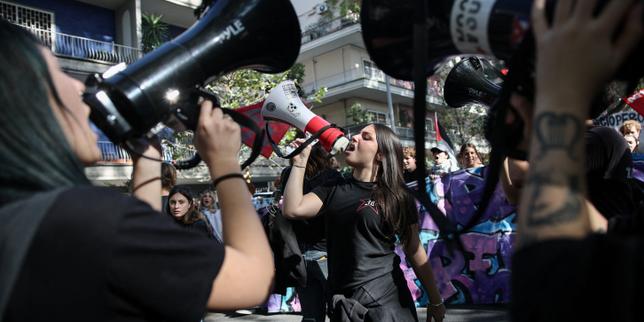
This strategic retreat created severe internal fractures. Progressive activists and civil rights groups openly accused party leadership of selling out vulnerable communities to win suburban districts.
"A party that surrenders its moral vocabulary to win a temporary legislative majority risks losing the very soul of its movement."
The tension exposed an uncomfortable truth about coalition politics: economic populist messaging wins broader elections, but identity-focused advocacy drives grassroots activist energy and small-dollar volunteer networks. By muting social policy, party leaders bought middle-of-the-road voters at the expense of enthusiasm among their most dedicated field workers.
Younger voters in urban centers registered their dissatisfaction through lower primary turnouts. While party managers celebrated polling gains among suburban independents, they quietly worried about a long-term erosion of youth engagement.
The Blueprint for Post-Ideological Campaigning
The 2026 campaign proved that political parties can forcibly alter their messaging architecture when facing electoral extinction. Democrats demonstrated that ignoring an opponent's cultural trap is far more effective than trying to explain or defend complex social theories on a thirty-second commercial slot.
Yet this strategic silence carries long-term risk. Muting social issues during an election cycle does not resolve the deep cultural divisions within the electorate. It merely pauses the argument while candidates scramble for power. The Democratic leadership managed to navigate the midterms by treating social rhetoric as an operational liability, but governing requires making concrete policy choices that no amount of disciplined messaging can obscure.